
High voltage switchgear systems are the workhorse of the electrical power industry, and as such, precision engineering is coupled with operational excellence. These are the most important elements that power transmission systems that supply reliable electricity between the generation plants and the final consumers. Not only is the art of reliability in power systems a technical matter, but it is also a complicated matter.
High voltage switchgear installations are not equipment assemblies. They represent several decades of engineering development, including sophisticated protection measures, smart monitoring systems, and backup systems that ensure the functioning of our modern world. The fundamental cause of this success of operation and grid stability of this current dynamic energy world is directly associated with the general understanding of these systems by the people
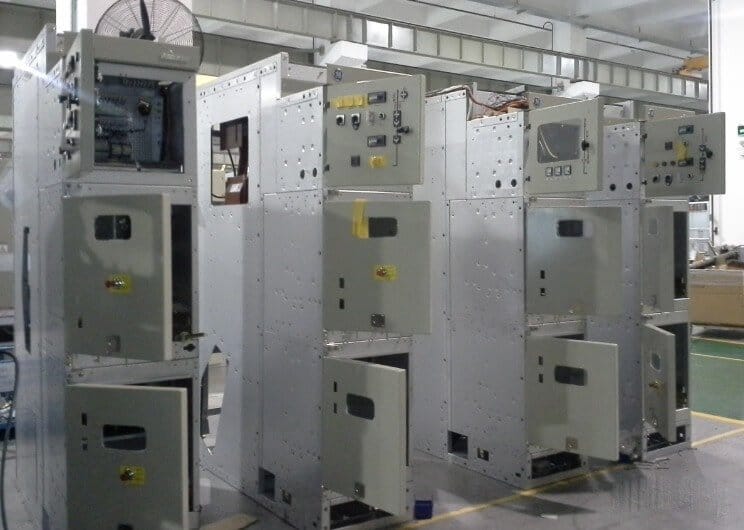
The Evolution of High Voltage Switchgear Technology
Modern electrical switchgear has undergone an incredible metamorphosis since the primitive oil-filled circuit breakers and mechanical protection relays were first used. Modern installations are fitted with advanced digital protection systems, advanced communication protocols, eco-friendly insulation systems that would barely have been a possibility only 20 years ago.
The removal of the traditional air insulated switchgear and the various gas insulated equipment has altered the shape of space availability in substations. Where the old system required large outdoor lawns, the new small-scaling designs enable the utilities to invest heavily in their systems, but with little effect on the environment. This has been of particular benefit in urban locations where land is limited forcing new engineering practices.
Gas-insulated switchgear or GIS has become the technology of choice in the above-72.5 kV voltage range. These systems use sulfur hexafluoride (SF6), which is both an arc-quenching agent and an insulation medium, and offer excellent performance in tight enclosure packages. The hermetically sealed structure does not cause weather-related outages and it reduces the maintenance requirements as compared with the alternative variants.
Key Components Driving Modern Switchgear Performance
High voltage switchgear breakers represent the most critical elements within any switchgear assembly. These complex devices should also be able to reliably interrupt fault currents up to 63 kA and still provide perfect isolation in normal operation. The engineering tasks required to reach these performance levels require a close familiarity with arc physics, contact materials, and mechanisms of operation.
The use of vacuum interrupters has transformed medium voltage applications and is far more reliable with higher maintenance intervals. Such devices take advantage of the excellent dielectric performance of vacuum to provide dependable current break with little contact erosion. The result? Switchgear applications that provide decades of reliable operation with minimum maintenance.
Protection and control systems based on modern technologies are fully integrable with electrical switchgear installations, which offer full monitoring and automated response. Digital relays constantly measure the state of the system and, based on the measurements, predictive maintenance plans can be implemented to avoid expensive unplanned outages. This is a fundamental integration of reactive to proactive system management.
Critical Selection Criteria for Utility Applications
To choose the suitable switchgear with high voltage, it is necessary to thoroughly analyze numerous technical and operating parameters. The voltage levels of a system, the magnitude of fault currents, the environmental conditions, and operational needs all have an impact on the best solution to any given application.
There are two specification parameters that are commonly used on the basic impulse level (BIL) and rated voltage. These values should be able to support not just the normal operating voltages, but also temporary overvoltages caused by switching activity and lightning strikes. In conservative engineering, there must be sufficient safety margins to maintain certain levels of reliable performance in all the foreseeable circumstances.
The capability of the switchgear to interrupt fault conditions safely is defined by short-circuit current ratings. Such ratings should reflect maximum fault levels in the entire planned system operational life, taking into account future system expansion and interconnection opportunities. Ineffective fault current capacity can result in catastrophic equipment failures whose consequences, both in safety and economic terms, are dismal.
Environmental Considerations and Standards Compliance
Special challenges of electrical switchgear installations to the East African operating conditions are presented. Both high surrounding temperatures and changes in humidity and ingress of dust affect equipment performance and life. These environmental factors should be properly specified to allow reliable operation during the design life of the equipment.
Other global standards like the IEC 62271 series give specific guidelines on how to design, test and use the switchgear. The standards are not only promising it to be globally compatible in the supply chain, but it is also promising them the best standards in safety and performance. It is increasingly being required that international standards are met by all new installations by regional utilities.
Seismic considerations have since become eminent in the wake of the natural disaster vulnerability of infrastructures revealed in the past. Seismic qualification testing of modern switchgear is designed in such a way that the integrity of the structure and continuity of operation are preserved during the seismic event. This is a vital capability needed to maintain grid stability in case of an emergency situation.
Installation and Commissioning Excellence
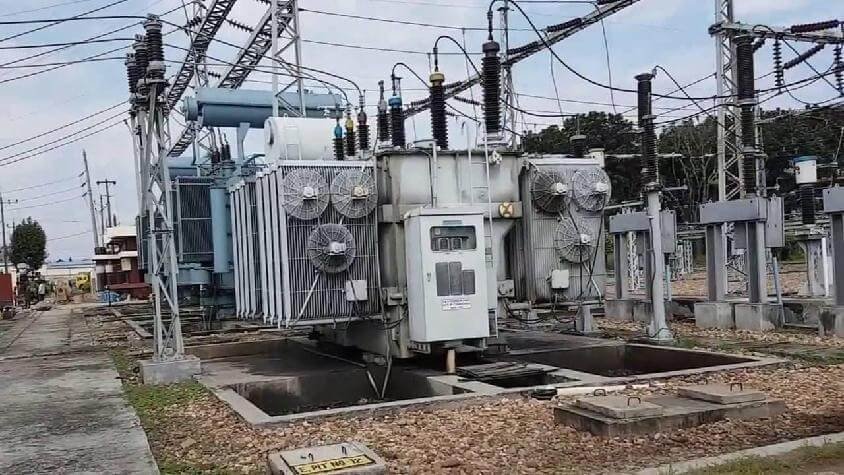
Correct installation practices have direct effects on both performance and reliability of switchgear over its operational life. The methods of foundation design, cable termination and auxiliary system integration all demand extreme attention to detail in the construction stage.
Specifications of foundations should be able to meet requirements of both constant loads on equipment and dynamic loads which occur during switching. Poor foundation design may cause the development of mechanical stress concentrations that weaken the integrity of equipment with time. Professional installing teams are aware of such requirements and introduce proper solutions in the projects since the beginning.
One of the most important parameters of long-term system reliability is cable termination quality. Very high voltage connections require special methods and materials in order to provide sufficient electrical and mechanical performance over the entire range of operating conditions. Misuse of termination is always one of the major causes of switchgear failure when used in utility.
Testing and Validation Procedures
Proper installation and system integration are tested in detail before the energization. These include dielectric checks, protection system functionality tests and mechanical operation tests. Systematic testing methodology reduces the commissioning risks and provides baseline performance information to be used in subsequent maintenance purposes.
Primary injection testing is a test of a protection system to realistic fault conditions. This type of testing methodology will provide appropriate coordination between the protection devices as well as verification of sufficient fault current distribution within the switchgear assembly. Such validation plays a critical role in facilitating system selectivity during a fault.
Thermal imaging surveys detect possible connection issues prior to them becoming severe failures. These diagnostic methods do not involve any invasive procedure and therefore, help to detect emerging hot spots that rely on connection degradation or insufficient contact pressure. Periodical thermal inspections are a part and parcel of the overall maintenance program.
Advanced Protection and Control Integration
Proper installation and system integration are tested in detail before the energization. These include dielectric checks, protection system functionality tests and mechanical operation tests. Systematic testing methodology reduces the commissioning risks and provides baseline performance information to be used in subsequent maintenance purposes.
Primary injection testing is a test of a protection system to realistic fault conditions. This type of testing methodology will provide appropriate coordination between the protection devices as well as verification of sufficient fault current distribution within the switchgear assembly. Such validation plays a critical role in facilitating system selectivity during a fault.
Thermal imaging surveys detect possible connection issues prior to them becoming severe failures. These diagnostic methods do not involve any invasive procedure and therefore, help to detect emerging hot spots that relay on connection degradation or insufficient contact pressure. Periodical thermal inspections are a part and parcel of the overall maintenance program.
Predictive Maintenance Technologies
Condition monitoring systems provide a continuous evaluation of switchgear health via a number of measurement parameters. Partial discharge monitoring ensures that one can detect a problem with insulation before it deteriorates into a full failure. Gas density checking assures the required amount of SF6 in gas-insulated systems, and warns operators against the possibility of leakage.
Monitoring of vibration of the operating mechanism is to give early warning of mechanical difficulties that may lead to failure of opening or closing. Such systems identify which frequency spectrums to monitor in order to identify a specific component degradation pattern, and therefore, targeted maintenance is performed to eliminate expensive forced outages.
Data analytics applications crunch large volumes of monitoring data to detect trends and project equipment maintenance needs. The machine learning systems are actively becoming increasingly predictive using historical data about the performance and therefore increasingly accurate in the performance that is planned with respect to the effectiveness that is implemented in relation to the resources used and the efficiency that is already implemented in relation to the resources used
Economic Considerations and Lifecycle Management
Electrical switchgear manufacturers provide different models of ownership which determine the initial capital outlay as well as the cost incurred over a long period of operation. Conventional procurement solutions offer high initial investment and full ownership and control of the assets. Other models such as leasing agreements can prove beneficial to utilities that have a small capital budget.
The lifecycle cost analysis takes into account not only the purchase prices but also installation costs, maintenance costs and end-life disposal costs. Such a holistic approach usually shows that more expensive equipment with better reliability properties can be more economical in the long term.
The availability of spare parts and the ability to obtain supplier support are two factors that have a remarkable influence on long-term operational costs. Electrical switchgear vendors who have gained regional presence offer better services than those vendors who are based in remote areas. Local support capabilities are especially important when carrying out emergency restoration.
Future Technology Trends
Switchgear technology is changing with the introduction of Internet of Things (IoT) sensors and artificial intelligence capabilities into digital transformation initiatives. These technologies provide a level of understanding of equipment state and operation that has never existed before and supports sophisticated grid administration applications.
The environmental factor is still pushing technology development in a more sustainable direction. Vacuum technology and clean air systems are a few of the SF6 alternatives that are being accepted into the market in specific applications. This can be created to meet the increasing environmental requirements without interfering with the performance standard required by the current power systems.
Integration of smart grids is becoming a norm in new installations of switchgear. These functions underpin further grid management applications such as reconfiguring in response to demand and load balancing, and the integration of renewable energy. This is an important functionality as power systems are getting more and more distributed and smarter.
Conclusion
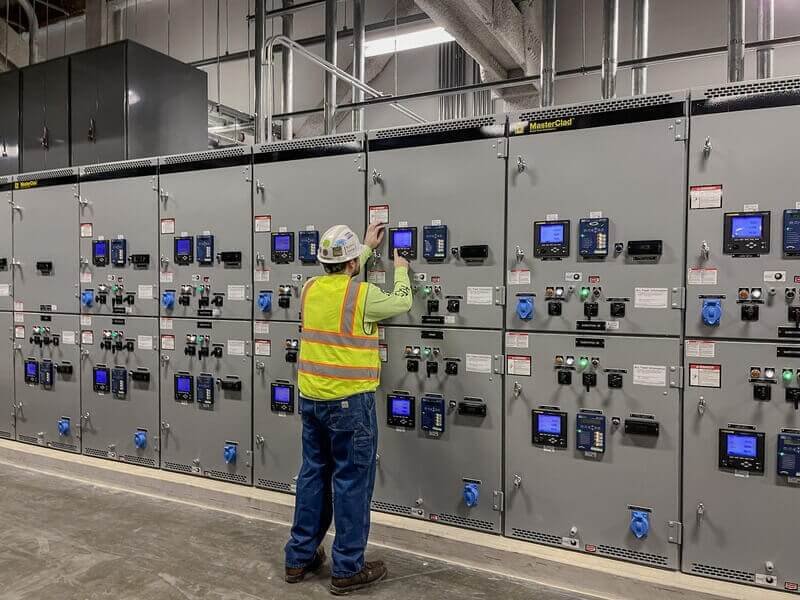
High voltage switchgear technology demands in-depth knowledge of electrical engineering concepts, design and protection system engineering, and best practices. The sophisticated nature of installations nowadays requires professional skills that touch on more than one technical field and at the same time stay focused on reliability and safety of the system.
The key to success in a competitive utility environment today lies in the ability to choose the appropriate equipment among the qualified suppliers who will listen to regional demands and offer full support through all stages of the equipment life cycle. A combination of innovative protection systems, condition monitoring technologies, and the services of a smart grid opens previously unknown possibilities in the field of operational excellence.
Since the early 1980s, IET has been the leading provider of electrical switchgear solutions in East Africa and provider of world-class power transmission and distribution systems in Kenya, Uganda, and Tanzania. We have a complete understanding of large voltage switchgear design, installation, and commissioning, and through our alliances with major manufacturers worldwide, you can be guaranteed that your critical infrastructure projects provide the best performance and reliability. Call IET to learn how our experience can revolutionize your power system and lead the way to operational excellence in your utility business.