
The modern building management systems now go far beyond just HVAC controls and include modern electrical systems optimization techniques that directly relate to efficiency and cost management. The integration of power factor correction schematic design within these systems marks a new level of building intelligence. The modern commercial and industrial buildings require automated building systems to work in tandem with power quality management systems in real time, opening doors to optimize energy use like never before.
The integration of power factor correction with building automation systems now allows real-time management of reactive power based on instantaneous electrical loads within the facility, allowing power factor to be smarter and more dynamic than ever. These systems change traditional static correction methods into intelligent, self-adjusting systems which change the power factor correction based on real-life data instead of theory.
As building owners and facility managers become more sophisticated, they come to the realization that effective power factor correction involves more than just standalone correction equipment. The advanced power factor correction circuit designs can now be integrated with the existing building management systems, thus offering centralized control and monitoring of enhanced operational visibility, and system performance that make real-time power factor management smarter and self-optimizing.
Fundamentals of Building-Integrated Power Factor Management
To effectively incorporate power factor correction within a building management system, it is important to note distinct features and shifts in dynamics of modern commercial electrical loads. Unlike industrial plants that work with fixed load patterns, commercial buildings vary significantly in power factor throughout a day’s operations. HVAC systems, lighting loads as well as any electronics create a reactive power profile that is complex to say the least.
Stand-alone correction systems are based solely on electrical measurements within a building, and are independent of building management platforms. This results in non-optimal performance during transitional load periods. Integrated systems that utilize building management system data to predict load shifts are capable of preemptively adjusting corrective strategies to optimize building performance.
Unique and distinct requirements, such as communication protocols, control interfaces, and data exchange capabilities must work in conjunction with the existing automation structure to guarantee seamless integration and holistic system access. This makes selection and integration of power factor correction devices more elaborate when incorporating building management systems.
Advanced optimization algorithms of reactive power and power factors in general require management of multifactor computation such as electrical measurements, weather conditions, occupancy patterns, and scheduled operations to work alongside in real time with system data streams. Modern platforms for building management systems allow for effective systems integration.
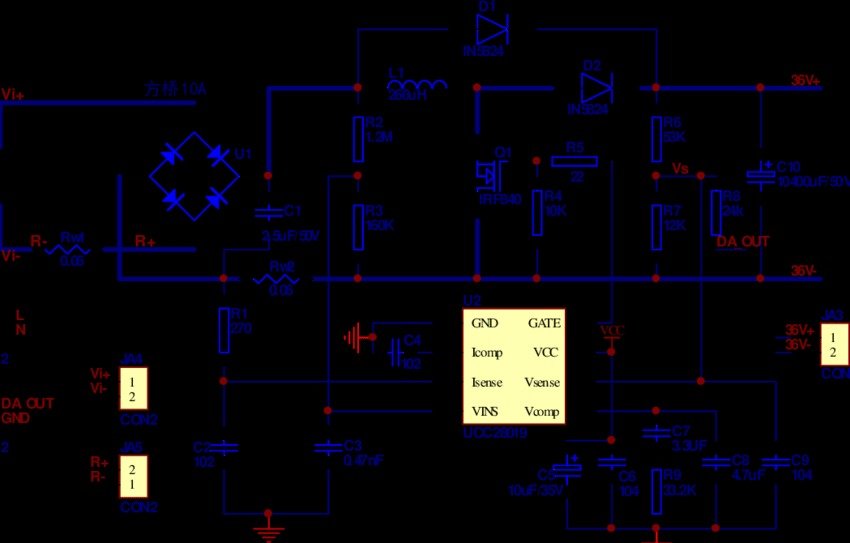
Advanced Schematic Design for Intelligent Buildings
Centralized Control Architecture
The designing of effective power factor correction schemes for integration with building management systems demands attention to control architecture structure as well as the communication pathways. Centralized control systems tend to designate the building management system as the sole control decision hub and the correction equipment as intelligent devices functioning exclusively to respond to commands to optimize the system as a whole.
This architecture allows for advanced interactions between power factor correction and other systems of the building. For instance, the building management system is capable of predicting the need for correction during the cooling peak periods due to reactive power demand and adjusts the correction equipment proactively to sustain desired power factor levels. The system adjusts its correction strategy also during the periods of low occupancy to prevent overcorrection effectively sustaining the stable voltage conditions.
The schematic design includes the building management system and correction equipment as requiring two-way communication. This pathway allows the building management system to receive real-time feedback for the performance of the correction system and the building management system to provide real-time feedback for power quality data.
Advanced design schematics include systems of redundancy and failsafe controls which enable operation during communication outages or maintenance of the building management system. Such designs often incorporate local control systems which ensure basic correction features are operational and allow for seamless recombination to integral operation after communication restoration.
Distributed Intelligence Networks
Modern building management systems increasingly utilize distributed intelligence architectures that distribute decision-making capabilities throughout the facility infrastructure. This approach enables more responsive power factor correction by placing intelligent control nodes closer to electrical loads, reducing response times and improving system stability.
Distributed power factor correction circuit designs incorporate local processing capabilities that can make immediate correction adjustments based on real-time electrical conditions. These local controllers communicate with the central building management system to provide system-wide visibility while maintaining autonomous operation capability during communication disruptions.
The integration of distributed intelligence enables zone-based power factor management strategies that optimize correction for specific areas of the building based on local load characteristics and operational requirements. This approach is particularly valuable in mixed-use facilities where different areas have distinctly different electrical profiles and correction requirements.
Network security becomes increasingly important as power factor correction systems become more integrated with building management infrastructure. Modern schematic designs incorporate cybersecurity measures that protect both power quality and building automation systems from potential security threats while maintaining operational functionality.
Integration Protocols and Communication Standards
Building Automation Protocol Compatibility
The successful integration of power factor correction systems with building management platforms requires careful attention to communication protocol compatibility and data exchange standards. Modern building management systems typically utilize protocols such as BACnet, LonWorks, or Modbus for device communication, and correction systems must be compatible with these standards to enable seamless integration.
BACnet compatibility enables power factor correction systems to appear as native building management system objects, providing standardized data points for monitoring and control. This integration allows facility managers to access power factor data through familiar building management interfaces while enabling advanced control strategies that coordinate correction with other building systems.
The power factor correction equipment must support appropriate data models and communication services to provide meaningful information to building management systems. This includes not only real-time electrical measurements but also diagnostic information, alarm conditions, and configuration parameters that enable comprehensive system management.
Protocol translation and gateway solutions provide integration pathways for legacy correction systems that may not natively support modern building automation protocols. These solutions enable facilities to leverage existing correction investments while gaining the benefits of building management system integration.
Real-Time Data Exchange and Analytics
Effective integration requires robust data exchange capabilities that provide building management systems with comprehensive power factor information while enabling sophisticated control strategies. Real-time data streams must include not only basic power factor measurements but also detailed power quality parameters, harmonic content, and equipment status information.
Advanced building management systems can utilize machine learning algorithms to optimize power factor correction based on historical performance data and operational patterns. These systems continuously refine correction strategies based on actual building performance, improving efficiency and reducing energy costs over time.
The integration of power factor data with other building management system information enables comprehensive energy analytics that provide insights into overall facility performance. Correlation analysis can identify relationships between power factor performance and other operational parameters, enabling optimization strategies that address multiple energy efficiency opportunities simultaneously.
Cloud-based analytics platforms increasingly provide enhanced processing capabilities that can analyze power factor performance across multiple buildings or facilities. These platforms enable benchmarking and best practice identification that can inform optimization strategies and equipment selection decisions.
Automated Control Strategies and Optimization
Load Forecasting and Predictive Control
The integration of building management systems with power factor correction enables sophisticated load forecasting capabilities that can anticipate reactive power requirements based on operational schedules and historical patterns. These predictive control strategies enable proactive correction adjustments that maintain optimal power factor conditions without the lag time associated with reactive control approaches.
Weather forecast integration provides additional optimization opportunities by anticipating HVAC load patterns and adjusting power factor correction device operation accordingly. This integration is particularly valuable during seasonal transitions when building load patterns change significantly and correction requirements vary substantially.
Occupancy sensing and scheduling systems provide valuable input for power factor optimization algorithms. By understanding when different areas of the building will be occupied and what equipment will be operating, the correction system can optimize reactive power compensation to match actual demand patterns rather than worst-case scenarios.
The coordination between power factor correction and demand response strategies enables facilities to participate in utility programs while maintaining optimal power quality conditions. Building management systems can coordinate correction equipment operation with other building systems to achieve demand reduction targets while preserving power factor performance.
Dynamic Response and Adaptive Control
Modern building management systems enable dynamic power factor correction strategies that adapt to changing electrical conditions in real-time. These adaptive control algorithms continuously monitor power factor performance and adjust correction strategies to maintain optimal conditions despite varying loads and operational patterns.
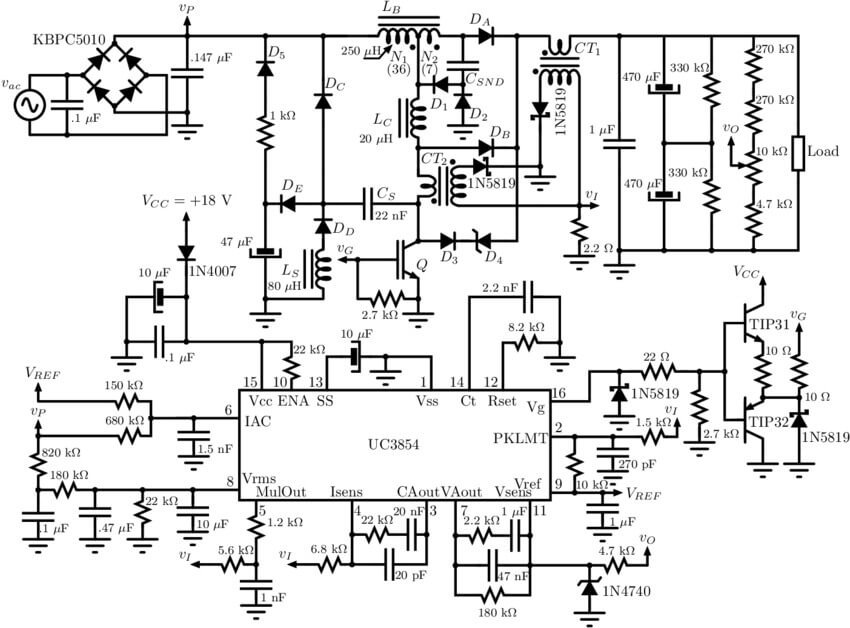
The power factor correction circuit response characteristics must be coordinated with building management system control cycles to ensure stable operation and prevent control system interactions that could compromise performance. This coordination requires careful tuning of control parameters and response timing to achieve optimal performance across all operating conditions.
Advanced control algorithms can implement multi-objective optimization strategies that consider not only power factor performance but also energy costs, equipment life, and power quality parameters. These strategies enable comprehensive optimization that addresses multiple facility objectives simultaneously while maintaining reliable electrical system operation.
The integration of artificial intelligence and machine learning technologies enables correction systems to learn from operational experience and continuously improve performance over time. These learning systems can identify subtle patterns in building electrical behavior and develop optimized control strategies that exceed the performance of traditional rule-based approaches.
Monitoring, Diagnostics, and Maintenance Integration
Comprehensive System Visibility
Building management system integration provides unprecedented visibility into power factor correction system performance and electrical system conditions. Centralized monitoring dashboards enable facility managers to track power factor trends, identify potential issues, and optimize system performance from a single interface alongside other building system information.
Advanced diagnostic capabilities leverage building management system data processing power to identify subtle performance degradation and predict maintenance requirements before equipment failures occur. These predictive maintenance strategies reduce downtime and maintenance costs while ensuring continued optimal performance of power factor correction equipment.
The integration of power factor monitoring with other building systems enables correlation analysis that can identify root causes of power quality issues and optimize overall building electrical performance. This comprehensive approach addresses power factor as part of a holistic electrical system optimization strategy rather than an isolated correction requirement.
Alarm management and notification systems ensure that power factor issues receive appropriate attention while integrating with existing building management system alarm handling procedures. This integration prevents alarm flooding and ensures that critical power factor conditions receive timely response.
Performance Analytics and Reporting
Building management system integration enables sophisticated reporting capabilities that provide insights into power factor performance trends and optimization opportunities. These reports can correlate power factor performance with energy costs, operational patterns, and equipment performance to identify comprehensive optimization strategies.
Regulatory compliance reporting becomes more manageable when power factor data is integrated with building management systems that can automatically generate required documentation and performance summaries. This automation reduces administrative burden while ensuring compliance with utility requirements and energy efficiency standards.
Benchmarking capabilities enable comparison of power factor performance across different buildings, operational periods, or industry standards to identify optimization opportunities and validate system performance. These comparisons provide valuable insights for continuous improvement and strategic planning.
The integration of power factor data with energy management systems enables comprehensive carbon footprint calculation and sustainability reporting that considers power quality impacts on overall energy efficiency and environmental performance.
Future Trends and Emerging Technologies
Smart Grid Integration and Demand Response
With the advancements in smart grid technology, there is now an opportunity for the construction of power factor correction systems which are integrated within the building and can participate in grid support services as well as in the demand response programs. Other building system functions and advanced building system functions can also coordinate power factor correction for grid services and make optimal facility operational decisions.
Furthermore, in the context of electric vehicles, vehicle to grid integration and electric vehicle charging give rise to new challenges and prospects for power factor management in a building. As these technologies can have a profound influence on the building’s electric load, sophisticated strategy frameworks that can adapt to swift changes are required to maintain appropriate correction.
The addition of renewable energy systems and energy storage solutions adds to the complexity of power factor management requiring building management system cooperation. While the power factor optimization poses several challenges alongside opportunities.
Power correction optimization is achievable with new solutions brought about by artificial intelligence and machine learning. Technologies are advancing now, and therefore, system integration and building multiple objectives simultaneously is becoming more responsive to the changes and requirements.
Advanced Materials and Component Technologies
Emerging capacitor technologies and power electronics provide new capabilities for power factor correction system design and integration. These technologies enable more compact, efficient, and responsive correction systems that integrate more easily with building management infrastructure.
The development of wide bandgap semiconductors enables more efficient and responsive power factor correction systems that can provide improved performance while reducing space and cooling requirements. These technologies are particularly valuable in building applications where space constraints and energy efficiency are critical considerations.
Advanced sensor technologies and Internet of Things capabilities enable more comprehensive monitoring and control of power factor correction systems. These technologies provide enhanced diagnostic capabilities and enable more precise optimization strategies that improve overall system performance.
The evolution of communication technologies and protocols continues to improve integration capabilities between power factor correction systems and building management platforms. These improvements enable more seamless integration and enhanced functionality while reducing implementation complexity and cost.
Conclusion
The addition of power factor correction schematic designs to advanced building management systems is a marked step toward automated and intelligent power quality management that adapts to changing performance needs. Such intelligent management systems allow unprecedented levels of coordination between building systems and electrical systems, leading to enhanced efficiency and decreased costs.
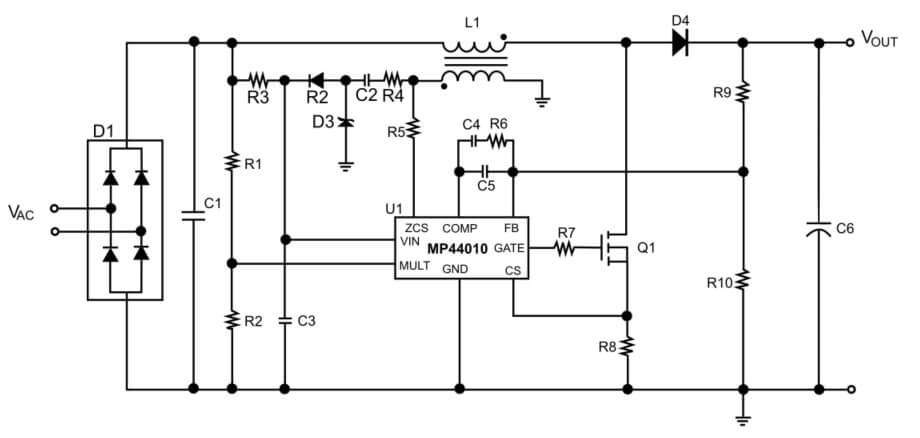
Achieving this goal requires an integration of the building and electrical systems that is sophisticated and automatic. The integration is advantageous not only for power factor management, but also for energy management systems and operational optimization, which balances multiple goals for a single facility at the same time.
The continuous development of building management systems provides ever-greater possibilities for enhanced power factor correction integration and optimization. Facilities adopting these systems will enjoy improved energy efficiency, reduced costs, and enhanced operational flexibility that give them a strong competitive edge in the demanding business world.
Since 1949, IET has been leading in providing electrical engineering solutions in East Africa. We have served our clients in Kenya, Uganda and Tanzania with unparalleled know-how in building management systems and power factor correction systems. Given our extensive capabilities in systems integration and our considerable expertise in power quality management as well as building automation systems, IET delivers advanced solutions that improve the electrical performance of our clients’ facilities and bolster efficiency. Reach out to IET and learn the difference our integrated systems for power factor correction and building management will make to your facility’s energy and operational performance.