
Circuit Breakers and Switchgear Are Essential in Power Protection
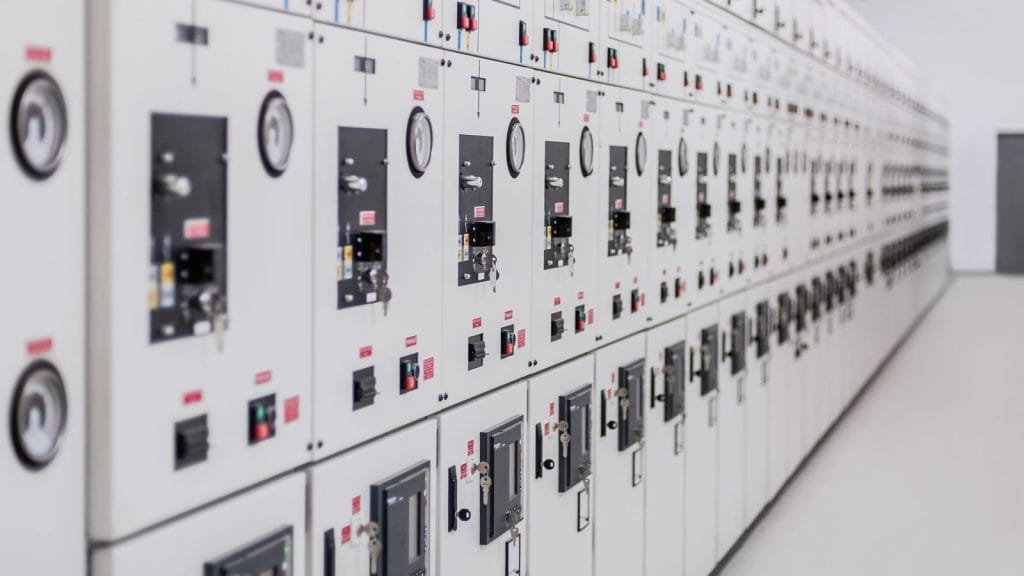
Power systems of the modern era require advanced protection systems. The quality of electrical networks is closely related to the correct choice of equipment. Circuit breaker and switchgear installations form the backbone of industrial power distribution. Such systems will avoid disastrous breakdowns and continuity in operation. Seasoned electrical professionals must know how critical they are. The Fundamental Role of Circuit Breakers in Power Systems Circuit breaker and switchgear technology has evolved significantly over decades. Initial systems were based on basic mechanical methods of interruption. Solutions provided nowadays have built in the state-of-the-art electronic controls and monitoring. The most important task does not change on the one hand, it is to interrupt fault currents safely. The contemporary breakers have to deal with more complicated issues of power quality. The most important protective operation is Fault current interruption. Depending on the short circuits, the current may tend to be explosive. Circuit breakers must detect and isolate faults within milliseconds. This quick reaction averts damage of equipments and fire threat. The breaking capacity should be equal to the prospective fault current of the system. The extinction of arcs is different with the types of breakers. Vacuum breakers have a closed chamber of interruption. The SF6 breakers have an arc quenching gas of sulfur hexafluoride. Air circuit breakers rely on atmospheric pressure for operation. On the other hand, oil-based breakers rely on mineral oil. It is important to coordinate with upstream and downstream protective devices. Selective tripping disconnects only affected circuits when the fault takes place. The engineers need to properly place the time-current curves all over the distribution network. Proper coordination minimises the emission of interruption to good circuits. During system design, the engineers need to put these relationships into serious consideration. Arc Flash Mitigation Strategies The incidences of arc flash are very dangerous to people and equipment. Circuit breaker and switchgear design directly impacts arc flash hazard levels. Modern systems employed arc-resistant construction to increase the level of safety. Pressure relief vents overrun explosive forces. The arc detection relays are more efficient than the conventional overcurrent protection in clearance of the fault. Energy calculations determine required personal protective equipment ratings. Incident energy levels depend on fault current and clearing time. Reducing clearing time dramatically lowers potential arc flash energy. Fast-acting circuit breakers combined with sensitive relays improve safety margins. Regular arc flash studies ensure protective measures remain adequate. Maintenance and Testing Requirements Preventive maintenance extends circuit breaker service life significantly. Contact resistance measurements identify degradation before failure occurs. Timing tests verify mechanical operation meets manufacturer specifications. Insulation resistance testing detects moisture ingress or contamination. Trip unit calibration ensures accurate protective function operation. Primary injection testing validates complete circuit integrity. Secondary injection tests protective relay settings and logic. These procedures confirm system readiness without energizing equipment. Testing frequencies depend on equipment type and environmental conditions. Critical breakers may require annual testing protocols. Switchgear Classification and Application Electric switchgear encompasses all switching and protective apparatus. Low voltage systems operate below 1000V in most standards. Medium voltage typically ranges from 1kV to 36kV. High voltage switchgear handles voltages above 36kV. Each classification requires specific design considerations and safety protocols. LV MV electrical switchgear selection depends on numerous factors. Load characteristics determine required current ratings. Fault level calculations establish necessary breaking capacity. Environmental conditions affect enclosure and insulation requirements. Space constraints often influence physical configuration choices. Metal-Clad vs Metal-Enclosed Designs Metal-clad switchgear provides maximum safety through compartmentalization. Metals house the individual components into different enclosures and ground them. When operators reel off the breakers, the shutters automatically close. The design allows maintenance personnel to safely maintain adjacent energized equipment. Metal-enclosed construction is the highest in terms of safety. Metal-enclosed switchgear offers a more economical solution. Components have similar enclosures with phase barriers. Such a design minimises footprint and material expenses. Isolation capabilities however are not as extensive as metal clad. Air-Insulated vs Gas-Insulated Switchgear Air-insulated switchgear (AIS) uses atmospheric air as an insulation medium. Such systems occupy huge space areas in terms of clearances. Outdoor substations have AIS installations. The maintenance is comparatively easy and cost effective. Environmental exposure may however hasten the deteriorations of components. Gas-insulated switchgear (GIS) provides compact alternatives for space-constrained applications. The gas facilitates a smaller spacing and low total dimensions with SF6 gas. GIS systems are capable of withstanding stringent conditions or in-door applications. Integration of Protective Relays Protective relays serve as the intelligence behind modern protection schemes. Microprocessor-based relays substituted most applications that used electromagnets. Digital relays are accurate and flexible in nature. A single device forms several protection functions. Communication capabilities handle remote monitoring and control. Most schemes are based on overcurrent protection. Time-overcurrent elements have backup protection of the down-stream devices. Immediate factors react to large scale faults. Directional aspects are used to create the forward and reverse faults. Ground fault protection notices when there is an unbalanced condition signifying that there is a failure in insulation. Differentiation protection compares currents flowing on entering and leaving the areas being protected. Any disproportion denotes some internal faults that demand immediate tripping. Transformer differential schemes take into consideration ratio and phase angle variations. Bus differential protection ensures important distribution nodes. Modern relays calculate precision differential currents. Distance Protection for Transmission Lines Distance relays are used to measure fault locations impedance. Protection zones are a specified distance along transmission lines. In Zone 1 – 80-90% Line length instantaneous protection is available. Zone 2 will involve time-deferred backup beyond the remote terminals. Zone 3 offers a long duration of backup to neighboring line sections. Protective relays must coordinate with adjacent line protection. Appropriate time grading is used to provide selective fault operation. The schemes using communication are more selective and fast. Permissive tripping is made possible through pilot wire and power line carrier and fiber optics. These plans permit fault tripping instantly over the whole subject areas. Relay Settings and Coordination Studies The proper setting of relays needs thorough analysis of the systems. Load flow analysis determines normal conditions of operation.
The Role of Smart Building Automation in Energy Efficiency and Facility Management

The current facilities are under pressure to lower the cost of operation. Consumption of energy is still increasing in the commercial properties. Smart building automation systems offer a proven solution to these challenges. Such technologies combine various building functions into one platform. Facility managers have never had the power to have increased control over energy consumption and building performance. The evolution of smart building automation systems has transformed facility management fundamentally. The conventional buildings had separate mechanical and electrical systems. The current intelligent facilities make use of connected networks that interact without any communication issues. This incorporation allows provision of real-time observation as well as automatic reaction to newly arising circumstances. Optimization of the performance is achieved in all building systems. Understanding Smart Building Automation Systems Smart building automation systems represent the convergence of multiple technologies. These platforms combine the HVAC, lighting, and security (and other important systems). The central activity is the gathering of information on sensors inside a facility. This data is inputted into central controllers and intelligent decisions are made. There are automated changes depending upon occupancy, weather and usage patterns. An integrated building management system serves as the operational backbone. It relates dissimilar elements of building into a unified structure. This connectivity enables the various systems to join together and not to be in isolation. As an illustration, the lighting can be modified, depending on the HVAC schedules. Ventilation changes can be initiated on the entrance of areas with security systems. The advantages of building management system technology extend beyond simple automation. These systems give a holistic view of the operations of the facilities. The managers are informed in real time of anomalies in the system or equipment malfunctions. Constant checking of performance allows predictive maintenance to be realized. The analysis of historical data can give trends to influence the decisions that relate to long-term planning. Energy Efficiency Through Intelligent Control Commercial building energy management represents one of the primary benefits. Smart building automation systems continuously optimize energy consumption patterns. Old-fashioned buildings consume much energy in manual controls and in automatic programs. The automated systems rectify the operations according to the real demand and not according to timetables. HVAC systems account for the largest portion of building energy use. Building management system software monitors temperature, humidity, and air quality continuously. The system adjusts heating and cooling output to maintain optimal conditions. Zones with no occupancy receive minimal climate control automatically. This targeted approach reduces energy waste dramatically. Building management system lighting control delivers substantial efficiency gains. Occupancy sensors are used to identify when a space is occupied or not. The intensity of lighting changes automatically depending on the availability of natural day light. Task lighting provides sufficient lighting that is not excessive. The combination of these strategies also lowers the use of lighting energy by up to 40 percent. The other important measure of efficiency is power factor correction. Smart building automation systems monitor electrical loads and power quality continuously. This system starts correction equipment in cases where the power factor falls lower than optimum. It will avoid penalty on energy and save on total costs. Through this, reactive power management is done automatically and not manually. Advanced Features of Modern Building Management Systems Modern building management system software incorporates machine learning algorithms. These systems use the historical trend to forecast the needs in the future. Algorithms detect abnormalities that may either be a sign of equipment breakdown or deterioration. Such predictive power allows preventive maintenance and not remedial repair. Cloud connectivity has expanded the capabilities of smart building automation systems significantly. Facility managers are now in a position to monitor and control buildings in any location. Mobiles have real time control and status of systems. Remote diagnostics lessen the necessity of the visit of troubleshooting. Automatic software downloads do not affect operations of a building. The trend is to integrate renewable energy sources. Integrated building management system platforms coordinate solar panels and battery storage. When the energy source is available the system favors renewable energy and changes to grid power where it is necessary. When the rate is lower during off peak time, energy will be stored. This smart running converts the investment in renewable energy to an optimal. Data Analytics and Performance Optimization Smart building automation systems generate vast amounts of operational data. Modern analytics drives convert this data to action. Patterns in the consumption of energy will be observable in time zones and time periods. The benchmarking capabilities are used to compare performance with other facilities of the same nature or with the industry standards. Detailed reports identify specific areas for improvement and efficiency gains. Managers can test different operational strategies and measure their impact. Also, what-if scenarios help evaluate potential system upgrades or modifications. This data-driven approach ensures investment decisions are based on solid evidence. Occupant Comfort and Productivity The advantages of building management system technology extend to occupant wellbeing. Computerized systems ensure that there are uniform environmental conditions within the facility. Fluctuations in temperature and hot spots or cold spots are done away with. The quality of air is checked to guarantee proper ventilation and filtration. Research has revealed that a comfortable environment is always more productive and satisfying. Smart building automation systems balance energy efficiency with occupant comfort. The system deems both of the objectives in the operational decision-making. Where necessary, the occupants are able to request adjustments by use of user-friendly interfaces. Implementation Considerations for Building Automation Successful deployment of smart building automation systems requires careful planning. Facility managers need to evaluate the infrastructure at hand and establish places of integration. Old equipment might require retrofitting to be able to speak to new control systems. A step by step implementation strategy will reduce disturbance to the operations. Building management system software selection demands thorough evaluation of multiple factors. Scalability assures the ability to expand the system in the requirements of the future facilities. The integration with various equipment is facilitated by open protocols. There are cyberspace schemes that
Implementing Reactive Power Compensation for Industrial Loads

Industrial plants are under increasing pressure to maximize the efficiency of electricity. Energy prices are increasing requiring more intelligent power management. Reactive power compensation stands as a critical solution for modern industrial operations. The technology has been used to solve problems in the quality of power that eat resources silently and upsurge operations costs. Understanding reactive power compensation requires examining how electrical systems truly function. The power consumption of most industrial loads is not power efficient. Inductive equipment causes a voltage current phase shift. The changes decrease the efficiency of the system and demand more power. The implication is an increase in the utility cost and strained electrical systems. Understanding Reactive Power in Industrial Systems Industrial settings have a number of inductive loads which are in proximity to power quality. Reactive power issues are caused by motors, transformers and lighting systems. These parts cannot be able to work effectively without magnetic fields. But creative work of the magnetic fields requires the reactive power which does not do any useful work. This inefficiency in electric systems is measured by the power factor. An ideal power factor is 1.0 which is 100 percent efficient. The majority of the industrial plants operate at between 0.7 and 0.85 without correcting. This is a huge untapped potential and higher expenditures. Reactive power compensation bridges this efficiency gap through strategic intervention. The Cost of Poor Power Factor Penalties are imposed on low power factor due to utilities in most areas. These expenses represent the extra infrastructure to provide reactive power. The industrial clientele is charged on the basis of apparent consumption of power by the industry. They are inflated by poor power factor yet they do not provide additional productive capacity. In addition to direct utility penalties, low power factor has concealed operation costs. When reactionary power currents are higher, electrical cables transmit greater currents. This heats up the insulation and leads to degradation developments of insulation. Maintaining the equipment gets increasingly costly and the life cycle is also reduced. Capacity of the transformer is limited at the moderate actual productive load level. Quantifying System Inefficiency The KVA rating on transformer equipment reveals total apparent power capacity. This differs substantially from actual productive kilowatt capacity at poor power factors. A facility drawing 800 kW at 0.8 power factor requires 1000 KVA. The same productive load needs only 820 KVA at 0.95 power factor. This difference represents significant infrastructure cost and operating expense. Voltage drops increase proportionally with reactive power flow through distribution networks. Motors experience reduced torque and efficiency at decreased voltages. Production equipment operates below design specifications, affecting output quality and quantity. These cascading effects multiply the business impact of inadequate reactive power compensation. Reactive Power Compensation Technologies Multiple technologies address reactive power challenges in industrial settings. Selection depends on load characteristics, budget constraints, and performance requirements. Each approach offers distinct advantages for specific applications. Understanding these options enables optimal system design decisions. Capacitor Banks for Static Compensation The capacitor bank for power factor correction remains the most common solution. Such systems do not use magnetic fields to store electrical energy but electric fields to store electrical energy. The leading reactive power provided by the capacitors is to counter the lagging inductive loads. The overall power factor is better dramatically with this cancellation effect. Constant compensation is maintained by fixed capacitor banks even in case of variation in load. This method is effective in the case of industrial processes that are stable and consistent. Power factor monitoring is done automatically and uses alternating steps of switching capacitor in automated banks. The controllers turn on stages accordingly to the prevailing reactive power needs. Traditional banks have the need to adjust their level of compensation every now and then through the human touch of the operators. Installation location significantly affects capacitor banks for power factor correction performance. The centralized banks on the primary distribution points deal with the facility-wide power factor problems. Localized correction and other benefits are available in distributed banks near large loads of motors. In lieu of costly reactive current flow through the distribution cables and transformers, local compensation is used. Active Power Factor Correction Systems Active power factor correction employs sophisticated electronic switching to manage reactive power dynamically. These systems do not have mechanical switching, and their response to the changing load conditions is instantaneous. The power electronic converters produce accurate controlled reactive power on demand. The technology is applicable in applications with a rapid load variation or non-linearity. Active power factor correction handles harmonic distortion alongside power factor improvement. Under certain circumstances, certain harmonic levels can be amplified using traditional capacitor banks. Active systems Here harmonics are filtered, and fundamental frequency reactive power compensation is provided. This programmability is invaluable in the contemporary industrial world where the frequency drives are variable. The investment in active power factor correction exceeds traditional capacitor solutions significantly. Nevertheless, high-quality performance is not detrimental in high-demand applications. Measuring response time is in miliseconds, not seconds or minutes. This will allow real-time optimization, which is not possible with mechanical switching systems. Synchronous Condensers Synchronous condensers provide variable reactive power through rotating machine technology. These devices resemble motors operating without mechanical load attachment. Excitation control adjusts the reactive power output continuously across a wide range. The approach delivers both capacitive and inductive reactive power as needed. Large industrial facilities and utility substations employ synchronous condensers for dynamic support. The technology excels at voltage regulation alongside reactive power compensation duties. Rotating inertia provides additional grid stability benefits during disturbances. Initial costs remain high, but operational flexibility offers long-term value. Implementing a Power Factor Correction Strategy The implementation needs to be analyzed critically followed by the equipment selection and installation. The knowledge of prevailing power factor trends would indicate how optimization would be possible. Load profiles vary during production cycles and have to be well documented. This data drives appropriate power factor correction device selection and sizing decisions. System Assessment and Measurement Complex power quality monitoring forms the bases of
Circuit Breakers and Switchgear Are Essential in Power Protection
Power systems of the modern era require advanced protection systems. The quality of electrical networks is closely related to the correct choice of equipment. Circuit breaker and switchgear installations form the backbone of industrial power distribution. Such systems will avoid disastrous breakdowns and continuity in operation. Seasoned electrical professionals must know how critical they are. The Fundamental Role of Circuit Breakers in Power Systems Circuit breaker and switchgear technology has evolved significantly over decades. Initial systems were based on basic mechanical methods of interruption. Solutions provided nowadays have built in the state-of-the-art electronic controls and monitoring. The most important task does not change on the one hand, it is to interrupt fault currents safely. The contemporary breakers have to deal with more complicated issues of power quality. The most important protective operation is Fault current interruption. Depending on the short circuits, the current may tend to be explosive. Circuit breakers must detect and isolate faults within milliseconds. This quick reaction averts damage of equipments and fire threat. The breaking capacity should be equal to the prospective fault current of the system. The extinction of arcs is different with the types of breakers. Vacuum breakers have a closed chamber of interruption. The SF6 breakers have an arc quenching gas of sulfur hexafluoride. Air circuit breakers rely on atmospheric pressure for operation. Oil-immersed breakers are insulated with the help of mineral oil. Different technologies are applied in different voltages and purposes. It is important to coordinate with upstream and downstream protective devices. Selective trippings, only affected circuits are disconnected when the fault takes place. The time-current curves need to be properly placed all over the distribution network. There is minimised emission of interruption to good circuits with proper coordination. During system design, the engineers need to put these relationships into serious consideration. Arc Flash Mitigation Strategies The incidences of arc flash are very dangerous to people and equipment. Circuit breaker and switchgear design directly impacts arc flash hazard levels. The arc-resistant construction was employed in modern systems to increase the level of safety. Explosive forces are overrun by pressure relief vents. The arc detection relays are more efficient than the conventional overcurrent protection in clearance of the fault. Energy calculations determine required personal protective equipment ratings. Incident energy levels depend on fault current and clearing time. Reducing clearing time dramatically lowers potential arc flash energy. Fast-acting circuit breakers combined with sensitive relays improve safety margins. Regular arc flash studies ensure protective measures remain adequate. Maintenance and Testing Requirements Preventive maintenance extends circuit breaker service life significantly. Contact resistance measurements identify degradation before failure occurs. Timing tests verify mechanical operation meets manufacturer specifications. Insulation resistance testing detects moisture ingress or contamination. Trip unit calibration ensures accurate protective function operation. Primary injection testing validates complete circuit integrity. Secondary injection tests protective relay settings and logic. These procedures confirm system readiness without energizing equipment. Testing frequencies depend on equipment type and environmental conditions. Critical breakers may require annual testing protocols. Switchgear Classification and Application Electric switchgear encompasses all switching and protective apparatus. Low voltage systems operate below 1000V in most standards. Medium voltage typically ranges from 1kV to 36kV. High voltage switchgear handles voltages above 36kV. Each classification requires specific design considerations and safety protocols. LV MV electrical switchgear selection depends on numerous factors. Load characteristics determine required current ratings. Fault level calculations establish necessary breaking capacity. Environmental conditions affect enclosure and insulation requirements. Space constraints often influence physical configuration choices. Metal-Clad vs Metal-Enclosed Designs Metal-clad switchgear provides maximum safety through compartmentalization. The individual components are housed into different enclosures that are grounded using metals. When breakers are reeled off the shutters automatically close. It has a design whereby adjacent energized equipment can safely be maintained. Metal-enclosed construction is the highest in terms of safety. Metal-enclosed switchgear offers a more economical solution. Components have similar enclosures with phase barriers. Such a design minimises footprint and material expenses. Isolation capabilities however are not as extensive as metal clad. The environment in which the design is to be done will dictate the best design approach to use. Air-Insulated vs Gas-Insulated Switchgear Air-insulated switchgear (AIS) uses atmospheric air as an insulation medium. Such systems occupy huge space areas in terms of clearances. Outdoor substations have AIS installations. The maintenance is comparatively easy and cost effective. Environmental exposure may however hasten the deteriorations of components. Gas-insulated switchgear (GIS) provides compact alternatives for space-constrained applications. The gas facilitates a smaller spacing and low total dimensions with SF6 gas. GIS systems are capable of withstanding stringent conditions or in-door applications. GIS is used in urban substations. The increase in initial costs is compensated by decrease in land requirements. Integration of Protective Relays Protective relays serve as the intelligence behind modern protection schemes. Most applications used electromagnets were substituted by microprocessor-based relays. Digital relay is accurate and flexible in nature. Several protection functions are formed as part of a single device. Remote monitoring and control is done through communication capabilities. Most schemes are based on overcurrent protection. Time-overcurrent elements have backup protection of the down-stream devices. Immediate factors react to large scale faults. Directional aspects are used to create the forward and reverse faults. Ground fault protection notices when there is an unbalanced condition signifying that there is a failure in insulation. Differentiation protection involves comparisons of currents flowing on entering and leaving the areas being protected. Any disproportion denotes some internal faults that demand immediate tripping. Transformer differential schemes take into consideration ratio and phase angle variations. Important distribution nodes are ensured with bus differential protection. The currents that are calculated by modern relays are precision differential currents. Distance Protection for Transmission Lines Distance relays are used to measure fault locations impedance. Protection zones are a specified distance along transmission lines. In Zone 1 – 80-90% Line length instantaneous protection is available. Zone 2 will involve time-deferred backup beyond the remote terminals. Zone 3 offers a long duration of backup to neighboring line sections. Protective relays must coordinate with adjacent
How Voltage Stabilizer Systems Protect Equipment and Improve Power Quality
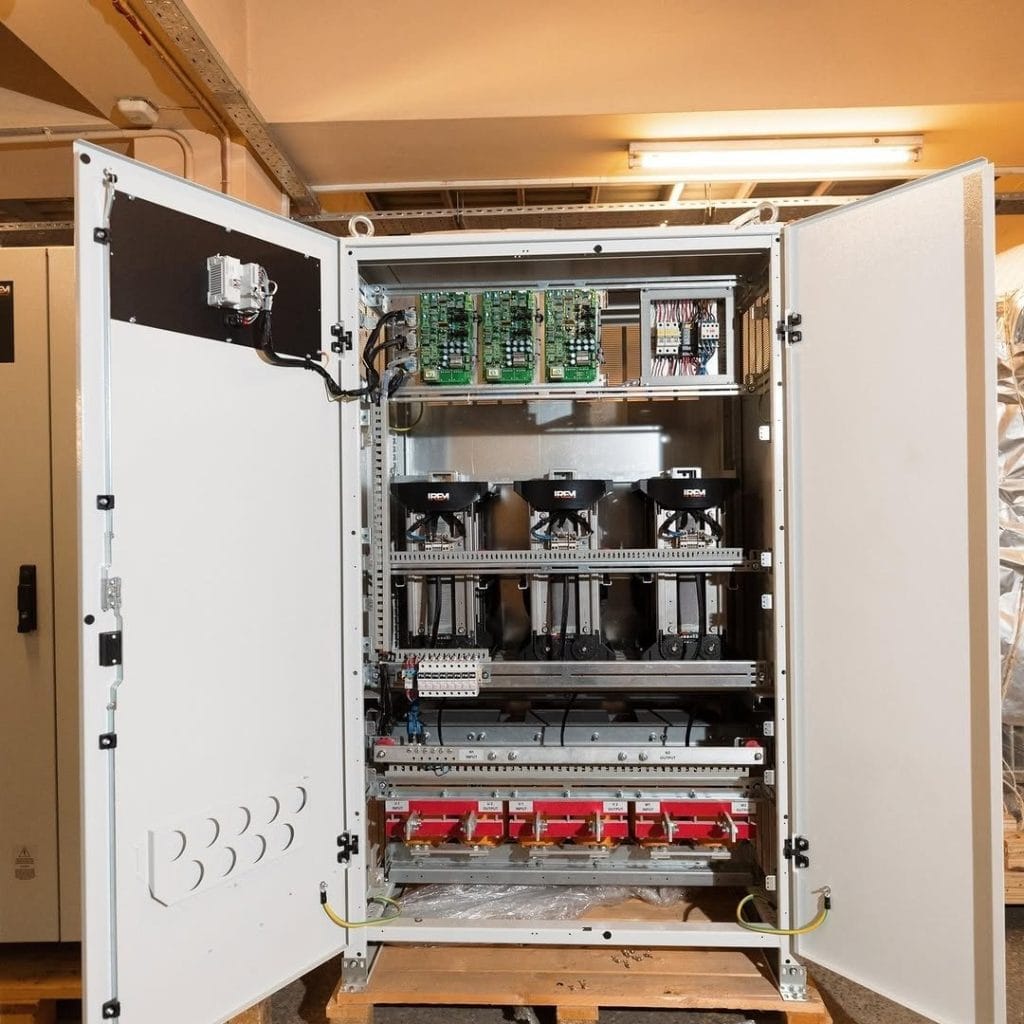
The quality of power issues is very dangerous to the industrial and commercial activities. Voltage fluctuation usually causes equipment breakdowns, wastage of production time and repairs that are expensive. Voltage stabilizer systems have become essential protection mechanisms in modern electrical infrastructure. These systems guarantee the supply of power at the same frequency with no damage to delicate equipment due to the voltage effect. The East African industrial sector has different power quality issues. The unpredictability of the voltage is brought about by grid instabilities, variation in loads and a restriction posed by infrastructure. Voltage stabilizer systems provide the first line of defense against these issues. Facility managers and engineers should understand how they should be applied and the purpose of their application. Understanding Voltage Fluctuations and Their Impact The Nature of Voltage Variations Fluctuations in voltage are caused where supply levels are different than nominal levels. Such variations may be in form of over voltages, under voltages or temporary spikes. These problems are found in the industrial settings because of the heavy start up activities of the machinery and switching of grids. Different types of fluctuations cause various difficulties to related equipment. The electrical devices are on overvoltage conditions which exceed the rated capacity. This power causes an overheating of components and circuits. Losses of insulation are more probable when they are subjected to sustained overvoltages. Repeated stresses of voltages cause equipment lifespan to reduce drastically. In cases of undervoltages, equipment will have to operate at currents that are higher than normal. It is not easy to keep working with motors and transformers in such conditions. When current draw is higher, it will cause over heating and rapid degradation of components. Severe cases of undervoltage may either slow down or reach a standstill in the production processes. Equipment Vulnerability to Power Quality Issues Voltage irregularities cause immediate losses to sensitive electronic equipment. Variable frequency drives, computer systems and programmable logic controllers need a constant power. Even the spikes of voltages can distort data or destroy the circuit boards even in short. During power quality events, manufacturing facilities will lose control of key processes. Motor-driven equipment faces mechanical stress from voltage fluctuations. Inconsistent voltage causes torque variations and speed instability in motors. Bearings and couplings experience premature wear from these operational irregularities. Maintenance costs escalate when equipment operates outside design parameters. Lighting systems and HVAC equipment also demonstrate vulnerability to voltage variations. LED drivers and electronic ballasts fail prematurely under unstable voltage conditions. Air conditioning compressors experience reduced efficiency and increased energy consumption. Building systems require stable power for optimal performance and longevity. How Voltage Stabilizer Systems Function Core Operating Principles Voltage stabilizer systems monitor incoming power and make real-time corrections. These systems also monitor abnormalities in the level of voltages quickly. The mechanisms of correction act on the order of milliseconds to level off the voltages back to normal. The production is not affected by changes in inputs and alterations in load. Automatic voltage regulator technology forms the foundation of modern stabilization systems. These regulators employ transformer taps or electronic switching in terms of voltage adjustment. Tap changers are moved by servo motors to add or reduce voltage output. Solid-state components are used by electronic regulators in order to respond faster. The regulating process holds the output voltage to small variations. Most industrial voltage stabilizer systems achieve ±1% output accuracy. This accuracy will make sure that equipment is supplied with equal amounts of power at all times. The constant check averts both overvoltage and undervoltage conditions which may reach the loads under protection. Types of Voltage Stabilization Technologies Servo-controlled voltage stabilizer systems utilize electromechanical components for voltage regulation. A servo motor is used to vary the position of a variable transformer. It is a mechanical solution that gives strong performance in severe industrial conditions. The time reaction is between 20 and 50 milliseconds. Static voltage stabilizer systems employ electronic components without moving parts. Transformer taps are switched at a high rate using thyristors or IGBTs. These systems react to the voltage variation between 5 to 10 milliseconds. Mechanical parts are non-existent hence lowered maintenance needs. Automatic voltage regulator stabilizer units combine multiple technologies for enhanced protection. Electronic switching capability is provided through hybrid designs in combination with servo control. These superior systems maximize their responsiveness and the accuracy of regulation. Multi-stage protection guarantees full protection against different disturbances of power. Voltage Stabilizer Systems in Generator Applications Challenges in Generator Power Quality Industrial facilities have special voltage stability problems in the presence of generator sets. Output voltage and frequency both vary directly with the change in engine speed. Adjustments of loads lead to instantaneous fall of voltages until the governors take action. Voltage regulators for generator applications must address these dynamic conditions. Starting large motors or transformers creates severe voltage dips in generator systems. The alternator struggles to maintain voltage during sudden load increases. Equipment may trip offline or sustain damage during these transient events. Proper voltage regulation becomes critical for generator-dependent operations. Multiple generators operating in parallel require precise voltage matching. Mismatched voltages between units cause circulating currents and system instability. Automatic voltage regulator systems coordinate voltage levels across parallel generator configurations. This coordination prevents load sharing issues and protects generating equipment. Implementing Generator Voltage Regulation Modern voltage regulators for generator systems integrate with engine control units. With this integration, a synchronous response to changes of load and voltage can be achieved. The AVR also regulates the excitation of the alternator and the governor regulates the engine speed. Combined control provides stable power over the entire conditions of operation. The performance of generator voltage regulation systems depends on their location of installation. Stabilizers installed near loads that are critical are the most effective in their protection. Whole-facility protection however may involve stabilizers at the main board of distribution. Engineering analysis comes up with the most suitable arrangement of certain applications. Sizing considerations for voltage regulators for generator installations depend on load characteristics. The stabilizers that are rated with more
Implementing Advanced Commercial Building Management Solutions

Modern facilities are under pressure to conserve energy as never before. The increasing cost of operation and sustainability require an urgent response. Commercial building management solutions provide the integrated technology needed to address these challenges head-on. The consumption of buildings occupies almost forty percent of the energy consumption in the world. This shocking number is an indicator of the necessity of smarter systems. The conventional managerial methods are no longer appropriate in the current challenging world. Companies need to embrace advanced systems that provide real time management and insights. The revolution of technology on the building has revolutionized the functioning of facilities. Today’s commercial building management solutions integrate multiple systems seamlessly. The HVAC, lighting, power distribution and the security are now all smart. The coordination leads to efficiency gains previously unattainable only years ago. Understanding Modern Commercial Building Management Solutions Commercial building management solutions represent a comprehensive approach to facility optimization. These platforms connect disparate building systems into unified networks. The result is unprecedented visibility and control over every aspect of operations. Commercial building management solutions represent a comprehensive approach to facility optimization. These platforms will bridge the gap in the building systems and tie them into a single system. The outcome is unprecedented exposure and oversight of all events in operations. Modern technologies are effective in utilizing cloud computing and artificial intelligence. They handle huge sensor data stream data. Algorithms based on machine learning point out patterns and deviation that may not be noticed by human operators. It is an intelligence that allows active management as opposed to passive firefighting. The modern platforms in comparison with the legacy systems differ entirely due to integration capabilities. They can interact with machines of various manufacturers without any problems. Interchange of data is guaranteed through open protocols and standard interfaces. This interoperability achieves maximum benefit to the current infrastructure investments. The scalability of today’s commercial building management solutions supports organizational growth naturally. Facilities have an opportunity to begin with minimal functionalities and add more facilities gradually. Cloud-based designs do not require anything as far as extended on-site infrastructure. This is because advanced technology is not limited to large organizations due to this flexibility. Core Components of Energy Management Solution for Commercial Buildings An effective energy management solution for commercial buildings comprises several critical elements. Each component plays a specific role in achieving optimal performance. Understanding these building blocks helps organizations make informed implementation decisions. Real-Time Monitoring and Data Analytics Continuous monitoring forms the foundation of intelligent energy management systems. Sensors throughout the facility track consumption patterns across all systems. This granular data reveals exactly where and when energy is used. Advanced analytics transform raw data into actionable intelligence immediately. Commercial building management solutions identify inefficiencies that drain resources unnecessarily. Visualization dashboards present complex information in easily digestible formats. Facility managers can spot trends and anomalies at a glance. Automated Control Systems Automation eradicates error by humans and maintains optimal performance at all times. The occupancy and the weather conditions make modern systems modify HVAC settings. Lighting is responsive to the natural access to daylight and space usage. These adjustments occur automatically without the need to make such adjustments manually. Time booking facilities avoid wastage of energy when the rooms are not occupied effectively. The equipment will be on-demand and at an optimum level of operation. The smart control has gone a long way to minimize consumption without affecting the comfort of occupants. The advance building energy management system is continually taught through usage patterns. Predictive Maintenance Capabilities Malfunctions of equipment lead to wastage of energy and expensive idle time both at the same time. Predictive analytics detect problems that have the potential to result into failures. There are sensors that identify minor shifts in the performance that signify the emergence of challenges. During planned downtimes, maintenance teams can be proactive to the solution of the problems. This strategy prolongs the equipment life and keeps the efficiency in their maximum. The routine reactive maintenance is substituted with data-driven targeted intervention. The outcome is reduced costs of maintenance and increased reliability of the systems. Commercial building management solutions pay for themselves through avoided breakdowns alone. Implementing Best Peak Energy Management Solutions for Commercial Buildings 2025 The present technological environment provides unprecedented chances of optimization of facilities. The best peak energy management solutions for commercial buildings 2025 incorporate cutting-edge innovations. Companies that use these systems have a great competitive edge in the markets. IoT Integration and Smart Sensors The use of the Internet of Things has entirely transformed the management of buildings. Smart sensors deliver the fine-grained information in all parts of facilities. They are wireless devices that can be easily integrated with the existing infrastructure. The increased exposure allows optimization opportunities that could not have been determined in the past. The decisions made in systems are informed. Temperature, humidity, lighting levels, and occupancy data are continually informed. Commercial building management solutions use this information to fine-tune operations dynamically. The consequence is to minimize comfort as well as minimize energy at the same time. The occupants are provided with superior environments and organizations save a lot of costs. Artificial Intelligence and Machine Learning AI capabilities elevate energy management solution for commercial buildings to new heights. Machine learning uses past data to forecast future consumption trends. These forecasts will facilitate future restructuring that will avoid waste in the future. The system is automatically made smarter and efficient. Pattern recognition is used to define anomalies, which show equipment issues or inefficiencies. Automated alerts help inform maintenance teams about the problems that need to be addressed as soon as possible. This intelligence moves building management to predictive and not reactive operations. The advance building energy management system essentially thinks for itself continuously. Cloud-Based Platforms Cloud technology provides scalability and flexibility, which is not able to be matched by on premise solutions. Facility managers access commercial building management solutions from anywhere with internet connectivity. Multi-site organizations have one common overall platform where their portfolios are conducted. This centralization
How to Turn Technical Specs into Revenue Through Expert B2B Copywriting
B2B and SaaS companies invest millions in product development. However, one major challenge they experience is communicating the value of the product to their target audience. They create content, including blog posts, ebooks, case studies, and whitepapers that read like technical manuals. However, here is the uncomfortable truth: technical accuracy doesn’t drive revenue—strategic SaaS and B2B copywriting does. When your company hands out product specifications to generalist writers or rely on AI tools, you end up creating surface-level content. You will have content that showcases product features without communicating the real business value that your product provides. You end up with marketing material that communicates to the wrong target audience—engineers instead of CFOs. This form of messaging is ignored by decision-makers controlling seven-figure budgets. B2B copywriting bridges the gap between what your solution does and why it should matter to the people who sign the contracts. This B2B SaaS copywriting guide looks at: Why Generic Content Full of Technical Jargon Fails in Complex B2B Sales Cycles Enterprise sales rarely happen after a single touchpoint. Your prospective customers conduct extensive research, involve multiple stakeholders, and evaluate vendors over months and sometimes years. Throughout this journey, your content, including blog posts, ebooks, case studies, and white papers, must serve VP-level executives, technical evaluators, procurement teams, and end users simultaneously. And here is where most B2B copywriting approaches collapse. A skilled B2B copywriter understands that different stakeholders care about completely different outcomes: Generic content focuses on satisfying everyone at once and ends up resonating with no one. When creating your B2B marketing content, first consider who your real target audience is. If you are targeting procurement teams, you must understand how they work. These teams don’t debate on API documentation, they focus on strategic initiatives, competitive positioning, and risk mitigation. Therefore, build your content to speak this language, connecting technical capabilities to boardroom priorities. When you nail this connection, technical specifications become strategic advantages and not confusing feature lists. Technical differentiation rarely wins deals, especially in competitive markets where other businesses offer similar capabilities. To drive selection your content must: With effective B2B marketing copywriting, your company can stand out from the rest. Before Creating Marketing Copy, Understand Multi-Stakeholder Buying Dynamics in Your Industry An average of six to ten decision-makers are involved in enterprise purchases. Each of these stakeholders have veto power and distinct concerns. Create your B2B copywriting strategy to address each stakeholder’s concerts through targeted content. Speak to each role directly while maintaining consistent messaging. Professional B2B copywriters map content to buyer roles, creating materials that answer specific questions at specific stages: Each content serves a distinct purpose in moving deals forward, reducing sales cycle friction, and accelerating consensus-building. The Cost of Misaligned Messaging in SaaS Copywriting Creating content that doesn’t bridge technical capabilities and business outcomes, you are sabotaging your sales team. They spend countless hours on discovery calls translating product features into relevant value propositions—work that should happen through strategic content long before first conversations. This inefficiency makes evaluation more difficult, slowing deals and undermining your competitive positioning. The Revenue Gap: What Technical Specifications Actually Cost You Let’s quantify what poor B2B copywriting actually costs. Your marketing team generates hundreds of marketing qualified leads (MQLs) monthly. Sales qualifies them, schedules demos, and invests significant resources in nurturing relationships. Creating content that doesn’t bridge the gap between technical functionality and strategic value results in conversions stagnating. Typically, prospective customers arrive at your website through organic search or paid campaigns in search engines. They may then download a whitepaper, attend a webinar, or request a demo. Their expectations are understanding how your solution can solve their major pain points. However, all they get is technical product specifications that don’t really tie on how the solution solves real world problems. There is a major disconnect between what you are communicating and what they need to hear. This results in: Professional B2B copywriting services address this gap systematically by building content around the major pain points your target audience faces. The content answers these key questions: These drivers help in creating content that positions technical capabilities as solutions to real problems. Calculating Content ROI in Complex Sales When B2B SaaS copywriting aligns with how enterprises actually buy, you can measure the financial impact throughout your organization. Investing in strategic content can reduce sales cycle length by 20-30% because prospects arrive at conversations already understanding your value propositions. You experience higher close rates because the messaging resonates with economic buyers. Your content engagement metrics, such as whitepaper downloads, demo requests, and sales-qualified conversations, improve drastically. And this also accelerates the pipeline velocity because deals move faster through evaluation stages. Your win rate improves and you get new customers and maintain your existing customers. Your company stays ahead of competitors still churning out feature-focused messaging. Strategic Frameworks for Effective B2B Marketing Copywriting Professional B2B copywriting transforms how prospects perceive your solution. They map content to buying stages, ensuring each piece serves a specific purpose in moving deals forward: This strategic mapping demands a deep understanding of: A B2B copywriter who understands these dynamics creates content that functions as an extension of your sales team. The framework starts with positioning—how you want prospects to categorize your solution relative to alternatives. Are you: Your positioning decision cascades through every piece of content, shaping messaging, proof points, and calls-to-action. Inconsistent positioning confuses prospects and undermines your ability to command premium pricing. Value Proposition Architecture Your B2B marketing copywriting must articulate value at multiple levels. Each level matters to different stakeholders. Your content must therefore address all of them coherently. Differentiation Without Disparagement Strong B2B SaaS copywriting establishes differentiation without directly attacking competitors. Why? Because enterprise buyers distrust overtly competitive messaging and often penalize vendors for aggressive positioning. Therefore, focus on your unique approach to solving challenges, highlighting specific capabilities that matter to your ideal customers. Let your prospects draw their own conclusions about alternatives. This means that you must understand your competitive landscape and buyer priorities:
The Critical Role of Automation in Pharma Industry Operations
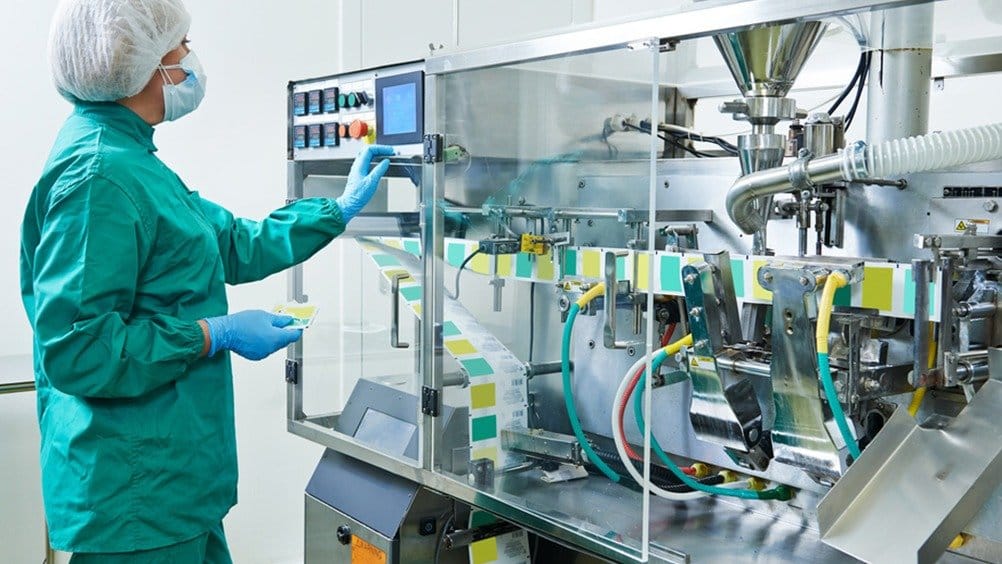
The pharmaceutical industry is on a crossroad where conventional production and the new technology converge. Automation in pharma industry operations has evolved from a competitive advantage to an operational necessity. The modern pharmaceutical companies are under pressure today as never before to be more precise, compliant with the regulations of the industry, and to be able to produce on a larger scale. These challenges have positioned automation in pharma industry systems as fundamental infrastructure rather than optional enhancements. The transformation happening across manufacturing floors worldwide reflects a deeper understanding of how automation in pharmaceutical industry applications directly impact product integrity and operational excellence. The executives of manufacturing understand that manual processes will bring in those variables that automated systems will completely remove. This shift toward comprehensive automation in pharma industry adoption has fundamentally changed how pharmaceutical companies approach production planning, quality assurance, and regulatory compliance. The Business Case for Pharmaceutical Manufacturing Automation Addressing Critical Manufacturing Challenges Pharmaceutical manufacturers face unique operational pressures that make automation in pharma industry systems essential. Regulations organizations ensure that there is complete consistency in manufacturing drugs. The batches should all be of the same specifications despite their time of production, place, or a change in the personnel. The processes that are carried out manually create human variability, which negatively affects batch to batch consistency. Automation in pharmaceutical industry solutions eliminate these inconsistencies through precise, repeatable control mechanisms. Pharmaceutical manufacturing leads to huge administrative burdens due to documentation requirements. The compliance requirement in the regulatory measures will entail meticulously documented records of all production factors, environment, and quality gateway. The conventional manual records taking systems absorb a lot of human resources and also add transcription errors. Advanced automation in pharma industry platforms automatically capture, timestamp, and store all relevant production data in formats that satisfy regulatory audits. Quantifiable Operational Improvements Manufacturing facilities implementing comprehensive automation in pharma industry programs report dramatic productivity gains. Automated systems are always working, and the performance does not even diminish due to fatigue. Production lines also have stable levels of production during the different shifts, optimum use of equipment. Automation in pharmaceutical industry deployments typically increase throughput by 30-50% while simultaneously reducing defect rates. Quality metrics improve substantially when manufacturers embrace automation in pharma industry technologies. Automated inspection systems detect anomalies that escape human visual inspection. Vision systems examine every product unit at speeds impossible for manual inspectors. These automated quality checks ensure only conforming products reach distribution channels. Furthermore, automation in pharma industry implementations reduce waste by catching quality issues earlier in production processes. Core Technologies Driving Pharmaceutical Automation Process Control and Monitoring Systems Modern automation in pharmaceutical industry architectures center on sophisticated process control systems. The programmable logic controllers (PLCs) control essential manufacturing processes with a precision of milliseconds. These types of controllers control temperature, pressure, mixing speeds among other factors that define the quality of a product. Multi-PLC coordination Provisions Distributed control systems (DCS) manage the coordination activities of a complex manufacturing plant, and they combine multiple hardware units (PLCs). The integration of these technologies exemplifies how automation in pharma industry solutions create unified production environments. Industrial automation drives form another crucial component of automation in pharma industry infrastructure. Variable frequency drives (VFDs) offer accurate control of pumps, mixers, centrifuges, and conveyors by the motor. These drives are dynamic in nature and vary the motor speeds according to the process needs. The current VFDs are linked to central control systems, which coordinate the work on manufacturing lines. This level of integration demonstrates how automation in pharmaceutical industry systems optimize energy consumption while maintaining production precision. Data Collection and Analysis Infrastructure Supervisory control and data acquisition (SCADA) systems represent the intelligence layer in automation in pharma industry deployments. SCADA platforms gather real-time information about hundreds of sensors located at manufacturing premises. such systems will display operational information using user-friendly dials that assist operators to recognize problems before they affect production. The ability to analyze the historical data allows enhancing the processes continuously. The analytical power of SCADA exemplifies how automation in pharmaceutical industry implementations transform raw data into actionable insights. Manufacturing execution systems (MES) are an addition to SCADA, but they handle the production processes during the receipt of raw materials until the release of finished products. These systems plan production runs, operate batch genealogy, organize quality tests, and control compliance with regulations. MES systems are also used to align business with production by connecting with enterprise resource planning (ERP) systems. This integration showcases how automation in the pharma industry extends beyond shop floor equipment to encompass entire manufacturing organizations. Quality Assurance Automation The quality control in the pharmaceutical manufacturing has been revolutionized by automated inspection technologies. Tablets, capsules, along with packaging are examined by the vision systems at the production rates and this is done to identify any defects that cannot be seen by the human inspectors. X-ray checking machines check the fill levels and uncovered contaminants in sealed on-board containers. These quality systems embody how automation in pharmaceutical industry protects brand reputation while ensuring patient safety. Laboratory automation represents another critical dimension of automation in pharma industry implementations. Hundreds of samples of quality control are processed daily by automated sample handling systems. Robotics are used to prepare samples and dispensed reagents and present specimens to analyzers. These automated processes minimize the time required to process a sample to hours and remove manual mistakes. Combination with laboratory information management systems (LIMS) produces full digital documentation of each and every quality testing operations. Building Management Integration in Pharmaceutical Facilities Environmental Control Systems Pharmaceutical manufacturing requires precise environmental conditions that automation in pharma industry systems maintain continuously. The constant temperature, humidity and differential pressure is necessary in the clean room environment. The construction of automation systems also observes the environmental parameters based on the distributed sensor networks. These systems automatically turn HVAC equipment on or off to keep specifications irrespective of both external factors and internal heat loads. Ability of energy management in building automation platforms will maximize utility
Streamlining Efficiency with Advanced Industrial Process Automation

The current production requires accuracy, speed, and reliability. Industrial process automation delivers all three while reducing operational costs. Business organizations in the East African region is currently using such technologies to compete. The transformation begins with understanding what automation systems can achieve. Later on, the businesses open up to new productivity and quality measures. Industrial process automation represents the integration of technology into manufacturing operations. It automates manual procedures with smart self-regulating systems. The systems are constantly monitoring, controlling and optimizing production. Further, they garner useful information to use in further enhancements. The outcome is smooth operations that are always able to achieve high production requirements. Understanding Industrial Process Automation Fundamentals Core Components of Automation Systems Automation systems comprise several interconnected elements working in harmony. PLCs also play the role of the working brain. They execute computerized commands in micro seconds. In the meantime, sensors obtain real-time information on all processes. This information is channeled to control systems to be analyzed. Human Machine Interfaces (HMIs) make available easy-to-use control panels to the operators. These interfaces show real time critical process parameters. There is the ability to change settings, react to the alerts, and track performance. Moreover, the latest HMIs offer the opportunity of remote access. Having said that, supervisors will be able to monitor the affairs where they can receive the internet signal. The Role of Industrial Process Control Industrial process control ensures operations run within specified parameters. Control systems manage variables to achieve optimum conditions, maintaining temperature, pressure, flow rates, and chemical compositions with high precision. Therefore, there is a uniformity of product quality in all production batches. Such uniformity eradicates expensive deviations, wastage of resources is greatly curtailed. Advanced industrial process control systems employ sophisticated algorithms. These algorithms allow predicting the possible problems before it gets into serious troubles. They examine the preference of the past to optimize the future performance. Moreover, predictive maintenance will eliminate problematic failures. The systems do not have emergency shutdowns but planned maintenance that is carried out during a planned downtime. Benefits of Implementing Industrial Automation Solutions 1. Enhanced Operational Efficiency Industrial automation solutions dramatically improve production throughput. Computer software works twenty four hours without rest or distraction. They are also accurate and fast throughout the night. In addition, the cycle times are reduced and the level of output is enhanced. The manufacturers are capable of satisfying an increasing demand without commensurate increase in costs. Energy consumption decreases substantially with properly implemented automation systems. Smart controls will maximize power consumption depending on actual needs. Motors, pumps and compressors are only turned on when the need arises. There are also energy watching systems that establish areas where there are inefficiencies so as to constantly improve on them. Such savings have a direct influence on bottom-line profitability in the long run. 2. Improved Quality and Consistency Industrial process automation eliminates human error from critical operations. Automated systems will execute programmed specifications to the latter. They do not feel distractions, fatigue, or lack of judgment. As a result, the defect rates decline to zero at the expense of an increasing product consistency. High quality products that are reasonably consistent are offered to the customers. The inspection processes are more automated and thus more rigorous to quality control. The vision systems detect defects that do not have any visibility to the human inspection. Measurement systems check the dimensions to the micron level. Moreover, industrial automation and control systems make automatic records on all measurements. This is a comprehensive trail of data that supports quality certifications and regulatory compliance. 3. Enhanced Safety and Risk Reduction Industrial automation solutions remove workers from hazardous environments. The work of robots involves the work with hazardous substances and in inhospitable conditions. Robotic systems are used to carry out work in small dimensions or poisonous environments. Thus, injuries in the workplace will be reduced and safety of the employees is enhanced. Businesses save the exposure to liability, as well as, insurance expenses. Safety systems integrate seamlessly with industrial process control platforms. The emergency shut down procedures are automatic based on the sensors that sense anomalies. Interlocks ensure that there are no unsafe operations and safeguard personnel and equipment. In addition, extensive alarm systems inform the operators of emerging circumstances. The turnaround time is reduced significantly as opposed to manual systems of monitoring. Advanced Technologies Driving Industrial Process Automation Internet of Things Integration IoT connectivity transforms traditional automation systems into intelligent networks. Sensors are constantly acting with cloud based analytics. Information moves out of the production levels to executive dashboard in real time. The stakeholders then provide real-time performance metrics, as well, at any location. This interrelatedness allows making more informed decisions faster between organizations. Edge computing involves the introduction of processing power to the production devices. Data are analyzed locally with time-sensitive decisions made by local controllers. Critical processes are instant responses to the changing conditions. Besides, the bandwidth needs reduce due to less data flowing into and out of the individual. This architecture is particularly useful in places that have a poor connection. Artificial Intelligence and Machine Learning AI enhances industrial process automation through adaptive learning capabilities. Machine learning identifies trends that a human being would have overlooked. They keep on optimizing parameters of a process so as to achieve maximum efficiency. Moreover, predictive models are used to predict malfunctions of equipment even before they occur. Proactive not reactive maintenance teams tackle their problems. Digital twins are digital representations of real-life production systems. The changes in simulation are tested by the engineers and then they are implemented physically. This strategy shortens down interruption in production and risks are minimized. In addition, digital twins provide the possibility of capacity planning through a what-if scenario. The operations divisions are comfortable with scaling the production to changing demand levels. Cybersecurity in Industrial Environments Modern industrial automation solutions require robust cybersecurity measures. Malware and unauthorized access is a threat to connected systems. Critical infrastructure is secured by multi-layered security protocols. Sensitive data is secured with
A Practical Guide to Implementing Automation in Industrial Facilities
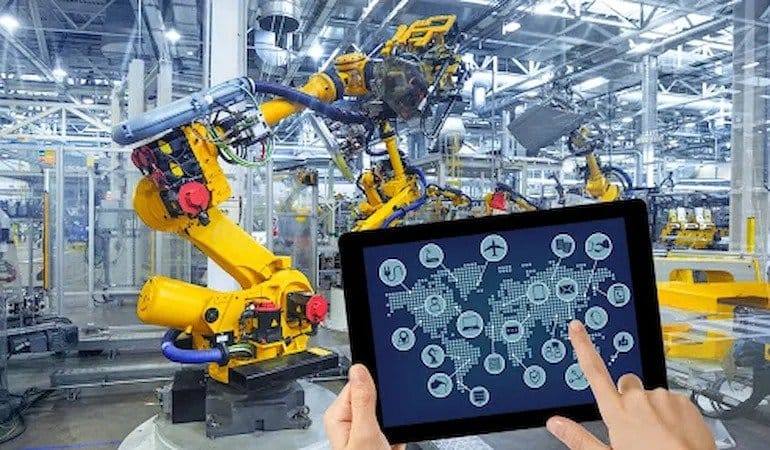
The manufacturing environment has radically changed in the last few decades. Automation in industrial facilities represents far more than just installing new equipment. It radically transforms the operational processes, competitiveness and value delivery. Understanding what industrial automation involves recognizing the integration of control systems, information technologies, and electromechanical devices. All these factors combine to minimize human input and maximize productivity. The change needs to be carefully planned and strategized. The trick is to ensure that you know the needs of your facility when deciding on success. Modern industrial automation technology encompasses programmable logic controllers, distributed control systems, and supervisory control systems. The technologies allow the manufacturing processes to be controlled well. They also have real-time data that can be used in making informed decision-making. Moreover, automating provides a chance to predictive maintenance and improve quality. The application of automation in industries continues expanding across sectors. Smart technologies spur productivity in the food processing industry to the automotive industry. Automation in Industrial: Assessing Your Facility’s Automation Readiness The initial step that should be taken before any automation solution is put into place is to do a facility assessment. Begin by assessing what you are currently doing and locating the bottlenecks. Record in which human intervention is resulting in delays or quality problems. Such a baseline perception is essential in gauging success in future. Also, examine the ability of your infrastructure to handle new systems. All these include power supply, network connectivity and physical space which are all part of planning. Your labor availability is as important as infrastructural availability. sorts out the training programs required in your team to work with new systems. Critically evaluate the possibility of managing high-level automation by current employees or addressing the need of outsourcing skills. The budget constraints should be realistic and should cover both the capital and operational costs. The application of automation in industries requires significant upfront investment. Nevertheless, the long-term advantages of changes usually pay in the first costs in terms of efficiency and decreased labor rates. Step 1: Conduct a Comprehensive Process Audit Start by mapping your entire production process. Determine the processes that take up the highest amount of time and resources. Search amongst usual duties that can be automated to perform more effectively. The automated inspection systems tend to serve quality control points well. Uniqueness in these systems is also consistent and cannot be compared with collecting information by hand. Step 2: Evaluate Infrastructure Requirements Automated equipment will require more power in your electric systems. There must be a sufficient bandwidth of the network infrastructure to transmit data. Physical layouts can be changed to fit in new machinery. The smart sensors produce data that needs storage systems. These factors eliminate the expensive retrofit actions once the project has started. Step 3: Build Internal Capabilities Technical employees need to be trained on novel automation platforms and protocols. Maintenance personnel must have expertise in troubleshooting complicated integrated systems. Operators need to be aware of the means of monitoring automated procedures. The management ought to know how to decode the automation information and use it to make strategic decisions. Making investment in people guarantees that technology gives desired returns. Automation in Industrial: Developing a Strategic Implementation Roadmap Creating a detailed implementation plan prevents common pitfalls in automation in industrial projects. Begin by setting measurable goals of your initiative to automate. These may involve a reduction in cycle time, excellence in product quality or energy reduction. Have realistic schedules to take into consideration the process of procurement, installations, and commissioning. Large projects can be divided into small steps in order to keep the momentum and show value. Give priority to the processes requiring automation through possible impact. Quick wins create confidence in the organization towards the transformation process. Choose locations where automation can create short-term observable advantages to operations. This strategy will aid in receiving future backing and funding to later stages. In addition, stepwise introduction enables teams to gain and change over time. Selecting the Right Technology Partners Partner selection significantly impacts project success in industrial automation technology implementations. Appraise suppliers on experience and technical ability in the industry. Ask for related facilities/applications detailed case studies. Evaluate their after installation services and training services. All-purpose collaborations are important as compared to a single-time transaction in automation. Establishing Clear Performance Metrics Define key performance indicators before implementation begins for accurate measurement. Track both technical metrics like uptime and business metrics like ROI. Establish baseline measurements for comparison after automation deployment. Create dashboards that make performance visible to all stakeholders. Regular monitoring enables quick identification of issues requiring attention. Automation in Industrial: Implementing Core Automation Technologies The heart of automation in industrial facilities lies in selecting appropriate control systems. Programmable Logic Controllers serve as the foundation for most manufacturing automation. They control individual machines or entire production lines with remarkable precision. Distributed Control Systems work well for continuous process industries like chemicals. Supervisory Control and Data Acquisition systems provide overarching monitoring and control capabilities. Variable Frequency Drives represent another crucial component in modern automation. These devices control motor speed and torque with exceptional efficiency. They reduce energy consumption while extending equipment lifespan significantly. Industrial networks connect all these components into cohesive, communicating systems. Ethernet-based protocols increasingly dominate due to their flexibility and speed. Integrating Sensors and Smart Devices Automated systems have their eyes and ears supplied by modern sensors. There are continuous cursory monitors on temperature, pressure, flow, and level sensors. Super human inspection of products is done through vision systems. Smart transmitters make it possible to use more than basic measures to obtain diagnostic data. The information in this sensor is given to real-time decision-making control systems. Deploying Motor Control Solutions Intelligent Motor Control Centers simplify the power flow and control of the motor. They include security, administration, and monitoring of small sizes. Soft starters eliminate mechanical stress in the motor startup cycles. Regenerative drives optimize the energy released during the braking process that is used in facilities. These technologies are maximized