
Strategies for Optimal Building Management System Installation

Today, the commercial and industrial building landscape has evolved. The sophisticated building management systems now serve as the nerve centers of operational efficiency. The building management systems market stood at USD 41.87 billion in 2025 and is expected to reach USD 116.73 billion by 2030, registering a 22.78% CAGR. This growth in the market reflects the critical concepts of energy management in the installation of building management systems. To achieve success, the systems must be designed, installed, and operationally commissioned to yield maximum value for the stakeholders. There is a deep and critical understanding of the operational and technical requirements, as well as the framework of set goals. Heating, ventilation, and air conditioning (HVAC) systems integrated at the building level and at the subsector level can be safely, cost-efficiently, and, in ecological terms, economically operated. Understanding the Foundation: Pre-Installation Assessment HVAC systems must support the concept of integrated building management. The foundational concepts and frameworks must be adhered to before installation of sophisticated systems begins, which includes site evaluation, modernization and diagnostics of the structure, as well as updating existing systems and registering baseline values. Assessments must take into account existing electrical equipment, communication networks, as well as the mechanical equipment which forms part of the system. Older structures can be particularly challenging because legacy systems often need to be maintained due to their need for backward compatibility. Additionally, communication protocols that modern building management systems depend on for their proper functioning make network topology planning critical. Power distribution analysis, along with load calculations, ensures that the new system components can be integrated into the electrical infrastructure without disrupting existing systems. In addition to power, the evaluation also considers data transmission, environmental conditions, and the potential for future system extensions. System Architecture and Design Considerations The operational efficiency of a system is often determined during the architectural design phase which can be considered as the pre-implementation stage. In turn, integrated building management systems (IBMS) that are equipped with intelligent systems have a clear need for the optimal positioning of their sensors, controllers, and actuators to guarantee that their coverage is maximized while installation is simplified. Field-level controllers are usually part of a broader control structure that includes supervisory systems at the enterprise-level, which means that such control structures are typically hierarchical with multiple levels. A distributed approach to control such zones boosts system reliability, and the zonal control granularity is a welcome addition. Central processing units must carefully balance the need to avoid communication delays with the need to be environmentally protected during system operation. In critical operations, redundancy planning becomes very important. Backup communication paths, spare power supplies, and failover mechanisms help prevent major building operations with the backup systems and spare system components. Designs should consider all possible failure mechanisms and implement protective systems to minimize the risk. Integration Strategies for Optimal Performance Achieving optimal integration of building subsystems requires advanced systems engineering. Coordination involving the heating, ventilation, and air conditioning (HVAC) systems is often the most difficult part of the integration because of the tight coupling relation of heating, cooling, ventilation, and indoor air quality systems. Connecting devices from different manufacturers raises the issue of protocol compatibility. Most systems nowadays are connected through several communication protocols such as BACnet, Modbus, and LonWorks, which makes interface design very challenging. In most cases, gateway devices are used as points of translation from one protocol domain to another. Integration of various operational systems with the enterprise applications ensures a continuous flow of information as long as the database structure is competent. In addition, capturing and tending historical data, as well as writing complex reports requires the database to maintain high performance even as information increases over time. Sensor Placement and Calibration The precision of placement of the sensors affects how accurate and responsive the system is. To guarantee precise measurements, temperature sensors must be positioned away from heat sources, direct sunlight, and air currents. Humidity sensors must be shielded from condensation while exposed to representative air sample.Occupancy sensors must be set up in locations that will help capture real utilization of space and avoid false positives from equipment working or outside interactions. As for light sensors, they need to consider both natural and artificial light to accurately perform daylight harvesting. Baseline accuracy is established through the initial calibration procedures for all devices that need to be measured and all sensors that read data. These processes involve adjusting offset values based on set reference instruments. Long-term accuracy and reliability is ensured through regular recalibration schedules. Communication Networks and Infrastructure The backbone of any modern building management system lies in its communication infrastructure. Wired networks typically provide the most reliable connectivity, with structured cabling systems supporting both current requirements and future expansion needs. Fiber optic connections offer superior performance for backbone links between major system components, providing high bandwidth and immunity to electrical interference. Copper-based networks remain suitable for many field device connections, particularly where power-over-Ethernet capabilities simplify installation requirements. Wireless technologies increasingly supplement wired infrastructure, particularly in retrofit applications where cable installation proves challenging or cost-prohibitive. However, wireless networks require careful radio frequency planning to avoid interference and ensure adequate coverage throughout the facility. Network security considerations have become paramount as building systems increasingly connect to enterprise networks and cloud-based services. Proper network segmentation, firewall configuration, and access control measures protect against cybersecurity threats while maintaining operational functionality. Installation Best Practices and Quality Control Systematic installation procedures ensure consistent results and minimize potential issues during commissioning. Work scheduling must coordinate multiple trades while minimizing disruption to ongoing building operations. Temporary system bypasses often become necessary to maintain critical functions during installation periods. Quality control checkpoints throughout the installation process verify compliance with design specifications and industry standards. Cable testing validates communication path integrity, while power system verification ensures adequate supply capacity and proper grounding. Documentation practices during installation create valuable references for future maintenance and troubleshooting activities. As-built drawings, device configuration files, and installation photographs provide essential information for system
What is the Average Cost To Install HVAC System?

Understanding the average cost to install HVAC system is critical for the success of your project. Sophisticated climate control systems are a necessity for large scale installations, which require more than precise technical skills, prudent budgeting, and meticulous financial planning. The complexity of these systems means that the HVAC installation costs for a given project also differ vastly. Each of these projects, including industrial complexes and commercial high rises, come with their share of unique challenges which impact the final costs. Understanding these unique factors helps project managers and engineers make informed decisions that require a balance between a project’s performance and its budget. Climatic control installations are an integral part of large scale infrastructure projects, as they feature advanced intelligent HVAC systems, automation controls, energy optimization tools, and building management systems. Such intelligent systems integrated with existing infrastructure continuously reshape the technical and financial approaches to be taken. Understanding the Scope of Large-Scale HVAC Projects Defining Large-Scale Infrastructure HVAC Systems Large-scale HVAC systems are simply targeted at buildings that are larger than fifty thousand square feet in area, or those that are industrial in nature and need precise climate control. They cover a wide span of facilities such as manufacturing facilities, data centers, airports, shopping centers, as well as multi story office buildings. Each of these categories has distinct requirements which influence the overall cost. The scale factor significantly impacts system complexity. Unlike residential installations, these projects often necessitate numerous zones, backup systems and advanced controls. Moreover, industrial uses may require specialized ventilation for hazardous materials or precision temperature control for certain manufacturing processes. System redundancy becomes critical in large installations. Hospitals cannot risk HVAC downtime, while data centers cannot permit loss of cooling as equipment overheating will damage them. The large systems mounted in these facilities require extensive backup systems and fail-safes. These factors greatly increase the price, but ensure basic operational reliability. Key Components Driving Installation Costs The main construction installation cost drivers of a project are: hvac equipment purchase, labor and construction, system commissioning, and infrastructure modifications. Usually equipment procurement cost hvac equipment represents, and roughly estimated around forty to sixty percent of the project budget, installation and labor takes another 25 to 35 percent. The rest will include permits, engineering and commissioning, as well as include certain contingencies. Specialized equipment in large facilities including industrial-grade chillers, custom air handling units, as well as advanced control systems will greatly impact installation cost of HVAC systems. Prices further increase with need for equipment redundancy, or materials requiring specialized corrosion resistant design features. Changes to facilities and buildings often involve unforeseen costs. Retrofitting existing structures may involve reinforcing them for large items like heavy machinery. Furthermore, they may require electric upgrades for additional power gadgets, and mechanical rooms and ductwork will require architectural alterations. Comprehensive Cost Breakdown Analysis Equipment and Material Costs Central plant equipment typically represents the largest single expense category. Industrial chillers range from $150,000 to $2 million depending on capacity and efficiency ratings. Boiler systems for heating applications can cost between $100,000 and $800,000. Air handling units for large facilities typically range from $50,000 to $300,000 each. Ductwork and piping systems scale with building complexity. Materials alone can cost $15-30 per square foot of conditioned space, with fabrication and installation adding another $20-40 per square foot. Specialized ductwork for high-temperature or corrosive applications commands premium pricing. Control systems and building automation integration represent increasingly significant cost components. Modern installations require sophisticated building management systems costing $50,000 to $500,000 depending on complexity and integration requirements. These systems provide energy optimization and remote monitoring capabilities essential for large-scale operations. Labor and Installation Expenses Due to a lack of qualified personnel in the mechanical trades, the cost of installation has significantly increased. In Union shops, workers in the larger metropolitan areas are getting paid over $75 per hour with benefits. In addition, these Union shops take between 6 to 18 months to complete their projects which cost 25-40% of the project total in labor. These projects come with their own unique complexities that increase labor cost. For example, high rise installations require specialized crane equipment that come with high rigging costs. Technicians who work in clean rooms must follow strict protocols which require specialized certified personnel. In industrial installations, the need to coordinate activity delays with system shutdowns increases the difficulty of the project and the cost of urgency. Project supervision and management work scale with a project’s complexity, not its size. For larger installation projects, the need for seasoned project managers increases, allowing cross-trade project supervision and enforcing strict quality control processes. Soft costs increase 10-15% over the project total to cover added work. Infrastructure and Modification Requirements Electrical infrastructure upgrades represent a significant cost component often overlooked during initial budgeting. Large HVAC systems may require dedicated transformers, upgraded distribution panels, and emergency power systems. Electrical costs can range from $100,000 to $1 million for major installations. Structural modifications for equipment support and access requirements add substantial expenses. Rooftop installations may require structural reinforcement costing $50,000 to $200,000. Mechanical room construction or expansion can add another $100,000 to $500,000 depending on size and requirements. Water treatment systems and utility connections represent additional infrastructure costs. Cooling tower installations require water supply, drainage, and chemical treatment systems. These auxiliary systems can add $50,000 to $300,000 to project costs while being essential for proper system operation. Regional and Market-Specific Cost Variations East African Market Considerations The East African region comes with additional unique cost considerations for HVAC system installations. Import duties on specialized equipment range between 15 to 25%. Supply chain challenges can also increase the lead time and shipping costs for certain components with limited local availability. There is some offset, however, with local labor costs. Skilled technicians and engineers from Kenya, Uganda, and Tanzania are more cost-effective due to their lower wages compared to developed countries, while maintaining strong levels of competence. This is a notable advantage during the labor-intensive installation stages. Considerations in equatorial areas focus
Understanding High Voltage Switchgear and Breakers in Modern Power Systems

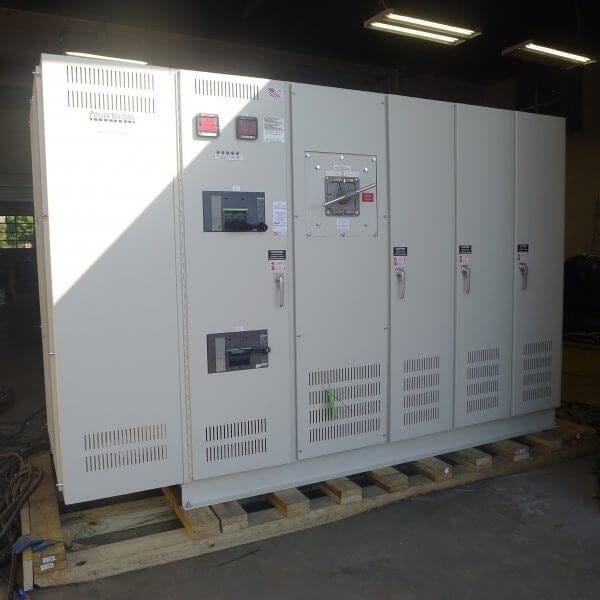
High voltage switchgear systems are the workhorse of the electrical power industry, and as such, precision engineering is coupled with operational excellence. These are the most important elements that power transmission systems that supply reliable electricity between the generation plants and the final consumers. Not only is the art of reliability in power systems a technical matter, but it is also a complicated matter. High voltage switchgear installations are not equipment assemblies. They represent several decades of engineering development, including sophisticated protection measures, smart monitoring systems, and backup systems that ensure the functioning of our modern world. The fundamental cause of this success of operation and grid stability of this current dynamic energy world is directly associated with the general understanding of these systems by the people The Evolution of High Voltage Switchgear Technology Modern electrical switchgear has undergone an incredible metamorphosis since the primitive oil-filled circuit breakers and mechanical protection relays were first used. Modern installations are fitted with advanced digital protection systems, advanced communication protocols, eco-friendly insulation systems that would barely have been a possibility only 20 years ago. The removal of the traditional air insulated switchgear and the various gas insulated equipment has altered the shape of space availability in substations. Where the old system required large outdoor lawns, the new small-scaling designs enable the utilities to invest heavily in their systems, but with little effect on the environment. This has been of particular benefit in urban locations where land is limited forcing new engineering practices. Gas-insulated switchgear or GIS has become the technology of choice in the above-72.5 kV voltage range. These systems use sulfur hexafluoride (SF6), which is both an arc-quenching agent and an insulation medium, and offer excellent performance in tight enclosure packages. The hermetically sealed structure does not cause weather-related outages and it reduces the maintenance requirements as compared with the alternative variants. Key Components Driving Modern Switchgear Performance High voltage switchgear breakers represent the most critical elements within any switchgear assembly. These complex devices should also be able to reliably interrupt fault currents up to 63 kA and still provide perfect isolation in normal operation. The engineering tasks required to reach these performance levels require a close familiarity with arc physics, contact materials, and mechanisms of operation. The use of vacuum interrupters has transformed medium voltage applications and is far more reliable with higher maintenance intervals. Such devices take advantage of the excellent dielectric performance of vacuum to provide dependable current break with little contact erosion. The result? Switchgear applications that provide decades of reliable operation with minimum maintenance. Protection and control systems based on modern technologies are fully integrable with electrical switchgear installations, which offer full monitoring and automated response. Digital relays constantly measure the state of the system and, based on the measurements, predictive maintenance plans can be implemented to avoid expensive unplanned outages. This is a fundamental integration of reactive to proactive system management. Critical Selection Criteria for Utility Applications To choose the suitable switchgear with high voltage, it is necessary to thoroughly analyze numerous technical and operating parameters. The voltage levels of a system, the magnitude of fault currents, the environmental conditions, and operational needs all have an impact on the best solution to any given application. There are two specification parameters that are commonly used on the basic impulse level (BIL) and rated voltage. These values should be able to support not just the normal operating voltages, but also temporary overvoltages caused by switching activity and lightning strikes. In conservative engineering, there must be sufficient safety margins to maintain certain levels of reliable performance in all the foreseeable circumstances. The capability of the switchgear to interrupt fault conditions safely is defined by short-circuit current ratings. Such ratings should reflect maximum fault levels in the entire planned system operational life, taking into account future system expansion and interconnection opportunities. Ineffective fault current capacity can result in catastrophic equipment failures whose consequences, both in safety and economic terms, are dismal. Environmental Considerations and Standards Compliance Special challenges of electrical switchgear installations to the East African operating conditions are presented. Both high surrounding temperatures and changes in humidity and ingress of dust affect equipment performance and life. These environmental factors should be properly specified to allow reliable operation during the design life of the equipment. Other global standards like the IEC 62271 series give specific guidelines on how to design, test and use the switchgear. The standards are not only promising it to be globally compatible in the supply chain, but it is also promising them the best standards in safety and performance. It is increasingly being required that international standards are met by all new installations by regional utilities. Seismic considerations have since become eminent in the wake of the natural disaster vulnerability of infrastructures revealed in the past. Seismic qualification testing of modern switchgear is designed in such a way that the integrity of the structure and continuity of operation are preserved during the seismic event. This is a vital capability needed to maintain grid stability in case of an emergency situation. Installation and Commissioning Excellence Correct installation practices have direct effects on both performance and reliability of switchgear over its operational life. The methods of foundation design, cable termination and auxiliary system integration all demand extreme attention to detail in the construction stage. Specifications of foundations should be able to meet requirements of both constant loads on equipment and dynamic loads which occur during switching. Poor foundation design may cause the development of mechanical stress concentrations that weaken the integrity of equipment with time. Professional installing teams are aware of such requirements and introduce proper solutions in the projects since the beginning. One of the most important parameters of long-term system reliability is cable termination quality. Very high voltage connections require special methods and materials in order to provide sufficient electrical and mechanical performance over the entire range of operating conditions. Misuse of termination is always one of the major causes of switchgear failure when used
How Much is the Cost to Install HVAC and Ductwork?

Manufacturing facilities need sophisticated climate control systems for more than keeping the environment comfortable. Installing HVAC systems along with the associated ductwork represents a major capital expenditure that impacts operational efficiency, product quality, and profitability in the long run. Understanding how these facilities impact cost will require an in-depth analysis of the various considerations that impact the pricing models. The strict environmental and specialized air handling requirements alongside the need for multi-system integration makes the manufacturing HVAC system complex. Unlike commercial office buildings, manufacturing plants have requirements for eliminating contaminants and highly specialized ventilation for process equipment. These factors increase initial investment, but recovery is seen through better production quality and meeting regulatory requirements. Understanding Base Cost Components for Manufacturing HVAC Systems The foundation of any HVAC and duct installation cost calculation begins with understanding the core system components. Manufacturing facilities typically require industrial-grade equipment designed to handle larger volumes, more demanding operating conditions, and continuous operation cycles. The primary cost drivers include air handling units, ductwork materials, control systems, and specialized filtration equipment. Equipment costs alone can range from $15 to $35 per square foot for basic manufacturing spaces, with specialized facilities reaching $50 to $80 per square foot. These figures reflect the robust nature of industrial HVAC equipment, which must withstand harsh operating conditions while maintaining consistent performance. High-efficiency motors, variable frequency drives, and advanced control systems contribute significantly to upfront costs but provide substantial energy savings over the system’s lifecycle. Labor costs represent another substantial portion of the total investment. Skilled technicians capable of handling complex industrial installations command premium rates, particularly in specialized manufacturing environments. The installation process often requires coordination with other trades, temporary shutdowns of production lines, and adherence to strict safety protocols that can extend project timelines and increase labor expenses. Ductwork Material and Installation Considerations Under specific processes and environmental conditions, the HVAC ductwork for manufacturing environments requires a distinct focus on the materials used. For basic processes, galvanized steel ductwork is often used; however, more advanced processes tend to require aluminum, stainless steel, or other specially coated aluminum materials that resist corrosion or chemical exposure. The layout and the routing of ductworks in a manufacturing facility have unique challenges and complexities. The layout of the building’s safety features, ceiling and floor cranes, and various machines all have an impact on the cost of installation and ductwork. The time-consuming installation of custom hangers and specialized infrastructure increases cost. Ductworks in manufacturing facilities have different insulation and energy efficiency needs compared to other commercial facilities. Noise control, energy efficiency, and insulation have to be more robust. Because of the factors stated, manufacturing environments require superior insulation. Even though these factors can increase the cost of basic ductworks, they have long-term benefits to the facility. Facility-Specific Factors Affecting Installation Costs The basic floor area of a building is not the only factor that impacts an HVAC system. The type and layout of a manufacturing facility coupled with the existing features impact HVAC system installation costs. Moreover, existing roofs, the infrastructure, and the height of the building all have an impact. In facilities where the ceiling is more than thirty feet, overhead cranes are more difficult to maneuver. Therefore, the materials and labor needed greatly increase. The food processing industry is food processing facilities, air sanitization and filtration systems and enhanced systems and food industry fabrication facilities and sections. Precision and filtration is vital in advanced industries like aerospace, biotechnology, and pharmaceutical engineering. pharmaceutical industry pharmaceutical manufacturing facilities hot air systems and static air filtration electronics manufacturing industry. ultra clean air systems at high cost and extreme filtration to remove dust and static control systems air filtration electronics ultra clean pricing. Regional and Market Dynamics Geographic location within manufacturing regions affects both material costs and labor availability. Remote industrial locations may incur additional transportation costs for equipment and materials, while urban areas often face higher labor rates and more complex permitting requirements. Seasonal factors also influence pricing, with peak construction periods commanding premium rates for skilled installation crews. Local building codes and environmental regulations create additional cost variables. Some regions require enhanced energy efficiency measures, specialized environmental controls, or extensive documentation and commissioning procedures that increase project complexity and duration. Understanding these regional requirements early in the planning process helps avoid costly surprises during implementation. Advanced System Features and Technology Integration Modern manufacturing HVAC systems increasingly incorporate sophisticated control systems and monitoring technologies that enhance operational efficiency while adding to initial HVAC duct installation cost calculations. Building automation systems, energy management platforms, and predictive maintenance technologies represent significant value additions that justify higher upfront investments through operational savings and improved system reliability. Variable air volume systems, demand-controlled ventilation, and energy recovery equipment have become standard features in efficient manufacturing HVAC designs. While these technologies increase initial costs by 15-25%, they typically provide payback periods of 3-5 years through reduced energy consumption and improved system performance. Integration with existing manufacturing systems requires specialized expertise and custom programming that commands premium pricing. However, this integration enables optimized operation based on production schedules, process requirements, and energy cost management strategies that provide substantial long-term value. Maintenance and Lifecycle Cost Considerations HVAC ductwork installation decisions should consider long-term maintenance requirements and operational costs. Higher-quality materials and installation practices reduce maintenance frequency and extend system life, while lower-cost alternatives may require more frequent service and earlier replacement. Accessibility for maintenance during the design phase prevents costly modifications later when service requirements become apparent. Preventive maintenance programs become crucial for manufacturing HVAC systems due to their critical role in production quality and regulatory compliance. Systems designed with maintenance accessibility and diagnostic capabilities reduce long-term operational costs while ensuring consistent performance throughout their operational life. Cost Optimization Strategies for Manufacturing HVAC Projects Achieving successful cost management for manufacturing HVAC installation rests on balanced active strategies that consider future operational costs and spending. During the design phase, value engineering can be used to enhance the system’s HVAC performance while controlling costs with
Optimizing Power Distribution Using LV MV Electrical Switchgear
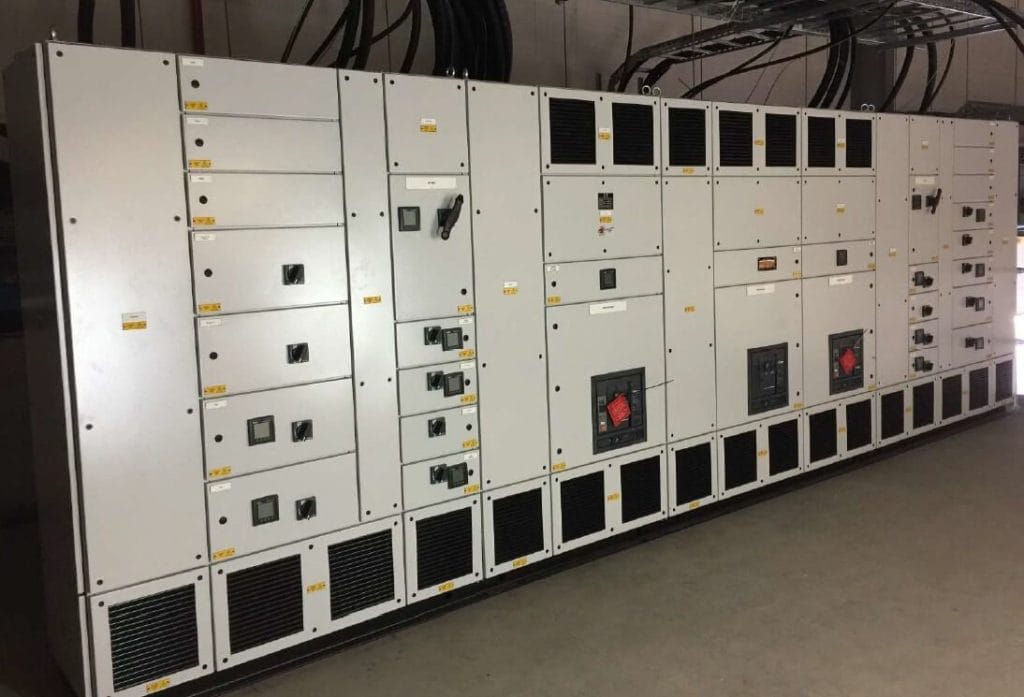
The nature of industrial manufacturing processes requires the highest levels of electrical reliability such that even short-lived power outages can lead to massive losses of production and damage of equipment. Lv mv electrical switchgear is the core of this electrification system, the latest control and protection system, which is used to supply electricity in the whole manufacturing facility. These fundamental elements are linked to the brain of the industrial electrical networks which will organize the flow of power and which will ensure the required protection of the failures of electricity and malfunctions of work. Modern manufacturing processes have increased the significance of the lv mv electrical switchgear past the rudimentary switching capabilities. The current installations are combined with high features of tracking operations, high predictive maintenance and intelligence of the control system that is also the safest among all. Operational excellence and bottom-line performance will directly depend upon the capability to understand the capabilities of these systems and the most optimal method to deploy the latter. These progressive electrical distribution systems are applied in manufacturing facilities of different industries to ensure that all production processes remain within a continuous cycle, to invest in costly equipment and to ensure the protection of the employees. The choice and deployment of the right switchgear solutions can be the difference between a seamless operation process and an expensive downtime incident that spills over to whole supply chains. Understanding Modern Switchgear Architecture What then is electrical switchgear in relation to industrial manufacturing? In its simplest form, switchgear is a combination of electrical disconnect switches, fuses, circuit breakers to operate, protect, and isolate electrical equipment. But, current industrial uses require much more advanced features than this simple definition would imply. Modern switchgear electrical systems are designed with intelligent protection schemes, extensive monitoring and complex communication protocols, which allow a smooth integration with facility management systems. These installations must be able to operate with complex load profiles, deliver the capacity to alternate frequently, and be able to operate consistently under hostile industrial environmental circumstances. The creation of digital protection and control platforms instead of clunky electromechanical systems has revolutionized switchgear. Modern installations provide real time power quality and harmonic analysis and energy consumption measurements that can support operational choices using data. This technological breakthrough allows manufacturing operations to maximize energy consumption and still achieve the levels of reliability required by the continuous production processes. Low Voltage vs Medium Voltage Applications LV/ MV electric switchgear systems possess one hundred percent different applications and are specialized to certain voltages and usage. Low voltage switchgear typically work with distribution voltages up to 1000 V AC, and serve final distribution circuits, which feed individual production equipment and lighting systems and facility infrastructure. Medium voltage systems operate in distribution voltages of 1kV to 35kV, and are often the main backbone of distribution in large manufacturing plants. These systems are powered by utility sources and feed power to other production areas and support systems via facility transformation systems. The interaction between LV and MV systems form on-demand orchestrated distribution architectures that are operationally flexible. It is necessary to coordinate properly between voltage levels to provide selective operation of protection and to reduce the effect of local faults on the operation of the entire facility. Critical Design Considerations for Manufacturing Applications The design of industrial electrical switchgear boxes must address the special requirements of manufacturing processes, where extreme conditions, heavy switching, and variable loads subject equipment to stress. The temperature, humidity, and levels of contamination are all environmental factors that determine the choice and specification of switchgear. Problems in the design of switchgear are unique to motor starting applications because large induction motors cause large inrush currents that can overly stress distribution systems. Intelligent motor control centers are built into advanced switchgear installations to optimize starting sequences and to guard both motors and distribution equipment against excessive stress conditions. Considerations of power quality have become important because manufacturing processes are becoming more sensitive to voltage variations, harmonics and other electrical disturbances. Newer switchgear systems incorporate power quality measurement and correction features that ensure stable electrical conditions to delicate production devices. Protection Scheme Optimization Selective coordination is one of the basic needs of industrial switchgear installations, in which each circuit breaker is activated only in cases of abnormal conditions and only the circuit breaker nearest to a fault is activated. Such selectivity reduces loss of production and ensures that personnel are kept safe within the facility. The mitigation of arc flash has now become a vital design factor as people have become more conscious about safety issues in the workplace. New switchgear models have arc-resistant enclosures, remote control, and lower-energy maintenance processes which minimize on-the-job exposure of personnel to electrical hazards. Ground fault protection schemes should be able to accommodate the grounding philosophy used in industrial systems along with the required sensitivity to protect personnel. Grounded systems with high resistance are typical of industrial applications, and demand protection methods that are very different in nature than utility distribution practice. Advanced Control and Monitoring Systems Lv mv electrical switchgear capabilities have been revolutionized with digital protection and control systems that are thoroughly, fully, monitored and automated response functionality that is far superior to electromechanical relay capabilities. These systems constantly monitor electrical parameters in order to take corrective actions based on predictive maintenance policies that prevent expensive unscheduled failures. In order to allow seamless interface with the facility management systems which are used to centralize the monitoring and control of the system, Modbus, DNP3 and IEC 61850 communication standards are used. This integration can help streamline the energy management policies, and it also minimizes the number of staff needed to regularly monitor the system. Data analytics tools take large amounts of operational data and transform it to define performance pattern and maintainability requirements. The machine learning algorithms keep improving their predictive performance to allow scheduling of maintenance and maximize the use of resources in the manufacturing processes. Energy Management Integration Smart grid technologies are changing the
Automatic Voltage Regulator Stabilizer for Industrial Operations
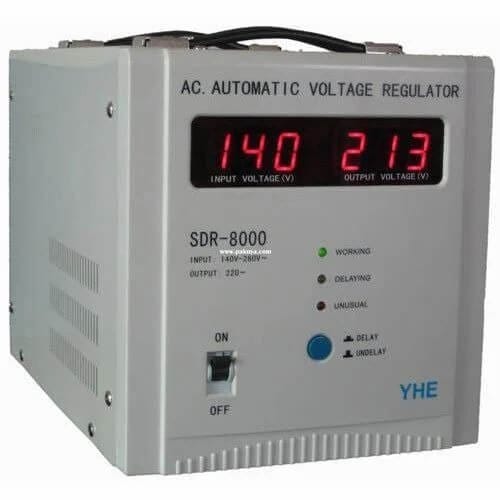
The industry power systems will be challenged to a new level in terms of ensuring stability in the voltage as the electrical loads continue to grow more sophisticated and, at the same time, more sensitive to changes in the quality of the power. Voltage regulator stabilizer systems (introduced as automatic), have become the primary method to provide continuity in operation of manufacturing plants, processing plants and commercial installations where fluctuations in voltage may result in costly production pauses and equipment destruction. The electrification of modern industries requires electrical equipment whose work is most efficient at specific voltages. Variable frequency drives, programmable logic controllers, sensitive electronic systems all need stable conditions of power supplies to operate. These systems may fail when the supply voltage is not within acceptable ranges, or may fail suddenly, or may be damaged permanently with serious operational and financial implications. The complexity of the modern power distribution networks has increased the voltage stability problem as additional sources of renewable energy are added, and the loads of industry vary. These problems are solved with the technology of automatic stabilizers of voltage regulators, in the latter case high-technology control devices that constantly regulate and keep the voltage in a network at the most optimal operating values in respect to a variation of supplies or an increase or decrease in load is supplied. Understanding Voltage Regulation Fundamentals So what is the purpose of a voltage regulator in an industry power system? Voltage regulation, in its simplest form, is keeping electrical supply voltage within a given tolerance range regardless of changes in the input supply conditions or the loads connected to the supply. This role is all the more important with the introduction of more sensitive electronic devices into industrial processes, which are unable to withstand voltage variations outside of small operating ranges. Conventional voltage regulation based on mechanical switching systems and electromagnetic transformers reacted slowly to an increase or decrease in voltage. Newer automatic voltage regulation designs include electronic switching, digital control algorithms and real-time monitoring features that allow quick reaction to changes in voltage and they are much more accurate and reliable. The basic idea of automatic voltage regulation is to constantly check the output voltage, compare it with the reference values, and automatically adjust the regulation equipment to achieve desired voltages. Using this closed-loop control, a tightly regulated voltage is maintained when the load changes or when the supply voltage varies rapidly. Control System Architecture Modern-day automatic voltage regulators are controlled by complex microprocessor-based systems that constantly measure electrical parameters and use the best regulation strategies. To obtain the correct regulation responses, these systems compute and react to a multitude of input signals including magnitude of voltage, frequency, phase relationships and load characteristics. Digital signal processing can support more sophisticated filtering routines that can discriminate between momentary voltage changes and persistent voltage anomalies. With the help of this discrimination, the regulation systems can respond appropriately to all types of voltage disturbance and avoid unnecessary switching activity that can cause further disturbance of the system. These are new regulation systems that include the communication interfaces that can allow remote monitoring and control of the system with a centralized power management system. They also address real time status reporting, the alert message, history that might be used in the operations decision making process, or in planning a preventive maintenance of such interfaces. Industrial Applications and Performance Requirements Voltage control systems are particularly challenging in manufacturing facilities, which have a broad range of load characteristics and very high performance needs. When large motors start, they cause large voltage dips that can disrupt sensitive equipment in the whole facility. AVS systems should be able to react quickly to such disturbances and then stabilize the voltage across other loads on the system. Due to their requirements to offer the product quality and guarantee product consistency, the chemical processing, the pharmaceutical production, and food production are considered to be process industries that require highly stable voltage conditions to be offered. Changes in voltage may also change reaction rate, influence accuracy of temperature control, and weaken quality control systems which measure important process parameters. Telecommunications facilities and data centers are some of the most demanding applications in which short voltage spikes can cause expensive system outages. To achieve continuous operation of important computing and communication systems, these facilities must have control systems that have response times of milliseconds and voltages to very narrow tolerances. Load Characteristic Considerations Complex current waveforms due to nonlinear loads like variable frequency drives, switched-mode power supplies, and electronic ballasts can be a challenge to more conservative methods of voltage regulation. Contemporary regulation systems should be able to take into account these load properties without compromising voltage stability or amplifying harmonic distortion that may cause system performance problems. Motor loads become dynamic regulation problems since the starting current may be six to eight times the normal running current which causes significant voltage dips that extend to other equipment connected. State-of-the-art regulation systems have predictive algorithms to predict starting events at the motor and pre-regulate regulation equipment to reduce voltage disturbances. Regenerative loads like braking, energy recovery equipment can re-introduce power to the electrical system, which results in voltage rise conditions that still require regulation systems to facilitate bidirectional power flow without negatively impacting the stable voltage conditions. Technology Evolution and Modern Implementations Development of the electronic voltage regulation technology has taken many years since the introduction of magnetic amplifier systems, and currently a solid state system is efficient, reliable and superior. Recent automatic voltage regulators have used power electronic switching devices such as IGBTs and MOSFETs that have allowed high switching speed with very low losses and very fine control. Regulation systems that use transformers are still used in high-power applications where galvanic isolation is of significant importance, and efficiency is also a factor. Examples of such systems are on-load tap changers or buck-boost transformers or variable ratio transformers, in which the voltage can be adjusted by controlled transformer ratio
Custom Medium Voltage Switchgear for Complex Infrastructure Projects
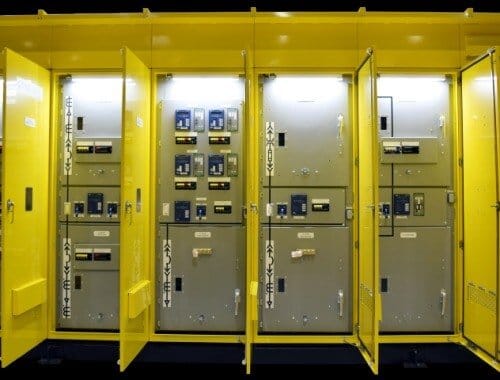
Mass infrastructure development requires an electrical solution that is not only beyond the capabilities of off-the-shelf offerings but also specific and detailed engineering solutions, utilizing unique operational needs, environmental limitations, and performance criteria. Custom medium voltage switchgear is the highest level of electrical engineering achievement, where specialized design skills are applied to meet the rigorous project demands in order to provide infrastructure solutions with a service life of decades. The nature of the modern industrial procedures, power generation plants and the power distribution network requires switchgear systems capable of facilitating individual voltage values, fault current values, and operating features that, quite literally, cannot be found with standardized equipment designs. These specialized installations combine superior protection programs, special enclosures, and unique operational characteristics that maximize performance of a specific application. Modern custom medium voltage switchgear projects include both mining projects which may need explosion-proof enclosures and data centers that may need unprecedented reliability and accuracy. All applications have different engineering issues, which need a close familiarity with the basic electrical concepts, as well as industry specific needs in order to create the best solutions. The Engineering Foundation of Custom Solutions Customization of medium voltage metal enclosed switchgear begins with comprehensive project based analysis of project requirements, environmental conditions, and operating objectives. Typical switchgear designs are often not suitable to meet the unusual voltage levels, fault current ratings and operating conditions required by large scale installations, and require special engineering solutions that consider all aspects of system operation. On-site environmental factors are very crucial to the customization requirement, particularly where they are installed in extreme climatic conditions or geographical locations that cannot be reached easily. Higher or lower temperatures, humidity changes, altitude factors, and seismic needs all necessitate unique design adaptations that will provide dependable performance over the duration of the equipment life. Fault current analysis is a fundamentally important basis to design custom switchgear as large-scale projects do have fault current levels that are well above the standard equipment ratings. Special purpose interrupting equipment, special structural design, and coordinated protection programs would be needed to reliably respond to such a high fault condition. Advanced Protection Integration Individual protection schemes are one of the most advanced areas of electric switchgear customization, as the standard protection features need to be supplemented by special algorithms and specific coordination conditions, and project-specific working logic. Such systems frequently combine a variety of protection capabilities in individual devices and still achieve the selectivity and reliability required in critical infrastructure systems. Tailor installed solutions are increasingly challenging to apply arc flash reduced methodologies as the standard calculational techniques can be inappropriate to some aberrant system designs or fault clearance procedures. Special arc-resistant designs, increased specifications to personal protective equipment, and changed or adapted work procedures are common features of custom solutions and designed to minimize exposure of personnel. Special issues when integrating the communication and control system are found when dealing with unique switchgear projects, where standard communications protocols must be tailored to accommodate specialized SCADA systems, specialized data requirements, and project-specific operational interfaces. These integrations typically require bespoke software and dedicated hardware systems that ensure the successful functionality of the system. Project-Specific Design Considerations The needs of large-scale projects may necessitate unusual switchgear settings to meet unusual voltages, unusual grounding, or unusual operational behavior that cannot be fulfilled by standard product offerings. Specific medium voltage switchgear solutions should be designed to accommodate these special requirements without compromising the reliability and safety of an important infrastructure installation. Customization requirements are often driven by space constraints, especially in urban installations or retrofit projects where space constraints based on available infrastructure require small scale designs or odd shapes. Bespoke solutions are capable of maximizing space usage with custom layouts and integrated designs coupled with novel mounting setups that make in-house space the most efficient and productive. The needs of operational accessibility can differ greatly according to the type of installations, affecting not only maintenance access design but also operational interface settings. Tailor-made switchgear packages can feature special access controls, remote operation and easy-to-use designs that provide the greatest efficiency in operation over the long term. Environmental Adaptation Strategies They may require special enclosure designs, increased anti-corrosion, and special ventilating designs that can sustain normal working in severe ambient conditions. Bespoke designs may use marine grade materials, special finishes, and superior sealing mechanisms that resist environmental degradation of internal components. With renewed understanding of the vulnerability of the infrastructure during natural disasters, seismic considerations have become the frontline in the design of custom switchgears. Individual solutions may include an upgraded structural design, special mounting and adjustable interconnections to make the system seismic earthquake resistant. A custom installation is one such area where temperature control has been especially troublesome due to the likelihood of failure or inconvenience in utilizing common means of ventilation. Specific cooling and thermal controls, and temperature regulators that ensure safe use under severe thermal conditions may be added to the custom systems. Manufacturing Excellence and Quality Assurance The switchgear suppliers who provide custom solutions should have far greater manufacturing capacity than the standard product lines. Custom manufacturing of switchgears requires specialized fabrication equipment, a large test capability, and quality assurance program that ensures all custom installations are fabricated to the rigorous specifications required by large scale constructions. Custom switchgear installation Factory acceptance testing Programs normally include a complete testing program to confirm all facets of system functionality, protection operation and mechanical operation. These testing programs usually involve specific test equipment, test procedures unique to the test and long testing schedules that fully establish system performance prior to shipment. A custom project would typically be documented more than a product and would contain more detailed engineering drawings, detailed test reports and special maintenance procedures that would lead to long term operational success. This documentation should frequently address various stakeholder needs without losing the technical description that is required to operate and maintain the system successfully. Advanced Testing Methodologies Custom switchgear installations will often have specialized test procedures that
How an Automatic Voltage Regulator for AC Transforms Commercial Building Operations
Quality of power, also, has taken the centre stage in the functioning of commercial buildings which have now come to realise that a slight variation in the voltages can cause domino effects in the critical systems. One of the fundamental modifications of the reactive maintenance method to the active power management, where the voltage delivery does not vary with grid instabilities and load variations, is the automatic voltage regulator of AC systems. Voltage regulation technology has much more to do with how the equipment is preserved than merely how the business, which is increasingly becoming an electrical place to operate, continues to do so. Today, commercial buildings contain advanced electrical loads that require fine-tuning of voltage. Be it variable frequency drives to power HVAC systems or sensitive IT infrastructure to power business operations, any fluctuation in the voltage can directly translate into equipment degradation, unplanned outages and heavy financial losses. Installation of effective automatic voltage regulation systems has thus gone beyond being a desirable addition to infrastructure to being a necessity. Understanding Automatic Voltage Regulation Technology Principles behind successful voltage control have their basis on the response of the automatic voltage stabilizer system to an electrical anomaly. Voltage variations in modern commercial buildings occur due to a variety of sources: utility grid, internal load switching, non-linear load harmonic distortion and transient effects such as lightning or switching activity. Depending on the disturbances, the voltage can vary greatly compared to the nominal values, which poses problems in the operations of any equipment that goes well past the scope of basic equipment failure. What is automatic voltage regulation in principle? These are achieved by continuously monitoring the received level of voltage, making real-time comparisons to pre-established setpoints, and making corresponding adjustments using one of several correction mechanisms. Modern stabilizer automatic voltage regulator systems (compared to statical voltage regulation techniques) utilize dynamic control algorithms, so that the voltage regulation system can react to voltage variations within milliseconds, and provide continuous protection to loads that are connected to the system. The technology includes multiple different methods of voltage correction. Tap-changing transformers include adjustment of voltage in steps with mechanical switching of transformer taps to offer excellent robust operation with a fixed switching latency. Electronic voltage regulators rely on semiconductor devices and handle stepless, continuous voltage correction with very short response times but potentially also with harmonic content. Voltage regulators driven by a servo command incorporate both mechanical accuracy and electronic control to provide high accuracy voltage regulation needed in sensitive commercial applications. Key Components and Operating Principles In modern automatic voltage regulator system there are several subsystems that are combined to provide the best output. The sensing circuit continuously receives the feedback of the input voltage by the action of fine voltage transformers, and is fed back into the control system. Control unit may also have microprocessor-based logic and receives a voltage input and determines what corrections must be made based on a programmed parameter and response characteristics. The purpose of the power correction stage is quite different depending on the type of regulator, but all are intended to provide consistent output voltage despite variation at the input. Buck-Boost transformers are bidirectional, voltage correcting, series connected windings that allow either voltage boosting or voltage cutting over a specified range. The correction field is typically between 15 per cent and 20 per cent of nominal voltage, which covers most variations in utility supply that are found in commercial applications. Protection systems are part of the voltage regulation equipment that protects the equipment itself and loads against unusual operating conditions. Output protection circuits control voltages by continuously measuring them and starting a shut down sequence at voltages above safe operating limits. Higher than normal load currents are responded by an overcurrent protection and could indicate a downstream fault or equipment failure. Commercial Building Applications and Benefits Use of automatic voltage regulator in AC systems of commercial buildings is applicable to a wide range of electrical load with various voltage sensitivity profiles. HVAC systems, which gives up the highest electrical power in most commercial facilities, enjoy the stability of the voltage supply. Equipments powered by motors like chillers, air handling units and circulation pumps perform better and last longer when they are used at peak voltage. Controlled voltage conditions have proven to enhance the performance of lighting systems particularly when an electronic ballast or LED driver is employed. Lighting can have visible flicker caused by variances in voltages, color temperature variations, and lower service life of the luminaire. The use of extensive voltage control guarantees the stabilization of light output and helps to achieve the greatest returns on lighting system investments. Computers, servers, and telecommunications infrastructure are electronic equipment that is sensitive to the availability of the steady supply of voltage. Although internal voltage regulation is provided in many modern electronic devices, upstream voltage stability minimizes stress on internal voltage regulation systems and increases reliability. Automatic voltage stabilizers that finely adjust the voltage when the load condition changes are also being used in the data centers and server rooms. Energy Efficiency and Cost Implications Automatic regulation based on voltage optimization provides quantifiable amounts of energy savings in commercial buildings. The efficiency of most electrical equipment is optimum at nominal voltage, and efficiency decreases when the voltage is not within design specifications. Motors can operate with lower efficiency and consume more energy when running at the inefficient voltages that make up a large part of commercial building electrical loads. Voltage and energy consumption relationships depend on the type of the load but tend to be predictable. Resistance loads like heating elements require power that is proportional to the voltage squared, that is, when there is overvoltage, the energy consumption is excessive and leads to rapid equipment wear. More complex voltage-power characteristics characterize motor loads but usually show optimum efficiency in small ranges of voltages near nominal values. Lighting systems have been sensitive to voltage optimization and the vast majority of technologies suggest reduced power consumption and increased
KVA Rating on Transformer: Critical Specifications for Optimal Power System Design
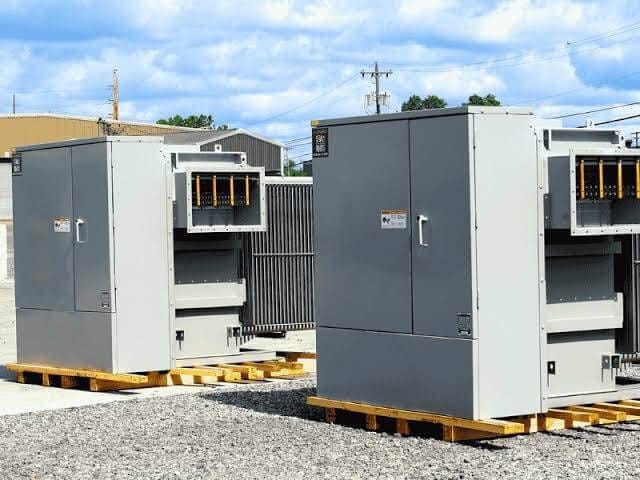
Understanding the KVA rating on transformer is one of the most basic things in electrical engineering that affects system reliability, efficiency and cost. The kilovolt-ampere rating is the foundation for selecting, sizing and applying transformers in various industrial and commercial environments. When engineers look at transformer specifications, the KVA rating tells them about the transformer’s ability to handle apparent power. This rating includes both active power (in kilowatts) and reactive power (in kilovars) so it’s a total power handling capability of the transformer. The KVA rating on transformer nameplate is the maximum continuous load the unit can carry without exceeding temperature limits or compromising insulation. Modern power systems require precise calculations and careful consideration of load characteristics when determining transformer ratings. The relationship between voltage, current and apparent power is the reason why KVA ratings matter more than just wattage in transformer applications. Understanding Transformer KVA Fundamentals Kva transformers are based on the concept of apparent power that is a combination of real and reactive power. Most industrial and commercial loads have dependent power factors and thus they do not affect the correlation between KVA and actual power consumed as is the case with simple resistive loads where the power factor is unity. Transformer KVA ratings are set up on thermal, but not electrical, limitations. The windings produce heat which is proportional to the current flowing through windings and is independent of the power factor. This thermal limitation is the limit to the steady current that the transformer may have without overheating. The meaning of what is a KVA transformer would be better understood when we think of the fact that rating of the transformer depicts its capability to deliver apparent power at rated voltage and frequency. Calculation is by rating the voltage by the current rating in each winding. In three-phase transformers, this relation takes into consideration the square root of three factor, which takes into consideration the phase relationships. The limiting factor in the transformer operation is temperature increase. The KVA rating is to provide that the transformer is not operated above acceptable temperature limits under full load conditions that will prevent insulation breakdown and reduce the life of the insulation material. An overload will cause the heating, accelerated aging, and even failure. How to Calculate KVA of Transformer How to calculate KVA of transformer involves several methodologies depending on available information and application requirements. The primary calculation method uses the fundamental relationship between voltage, current, and apparent power. For single-phase transformers, the basic formula is: KVA = (Voltage × Current) ÷ 1000 For three-phase transformers, the calculation becomes: KVA = (√3 × Voltage × Current) ÷ 1000 When working with existing installations, how to calculate transformer KVA often requires measuring actual operating parameters. Current transformers and voltage measurements provide the necessary data for determining actual KVA loading under various operating conditions. Load analysis represents another critical aspect of KVA calculations. Engineers must consider: How to find KVA of transformer ratings from nameplate data involves understanding manufacturer specifications and application factors. Standard ratings follow established increments, typically progressing through standardized values that facilitate proper selection and replacement procedures. Nameplate Information Analysis Transformer nameplates contain essential information for determining KVA ratings and application suitability. Primary voltage, secondary voltage, frequency, and KVA rating represent the core specifications that define transformer capabilities. Understanding nameplate data requires recognizing that manufacturers specify ratings under standard conditions. Temperature, altitude, and load characteristics may necessitate derating factors that affect actual usable capacity in specific applications. Practical KVA Rating Applications Load Calculation Methodologies Determining appropriate KVA rating on transformer specifications requires comprehensive load analysis that considers both present requirements and future expansion possibilities. Load calculations have to consider starting currents, diversity of operation and power factor characteristics of loads on the equipment. Motor starting is a major factor in the selection of KVA rating. Big motors can needed KVA ratings many times their full-load ones to support starting conditions without too much voltage drop. These requirements can be reduced by using variable frequency drives and soft starters, but those systems add harmonic considerations. Lighting loads, electronic loads, and the latest industrial controls cause complex load profiles that impact the criteria of selecting transformers. Non-linear loads can cause harmonics which can necessitate oversizing of transformers, or special filtering devices in order to ensure the system functions properly. Environmental and Application Factors Installation environment significantly impacts transformer KVA rating applications. Ambient temperature, ventilation, altitude, and load characteristics all influence the actual usable capacity of transformer installations. High-temperature environments may require derating transformers to maintain acceptable operating temperatures. Conversely, well-ventilated installations in moderate climates may allow operation near full nameplate ratings without thermal concerns. Advanced KVA Rating Considerations Harmonic Effects on KVA Ratings Modern electrical loads increasingly contain electronic components that generate harmonic currents. These harmonics create additional heating in transformer windings and cores, potentially requiring larger KVA ratings to handle the same fundamental frequency power. K-factor ratings help quantify transformer suitability for harmonic-rich environments. Higher K-factors indicate greater ability to handle harmonic currents without excessive heating or reduced life expectancy. Non-sinusoidal load currents increase the RMS current value without proportionally increasing useful power transfer. This phenomenon necessitates careful consideration of actual versus apparent power requirements when sizing transformers for modern electrical systems. Efficiency and Loss Considerations Transformer efficiency also depends on loading, and is usually greatest between 50 and 75 percent of the rated KVA. Insight into these efficiency curves assists the optimisation of transformer selection relative to the load profile and operating pattern. The value of the core losses is independent of loading, whereas the value of the copper losses depends on the square of the current. This connection has the economic optimization impact on transformer sizing, especially those that experience high load variation. Apparent power requirements may be reduced by the use of power factor correction equipment, which may enable smaller KVA rated transformers to be used without changing the transfer capability of the transformer (useful power). KVA Transformer Chart Reference Guidelines Standardized KVA ratings
Power Distribution Panel Board: Engineering Excellence in Modern Electrical Infrastructure
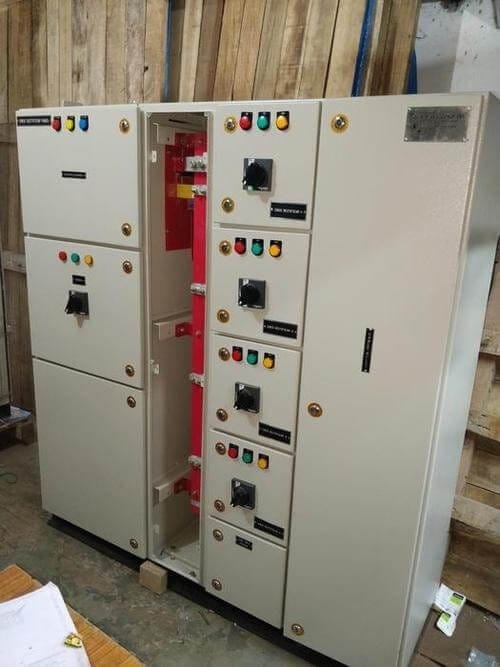
The backbone of any good electrical system is the ability to safely and efficiently distribute power throughout a building. At the heart of this infrastructure is the power distribution panel board, a clever piece of kit that is the nerve centre of electrical distribution in commercial, industrial and institutional buildings across East Africa and beyond. Modern electrical installations need more than just power distribution. They need intelligent, reliable and scalable solutions that can keep up with technological advancements while maintaining the highest safety standards. Understanding power distribution panel boards is key for engineers, facility managers and decision makers responsible for electrical infrastructure investments. Power distribution technology has changed the way we design electrical systems. From simple mechanical switches to digital monitoring systems, today’s power distribution boards have advanced features that improve operational efficiency, reduce maintenance costs and give you unparalleled system visibility. Understanding Power Distribution Panel Board Fundamentals A power distribution panel board functions as the central hub that receives electrical power from the main supply and distributes it to various circuits throughout a building or facility. Such systems are commonly used at medium voltage (MV) or low voltage (LV) depending on the application requirement and load requirement. Circuit breakers, protective relays, monitoring devices, and communication interface are the core elements of the modern power distribution boards. All of the components are essential to safe and reliable system-wide power delivery as well as real-time system status data to operators. One of the most important attributes of panel board design is circuit protection. Sophisticated protective devices are able to sense fault conditions in the milliseconds range, isolating the area affected but keeping power on to other circuits. Such selective coordination avoids unwarranted outages and the minimum downtime of critical applications. Intelligent features that are beyond simple protection are becoming the requirement of modern installations. The digital monitoring features can also offer rich details about power quality, energy consumption profiles, and equipment health. These characteristics allow predictive maintenance approaches that lead to a significant cost reduction in operations and system reliability. Advanced Design Considerations for Modern Applications Contemporary power distribution panel board design must address multiple complex requirements simultaneously. The role of thermal management has become very significant in the present-day electrical installations as they have been getting more and more power densities. The ventilation, dissipation of heat, and spacing of components allow optimizing the performance at different load levels. Another major hurdle in contemporary electrical design is space optimization. Sophisticated protection and monitoring equipment and the need to be maintained and operated should be fitted into compact low voltage switchboards. The modular systems provide the ability to expand in future as well as reduce the required initial footprint. Environmental concerns are much more influential in the use of panel boards. Coastal structures must be given extra protection against corrosion and facilities in dusty places must have proper IP ratings. High temperatures during hot conditions and low temperatures during cold conditions that are characteristic of some parts of East Africa require strong thermal design and selection of parts. Safety features have changed a lot compared to conventional protection programmes. Mitigation technologies such as arc flash, improved integration of personal protective equipment, and remote operation minimize exposure of personnel to electrical hazard. Such characteristics are especially valuable in high-energy applications in which arc flash events may result in serious consequences. Integration with Building Management Systems Modern power distribution boards are essential interfaces between electrical infrastructure and building management systems. Integration capabilities facilitate the centralized monitoring and control of the electrical distribution and HVAC, lighting and security systems. Communication protocols have been standardized to a small set of industrial Ethernet and fieldbus communications. Such systems facilitate a real-time data exchange, which allows complex energy management and demand response initiatives. Connection to cloud-based systems allows remote monitoring and sophisticated analytics. Intelligent load management features can optimize energy efficiency. Automatic load shedding, peak demand control and power factor correction systems collaborate with each other and reduce the cost of energy usage and still allow the system to operate as per requirements. Such capabilities are especially useful in areas where there is time-of-use electrical pricing structure. An efficient predictive maintenance capability is a remarkable step in the management of electrical systems. The constant observation of the major parameters allows noticing possible problems before they lead to the failures of equipment or unplanned outages. This method saves a lot when it comes to maintenance and enhances the reliability of the systems. Selection Criteria for Industrial Applications Choosing the appropriate power distribution panel board requires careful consideration of multiple technical and operational factors. Load analysis forms the foundation of proper system sizing, considering both current requirements and future expansion possibilities. Short-circuit analysis determines the interrupting capacity requirements for protective devices. Proper coordination studies ensure selective operation under fault conditions, minimizing the scope of outages during abnormal system conditions. These studies become particularly important in complex industrial facilities with multiple power sources. Reliability requirements vary significantly between applications. Critical facilities may require redundant configurations with automatic transfer capabilities, while standard commercial installations might rely on single-feed arrangements with appropriate backup provisions. Maintenance accessibility influences long-term operational costs significantly. Panel board layouts should accommodate routine maintenance activities while minimizing system downtime. Front-access designs and modular construction facilitate maintenance in space-constrained installations. Technology Integration and Future-Proofing The integration of digital technologies transforms traditional power distribution boards into intelligent system components. IoT connectivity enables remote monitoring, diagnostic capabilities, and integration with enterprise management systems. Cybersecurity considerations have become critical as electrical systems gain network connectivity. Proper security protocols, access controls, and network segregation protect critical infrastructure from cyber threats while enabling desired connectivity features. Scalability features ensure that initial investments remain viable as facility requirements evolve. Modular designs, spare capacity provisions, and standardized communication interfaces facilitate future upgrades without requiring complete system replacement. Compatibility with renewable energy sources becomes increasingly important as organizations pursue sustainability goals. Modern power distribution panel boards must accommodate bidirectional power flows, variable generation sources, and energy storage