
Power Factor Correction Device Technologies: Maximizing Electrical System Efficiency and Performance
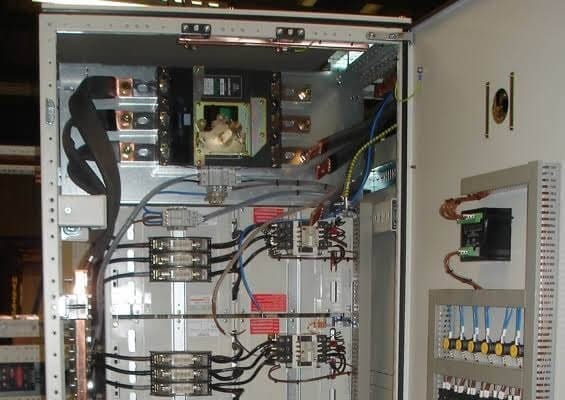
Effective power factor correction device technology is now a must have for industrial and commercial facilities to optimize their electrical system and reduce operational costs. As loads get more complex and utility companies get more stringent on power quality, understanding and implementing the right correction strategy has gone from nice to have to need to have. Modern electrical systems are facing unprecedented challenges from non-linear loads, variable frequency drives and sophisticated electronic equipment that introduces reactive power and harmonic distortion. The strategic deployment of power factor correction devices addresses these challenges and delivers measurable improvements in system efficiency, capacity utilization and operational costs. Today’s correction technology goes beyond traditional capacitor banks to intelligent and adaptive systems that responds to changing load conditions. These advanced platforms use real-time monitoring, predictive algorithms and automated switching to maintain optimal power factor under varying operating conditions. Professional electrical engineers and facility managers know that power factor correction is one of the most cost effective way to improve electrical system performance and reduce demand charges and extend equipment life. Understanding Power Factor Fundamentals Reactive Power and System Impact Power factor represents the relationship between real power (kW) and apparent power (kVA) in electrical systems, with poor power factor indicating the presence of reactive power that creates inefficiencies throughout the electrical distribution network. Inductive loads such as motors, transformers, and fluorescent lighting typically consume reactive power, leading to increased current flow without corresponding useful work output. The impact of poor power factor extends beyond simple efficiency concerns to include increased transmission losses, voltage drops, and reduced system capacity. These effects become particularly pronounced in industrial facilities with significant motor loads or commercial buildings with extensive HVAC and lighting systems. Utility companies increasingly penalize customers with poor power factor through demand charges and power factor penalties, making correction not just an efficiency measure but a direct cost reduction strategy. Understanding utility rate structures and penalty thresholds enables informed decisions about correction system sizing and configuration. Harmonic distortion compounds power factor problems by introducing additional reactive components that cannot be corrected through traditional capacitive compensation. This complexity necessitates sophisticated analysis and correction strategies that address both fundamental and harmonic reactive power components. Load Characteristics and Analysis Motor-driven equipment represents the largest source of reactive power consumption in most industrial facilities. Understanding motor loading patterns, starting characteristics, and operational schedules enables optimal correction system design and configuration. Electronic loads including variable frequency drives, computer equipment, and LED lighting systems introduce complex reactive power characteristics that vary with load conditions and operating modes. These loads require careful analysis to determine appropriate correction strategies. Transformer losses contribute to reactive power consumption, particularly under light load conditions when magnetizing current represents a significant portion of total current. Core losses and copper losses both impact power factor calculations and correction requirements. Load diversity factors influence correction system sizing since not all loads operate simultaneously at maximum capacity. Proper analysis of load diversity enables optimization of correction equipment sizing while avoiding over-correction conditions. Types of Power Factor Correction Devices Capacitor-Based Correction Systems Fixed capacitor installations provide cost-effective correction for stable loads with consistent reactive power requirements. These systems utilize high-quality power capacitors designed for continuous operation under varying voltage and temperature conditions. Automatic capacitor banks represent the most common power factor correction devices for facilities with varying loads. These systems utilize contactors or thyristor switches to connect capacitor stages based on reactive power demand, maintaining optimal power factor across different operating conditions. Detuned capacitor systems incorporate series reactors that prevent resonance conditions while providing power factor correction. These systems offer protection against harmonic amplification that can occur when capacitors interact with non-linear loads. Individual motor correction involves installing capacitors directly at motor terminals to provide correction at the point of consumption. This approach eliminates reactive current flow through distribution systems while providing additional benefits such as improved motor starting characteristics. Active Power Factor Correction Equipment Active power factor correction systems Active power factor correction systems employ power electronic converters capable of dynamic compensation of reactive power at millisecond response times. These systems are capable of supplying and absorbing reactive power as required and offer optimum correction even on fast changing load conditions. Static VAR compensators (SVCs) are a thyristor-controlled reactor coupled with fixed or switched capacitor to offer continuously variable reactive power compensation. The systems are good in applications that have fluctuating loads at a very high rate or applications that have high power quality requirements. Active filters combine both the power factor correction and harmonic filtering functionality, and are able to deal with several power quality problems at the same time. These systems offer complete solutions to the facilities where non-linear load component is heavy. Synchronous condensers are rotating machines used to inject reactive power and are very good voltage regulators. Although not as prevalent in newer installations, such devices provide better performance to certain applications with dynamic voltage support needs. Methods of Correcting Power Factor Implementation System Design and Configuration Techniques of power factor correction selection are based on system configuration characteristics, load characteristics and requirements. Effective system design is based on comprehensive load analysis that includes harmonic content, diversity factors and operation schedules. Facilities that require a wide range of loads and relatively constant total reactive power are cost-effective using centralized correction systems. These systems normally use automatic capacitor banks located at main distribution panels or utility interconnections. Distributed correction schemes use smaller correction devices distributed within the electrical system to achieve correction closer to reactive loads with less system losses. This solution provides better voltage control, and less stress on the distribution system. Group correction The group correction methods are more specific in that they are directed to specific types of loads namely motor control centers or lighting panels and have their own correction equipment. This method is both cost effective and flexible in its operations and makes maintenance processes simple. Control System Integration Modern correction systems integrate sophisticated control algorithms that optimize switching operations based on real-time power
Electrical Contractor Excellence: Navigating Complex Infrastructure Projects in Industrial Environments

The difference between a basic electrician and a sophisticated electrical contractor becomes more apparent when looking at modern industrial and commercial electrical projects. Today’s infrastructure needs require engineering expertise, project management and technical knowledge that goes beyond the traditional electrical installation work. Professional electrical contractors are the backbone of industrial development, managing complex power distribution systems, advanced automation technologies and mission critical electrical infrastructure that drives economic growth. They combine deep technical expertise with project execution capabilities to ensure complex installations meet performance, safety and reliability requirements. The evolution of electrical systems from simple power distribution to intelligent, connected networks has changed the role of electrical contracting professionals. Today’s projects require integration of multiple technologies including building automation, power quality solutions and complex control systems that need specialized expertise and experience. Knowing the capabilities, methodologies and value proposition of professional electrical contracting services is key for facility managers, project developers and industrial operators planning large electrical infrastructure investments. Professional Electrical Contractor Capabilities Project Engineering and Design Professional electrical contractors distinguish themselves through comprehensive engineering capabilities that encompass load analysis, system design, and performance optimization. These organizations use registered professional engineers that have knowledge on the intricacies of power distribution, motor control and automation systems of industries. The proper electrical system design is based on load flow analysis and fault current calculations. Advanced modeling software is used by experienced contractors to model with confidence on how systems will perform under different operating conditions with appropriate protection coordination and safety margins. The analysis of power quality has gained significance because facilities are also installing sensitive electronic equipment and variable frequency drives. Professional contractors are aware of the harmonic implications, the power factor requirements, and voltage regulation needs that affect the design of systems and equipment selection. The activity of specification development and vendor coordination is done to make sure that the requirements of the project are clearly understood and communicated accordingly to the project stakeholders. The process eliminates the ambiguity and guarantees that the supplied systems satisfy the demands of operations and performance requirements. Specialized System Integration Industrial automation integration represents a growing area of expertise for advanced electrical contractor company operations. These projects require understanding of programmable logic controllers, human-machine interfaces, and communication networks that connect manufacturing equipment with facility management systems. Motor control center design and installation involves sophisticated understanding of protective devices, starting methods, and control logic that ensures reliable operation of critical industrial processes. These installations require coordination with mechanical systems and process control requirements. Power factor correction system implementation requires specialized knowledge of reactive power compensation, harmonic filtering, and utility interconnection requirements. Professional contractors understand the complexities of modern correction technologies and their integration with existing electrical systems. Building management system integration involves coordination between electrical systems and facility automation platforms. This integration requires understanding of communication protocols, control strategies, and performance optimization techniques. Quality Assurance and Testing Comprehensive testing procedures distinguish professional contractors from basic electrical installation services. These procedures include insulation resistance testing, ground fault testing, and protective device coordination verification that ensures system safety and reliability. Commissioning services ensure installed systems operate according to design specifications and performance requirements. Professional contractors utilize systematic testing procedures that validate control sequences, protection settings, and integration functions. Documentation development includes as-built drawings, test reports, and operating procedures that support ongoing system maintenance and operation. Proper documentation facilitates troubleshooting and enables effective system management throughout the operational lifecycle. Training programs ensure facility personnel can operate and maintain installed systems effectively. Professional contractors provide comprehensive training that covers normal operation, emergency procedures, and basic troubleshooting techniques. Selecting Electrical Contractors for Complex Projects Evaluation Criteria and Qualifications Certified electrical contractor credentials provide assurance of technical competency and professional standards adherence. Master electrician licenses, professional engineering registrations, and industry certifications demonstrate commitment to professional excellence and ongoing education. Project experience in similar applications provides valuable insights into potential challenges and optimal solutions. Contractors with relevant experience can anticipate problems and implement proven strategies that reduce project risks and improve outcomes. Financial stability and bonding capacity indicate contractor capability to complete large, complex projects without financial constraints. These factors become particularly important for projects with extended timelines or significant material procurement requirements. Safety record evaluation reveals contractor commitment to worker protection and professional practices. Low experience modification rates and comprehensive safety programs indicate professional operations that minimize project risks. Technical Expertise Assessment Power system analysis capabilities demonstrate contractor understanding of complex electrical phenomena and system interactions. Advanced contractors utilize sophisticated analysis tools and techniques that ensure optimal system design and performance. Equipment specification expertise ensures appropriate technology selection for specific applications and operating conditions. Professional contractors understand equipment limitations, compatibility requirements, and performance characteristics that impact long-term system success. Code compliance knowledge encompasses local, national, and international standards that govern electrical installations. Professional contractors maintain current knowledge of evolving requirements and ensure installations meet or exceed applicable standards. Project management capabilities include scheduling, resource allocation, and quality control processes that ensure timely, efficient project completion. These capabilities become critical for complex projects with multiple stakeholders and interdependent activities. Industrial and Commercial Applications Manufacturing Facility Requirements Special electrical infrastructure is needed to host manufacturing equipment, process control systems and material handling automation. Professional electrical contractors understand the unique requirements of different manufacturing processes and can design systems that support operational efficiency and flexibility. Manufacturing equipment motor control systems need advanced starting technique, ability to control the speed and protective features that warrant dependable operation under changing loads. Such systems need to interconnect with production control networks, and at the same time have local control capabilities. Emergency power systems maintain the ongoing crucial manufacturing processes during utility failures. Professional contractors are also aware of the intricacies of generator sizing, transfer switch coordination and load prioritization that provide effective emergency operation. The considerations of maintenance accessibility affect the design of the systems and equipment arrangement. Professional installations also give sufficient space and access to maintenance in progress as well as safety of the workers
Electrical Contractor Selection: What Distinguishes Professional Excellence from Basic Service

Choosing the right electrical contractor is one of the biggest decisions in commercial and industrial project development and yet many organisations don’t understand the huge difference between basic electrical services and full contracting capabilities. In today’s complex electrical world the difference between maintenance work and project delivery has never been more important. Professional electrical contracting is more than just circuit installation or equipment replacement. It’s full project management, engineering analysis, system integration and ongoing support services that ensure electrical infrastructure performs at its best throughout its operational life. The complexity of modern electrical systems, combined with safety requirements and performance expectations means contractors need to have specialisation, proven methodologies and capabilities that go way beyond traditional electrical trade skills. Understanding these differences means informed decision making that protects your investment and delivers project success in commercial and industrial environments. Defining Professional Electrical Contracting Scope of Services and Capabilities Professional electrical contracting involves a full lifecycle project management including the initial conceptual design and continuing maintenance and optimization. The services combine an expertise in engineering with a capacity to construct, and offer turnkey electrical services. Design-build services integrate engineering design and construction implementation into a single-source of responsibility, which makes the delivery of the project more streamlined, but allows the design intent to meet the reality of the installation. This strategy lowers the risk in the projects as well as faster schedules. Value engineering services also point out the areas of cost and performance enhancements without reducing safety and functionality. The knowledge of the experienced contractors on alternative materials, methods, and technologies is used to increase the project value. System commissioning provides a way to ensure that systems installed in electrical systems are functioning as per the designs requirements and specifications. Before a system is accepted, professional commissioning tests control sequences, protection settings, and integration functions. Technical Expertise Requirements Power system analysis capabilities distinguish professional contractors from basic electrical service providers. These capabilities include load flow analysis, short circuit studies, and protective device coordination that ensure safe, reliable system operation. Motor control expertise encompasses understanding of starting methods, speed control technologies, and protection requirements for industrial motor applications. This knowledge ensures optimal equipment selection and system performance. Power quality engineering addresses harmonic distortion, voltage regulation, and power factor considerations that impact sensitive equipment operation. Professional contractors understand these phenomena and implement appropriate mitigation strategies. Automation system integration requires understanding of programmable logic controllers, communication networks, and human-machine interfaces that connect electrical systems with operational control platforms. Evaluating Best Electrical Contractor Candidates Technical Qualifications and Certifications Best electrical contractor evaluation begins with verification of appropriate licensing, bonding, and insurance coverage that demonstrates professional standing and financial responsibility. These credentials provide protection while indicating serious professional operations. Professional engineering capabilities within contractor organizations ensure access to specialized expertise for complex design and analysis requirements. In-house engineering resources provide better coordination and faster response than external consultants. Manufacturer certifications and training demonstrate contractor familiarity with specific equipment technologies and installation requirements. These certifications often provide access to enhanced warranties and technical support. Continuing education investments indicate contractor commitment to maintaining current knowledge of evolving technologies, codes, and industry best practices. Professional development demonstrates dedication to service excellence and technical competency. Project Experience and Track Record The experience of industrial projects can give insights on the potential of the contractors in handling complex electrical installations in tough conditions. Specialized knowledge and methodology is necessary in manufacturing, processing and heavy industrial projects. The portfolios of commercial projects reflect the knowledge of a contractor in building systems integration, energy needs, and occupant security. Such projects can typically require the coordination of multiple trades and complicated schedules. Experience with infrastructure projects suggests that contractors have the ability to handle large-scale installations that have a long life cycle and involve several stakeholders. Such projects demand advanced project management and quality assurance skills. The verification of references gives objective evidence of how well the contractor performs, their customer satisfaction and ability to solve problems. The interview of other past clients can give a lot of insight into the dependability of contractors and the quality of their services. Quality Assurance and Safety Programs Safety performance records provide critical insights into contractor operational practices and professional commitment. Low accident rates and comprehensive safety programs indicate professional operations that protect workers and minimize project risks. Quality management systems demonstrate contractor commitment to consistent service delivery and continuous improvement. These systems include documented procedures, performance metrics, and customer feedback mechanisms. Testing and commissioning procedures ensure installed systems meet specifications and performance requirements. Comprehensive testing validates system operation while identifying potential problems before they impact facility operations. Documentation standards include as-built drawings, test reports, and maintenance procedures that support ongoing system operation and maintenance. Professional documentation facilitates troubleshooting and enables effective system management. Best Electrical Contractor Near Me: Local Considerations Regional Expertise and Market Knowledge Best electrical contractor near me searches should prioritize contractors with established local presence and regional market knowledge. Local contractors understand utility requirements, permitting processes, and code variations that impact project execution. Utility coordination experience enables effective management of interconnection requirements, service installations, and protective relay coordination. Local contractors maintain relationships with utility personnel that facilitate smoother project approval and execution. Supply chain management capabilities ensure timely material procurement and delivery while managing costs effectively. Regional contractors understand local supply sources and logistics considerations that impact project schedules and budgets. Climate and environmental considerations influence material selection, installation methods, and protection requirements. Local contractors understand these factors and implement appropriate strategies that ensure long-term system reliability. Service and Support Capabilities Emergency response capabilities provide assurance that critical electrical problems receive prompt attention and resolution. Local contractors can respond quickly to emergency calls while maintaining relationships that support ongoing operational needs. Maintenance service capabilities enable ongoing system optimization and reliability enhancement through scheduled maintenance programs. Regular maintenance prevents problems while extending equipment life and maintaining optimal performance. Training and support services ensure facility personnel can operate and maintain electrical systems effectively.
Critical Considerations When Selecting an Electrician for Electrical Panel Replacement
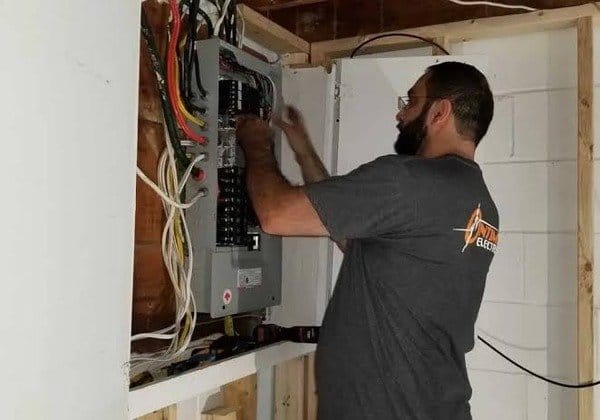
Modern electrical infrastructure is complex and requires a high level of attention to detail when it comes to panel replacement projects. Whether you’re managing a large industrial facility or critical commercial operations, replacing an electrical panel system is a big investment that impacts both business continuity and safety protocols. The stakes are higher than ever in today’s regulatory environment where compliance with changing electrical codes and standards can mean the difference between business as usual and downtime. When facility managers and electrical engineers start looking into panel replacement, they underestimate the level of planning required to get these projects right. It’s not just about swapping old for new. It’s load analysis, future capacity planning, regulatory compliance verification and most importantly, selecting the right electrician for electrical panel replacement who has the technical expertise and project management skills to deliver to industrial standards. Understanding the Scope of Modern Electrical Panel Replacement The process of electrical panel replacement is a fundamentally different process today than it was in olden times of installations. There are potential arc flash and electrocution hazards that a worker is exposed to when in close proximity to energized electrical panels. Electrical Safety Foundation International (ESFI) have reported more than 2000 electrical injury at the working place and 126 deaths in 2020 as a result of electrical hazard. These figures demonstrate why it is highly essential to cooperate with competent specialists who are aware of both the technical and the safety side of using modern panel systems. Changes in the development of electrical codes and safety requirements have changed what makes an acceptable installation. The contemporary panels have to become part and parcel of building control systems, support renewable energy sources, and offer superior monitoring facilities that can make way to predictive maintenance strategies. Such needs require an electrician dealing with electrical panel that is not only aware of the installation procedure, but the greater picture of integration of systems in more complicated industrial settings. Even modern panel replacement projects include highly complex planning and coordination among several stakeholders. The facility managers need to think about the effect the change has on the continued operations, as well as adherence to local electrical codes and OSHA regulation. Fore working space. In areas where there are live parts usually exposed on the front of switchboards or motor control centers, the work space in front of such equipment shall not be less than 3 feet (914 mm). All these clearance requirements usually create the need to change current electrical room layouts which then creates another level of complexity to the project scope. Key Technical Considerations for Panel Selection Electrical panels are becoming more complex in the demands of power management. The ability to integrate smart grids, advanced metering infrastructure, and real time monitoring systems are no longer features, but have become standard features. Technical expertise in these fields comes in as a key factor when considering the suitability of the contractors when it comes to electrical panel repair near me. Another important aspect, which distinguishes between experienced professionals and general contractors, is projections of load growth. Industrial plants are characterized by the changing power demand caused by equipment replacement, change of processes and expansion. The qualified electrician should show his capability to conduct extensive load studies and make panel designs that can support the current and reasonable future expansion developments. The aspect of power quality has also become a major focus in recent years. Industrial processes conducted today are particularly sensitive to power quality and voltage fluctuations and harmonic distortion. The opportunity to deal with these issues in panel replacement projects is available by making the right choice and setting the configuration of components, and only in case the electrician who installs the panel has the necessary expertise in order to detect the problem and make the necessary adjustments. Navigating Electrical Panel Upgrade Cost Considerations Understanding the financial implications of panel replacement projects requires a comprehensive analysis that extends beyond initial equipment and installation costs. A basic electrical panel upgrade costs $1,630 to $4,070, with a US National average cost of $2,730. However, industrial installations typically involve significantly higher investment levels due to the complexity and capacity requirements involved. The total cost of ownership perspective becomes particularly relevant when evaluating electrical panel upgrade cost scenarios. While initial installation costs represent the most visible expense component, ongoing maintenance requirements, energy efficiency improvements, and potential downtime costs often dwarf the upfront investment. Experienced electrical contractors understand these dynamics and can provide comprehensive cost projections that account for the full lifecycle of the installation. Regulatory compliance costs represent another factor that can significantly impact project budgets. Modern electrical installations must meet increasingly stringent safety and environmental requirements, which often necessitate additional components, testing procedures, and documentation processes. Contractors who specialize in industrial panel replacement understand these requirements and can provide accurate cost estimates that account for all necessary compliance measures. Financing and Incentive Opportunities Recent developments in electrical infrastructure incentives have created new opportunities for cost optimization. Any improvement to, or replacement of, a panelboard, sub-panelboard, branch circuits, or feeders which: is installed in a manner consistent with the National Electric Code may qualify for federal tax credits and other incentive programs. Professional electrical contractors can provide guidance on available incentive opportunities and ensure that installations meet all requirements necessary to qualify for available benefits. Energy efficiency improvements often justify panel replacement investments through reduced operating costs and improved system reliability. Modern panels incorporate advanced monitoring and control capabilities that enable more efficient power management, reduced maintenance requirements, and enhanced operational visibility. These benefits compound over time, often resulting in positive return on investment within reasonable payback periods. Safety Protocols and Regulatory Compliance in Panel Replacement Safety issues are the single most important factor of any electrical panel replacement project. Pipes or ducts foreign to the electrical installation and requiring periodic maintenance or whose failure or malfunction would threaten the functioning of the electrical system shall not be located in the vicinity of service