
Electrical Substation: The Backbone of Modern Power Infrastructure

In the complex world of modern electrical infrastructure, few components are as important yet often overlooked as the substation. These are the brains of our power grid, managing the flow of electricity from generation to end user across vast networks. Understanding substation design, operation and maintenance is becoming more and more crucial as our reliance on electricity grows exponentially. A substation is more than just a bunch of transformers and switchgear in a fenced off compound. It’s decades of engineering excellence, combining the latest technology with proven principles to transform, switch and protect electrical energy. Whether you’re dealing with transmission level installations handling hundreds of kilovolts or distribution facilities serving local communities, the principles are the same but the applications are very different. Substation technology has come a long way, especially in areas of rapid industrialisation and urbanisation. From simple switching stations of the early electrical age to today’s digitally controlled smart substations, these facilities have evolved to meet the increasing demands for power quality, reliability and operational efficiency. Understanding Electrical Substation Fundamentals What Defines an Electrical Substation What is an electrical substation becomes clearer when we examine its core functions within the broader context of electrical power distribution systems. In its simplest form a substation is an important point of connection at which electrical energy is transformed in voltage, switched or protected. These infrastructures support the power to be passed efficiently through long distances at high voltages and also have capabilities of reducing the voltage safely to that of the consumers. The issue of what an electricity substation is more than just a voltage transformer. Contemporary substations have advanced monitoring systems, automatic switching, and advanced protection schemes reacting to system disturbances in milliseconds. Such a combination of classical electrical engineering with modern digital technology has transformed the way in which we think about power system design and its operation. Electricity substations can be very simple or extremely complex, with some being distribution points only connecting residential areas to electricity and others being vast transmission hubs connecting regional power grids. Every installation must be carefully planned in terms of load requirements, the reliability standards of systems, conditions of the environment and future expansion options. Classification and Types of Electrical Substations Power substations can be categorized based on their voltage levels, functions, and construction methods. Transmission substations typically operate at voltages of 69 kV and above, serving as critical nodes in the high-voltage network that carries power across regions. These installations often feature extensive bus configurations, multiple transformer banks, and sophisticated protection systems designed to maintain system stability under various operating conditions. Sub-transmission substations bridge the gap between transmission and distribution networks, typically operating in the 35 kV to 69 kV range. These facilities play a crucial role in urban power distribution, often serving as supply points for multiple distribution feeders while providing voltage regulation and power factor correction capabilities. Distribution substations represent the final transformation stage before power reaches end users, typically stepping voltage down from sub-transmission levels to standard distribution voltages of 4 kV to 35 kV. These installations require careful coordination with upstream protection systems while maintaining the flexibility to respond to varying load patterns throughout the day. Key Components and Technologies in an Electrical Substation Primary Equipment Systems The heart of any electric substation lies in its primary equipment systems, beginning with power transformers that handle the critical voltage transformation functions. These massive pieces of equipment must withstand not only normal operating stresses but also the extreme conditions associated with system faults and switching transients. Modern transformer design incorporates advanced insulation systems, improved cooling technologies, and sophisticated monitoring capabilities that provide real-time insight into equipment condition. Circuit breakers represent another fundamental component, serving as the primary switching and protection devices within substation configurations. High-voltage circuit breakers must interrupt fault currents that can reach tens of thousands of amperes while maintaining their ability to perform thousands of normal switching operations throughout their service life. The evolution from oil-filled to gas-insulated and vacuum circuit breakers has significantly improved reliability while reducing maintenance requirements. Disconnect switches, surge arresters, and instrument transformers complete the primary equipment complement, each serving specific functions in the overall protection and control scheme. The integration of these electric substation components requires careful attention to coordination studies, arc flash analysis, and equipment ratings to ensure safe and reliable operation under all anticipated conditions. Control and Protection Systems Modern substation control systems have evolved from simple manual operations to sophisticated digital platforms capable of autonomous decision-making and remote operation. Supervisory Control and Data Acquisition (SCADA) systems provide operators with real-time visibility into substation conditions while enabling remote control capabilities that enhance both safety and operational efficiency. Digital protection relays have revolutionized substation protection schemes, offering unprecedented flexibility in protection coordination and system analysis. These intelligent devices can simultaneously provide multiple protection functions while continuously monitoring system conditions and generating detailed event records for post-incident analysis. Communication systems within substations now incorporate fiber optic networks, wireless technologies, and standardized protocols that enable seamless integration with wider utility communication infrastructures. This connectivity supports advanced applications such as synchrophasor measurement, automated demand response, and predictive maintenance programs. Design Considerations and Standards Engineering Requirements Design of a good electricity substation commences with detailed load analysis taking into consideration the present and future expansion projections. The engineers need to consider the levels of fault current, voltage regulation and system stability and work to meet the safety and environmental regulations that are applicable to them. Such analyses become the basis on which equipment would be selected and system configuration would be made. The selection of sites poses special issues especially in heavily built up areas where land is scarce and where there is a need to balance environmental issues and technical needs. Conditions in the soil, risk of flooding, earthquakes, and the vicinity of load centers are factors that determine the viability of developing a substation and the cost of its development. The environmental factors have taken more serious consideration in substation design
Critical Electrical Substation Components That Define Power System Reliability
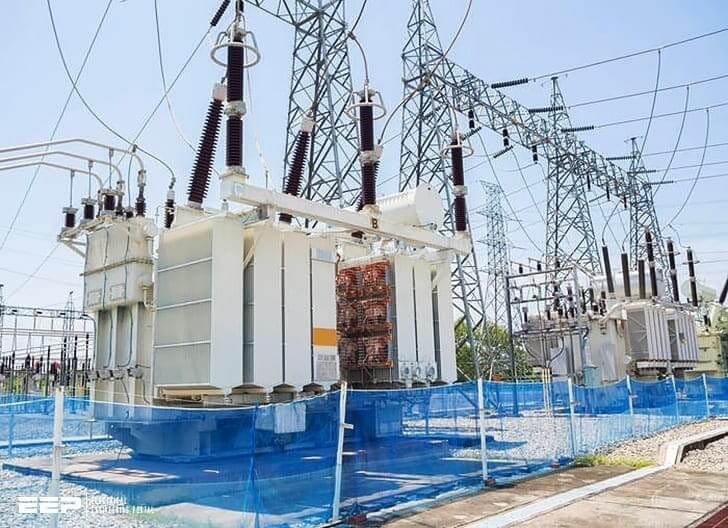
The reliability of any power distribution network relies on the right selection and integration of substation components. These complex systems bring together multiple disciplines of engineering where every component must work together seamlessly under all conditions. Component selection, specification and integration has become more critical as power systems adapt to renewable energy, smart grid and increasing demand for operational flexibility. Modern substation components have come a long way from their predecessors with advanced materials, digital technology and innovative design that improves performance and reliability. The complexity of today’s power infrastructure demands understanding how individual components interact in the bigger picture, as engineers are under pressure to optimize both capital expenditure and long term operational costs. The integration challenges of modern substation design requires careful consideration of component compatibility, protection coordination and future expansion. Each piece of substation equipment must be evaluated not only for its individual performance but also for its contribution to overall system reliability and operational efficiency. Primary Power Equipment Systems Power Transformers and Voltage Regulation Transformers in electrical substations are the key to voltage transformation in power distribution networks. Transformers ensure that reliable voltage conversion. They do so while dealing with mechanical and thermal stresses associated with fault conditions. The selection of appropriate transformer technology depends on numerous factors. These include voltage levels, load characteristics, environmental conditions, and anticipated system growth. Oil-filled transformers have remained the mainstay of high-voltage applications. This is because of their reliability and cost-effectiveness. However, dry-type units have been making inroads where fire safety and environmental issues take precedence. Transformer design has evolved to include high performance insulation systems, enhanced cooling technologies and sophisticated monitoring capabilities. This allows unprecedented access to equipment condition. There is a need to consider the integration of substation transformers with protection systems, especially the differential protection schemes as well as gas-actuated relay systems. Transformer protection coordination with upstream/downstream devices requires careful analysis of the contribution of fault currents and clearing time to achieve selectivity in all the expected fault conditions. Load tap changers are a vital part of contemporary transformer plants, which necessarily have automatic voltage regulation functions that ensure their ability to stay in service without compromising their service quality due to fluctuations in the supply voltage and changing load conditions. These mechanical devices require regular maintenance and careful coordination with voltage regulation schemes to ensure optimal performance throughout their service life. Circuit Breaking and Switching Technology From a system protection view, high-voltage circuit breakers are perhaps the most important substation equipment. These switches will be required to interrupt fault current with the capability of more than 50,000 amperes and still be capable of thousands of normal switching operations during their working life. The selection of one technology of interrupting over another (SF6 gas, vacuum, or air blast) is determined by both voltage requirements and environmental and maintenance considerations. The introduction of circuit breakers in conjunction with digital protection relays has revolutionized the substation protection schemes and it has allowed complex fault detection logic as well as communication-based protection capabilities. Most modern installations use redundant protection schemes so that there is overlap of protection areas such that protection can be maintained in the case of equipment malfunction or maintenance. The switching complement is aided by disconnect switches and grounding switches that are used to give visible isolation points and safety grounding opportunities that are necessary during maintenance activities. This mechanical design of these devices should be able to cater to large forces involved in switching actions and also offer reliable operation over a broad scope of environmental conditions. Operating high voltage switching devices has been largely replaced by motor-operation, enhancing both safety and flexibility of operation, and allowing remote control. Mechanization of these systems with substation control systems needs the critical consideration of control circuit design and communication protocols. Protection and Control Infrastructure Digital Protection Systems The modern protection systems present a radical shift in the traditional electromechanical relays to which microprocessor-based devices are included with the capability of performing more than one protection function in a single unit. These digital relays offer greater sensitivity, better coordination abilities and an ability to record all events fully to aid in not only in real time work but also in analysis after an event. IEC 61850 communication standards have transformed the substation automation process and allowed standard communication between protection devices, control systems and external networks. This standardization of the protocol facilitates more advanced schemes of protection such as differential protection on multiple substations and adaptive protection which adapts settings to suit a system condition. The substation safety equipment has advanced to include sophisticated arc flash detection systems where protective actions can be triggered within milliseconds, and hence the amount of energy released in the occurrence of arc faults is drastically decreased. Such systems are usually incorporated with traditional protection systems to offer a complete coverage of both conventional faults and arc flash hazards. The system interaction of the protection systems needs advanced analysis systems and attention to be given to system impedances, fault current contributions and clearing times. Protection schemes should be selective, in all foreseen operating conditions and the engineers should ensure that there is sufficient backup protection to cover equipment failures. Supervisory Control and Data Acquisition SCADA systems have become integral to modern substation operations, providing operators with real-time visibility into system conditions while enabling remote control capabilities that enhance both safety and operational efficiency. The integration of SCADA with protection systems creates a comprehensive monitoring and control environment that supports both normal operations and emergency response procedures. Human-machine interfaces within substation control houses must present complex information in an intuitive format that supports rapid decision-making during both normal and emergency conditions. The design of these interfaces requires careful consideration of operator workload, information hierarchy, and alarm management principles. Communication systems supporting SCADA operations must provide reliable connectivity under all weather conditions while incorporating appropriate cybersecurity measures to protect against unauthorized access. The redundancy and diversity of communication paths often determine the overall reliability of
Electric Substation Near Me Guide to Reliable Infrastructure

It’s important to understand the complex infrastructure that powers our modern world when searching for an electric substation near me. Electrical substations are the backbone in electricity distribution systems that change the voltages and make sure that the power is provided in a stable manner. The location and activities of these plants directly influences everything, such as residential development to big industrial ventures. Conducting the site assessment, planning new installations, or evaluating the existing infrastructure, the knowledge of how to find and analyze the nearby substations are good hints as a source of information to use in the project development and risk management. Understanding Electrical Substation Infrastructure and Distribution An electrical substation near me will commonly find a grid of facilities available in your area that make up the backbone of the regional power networks. These installations vary in size, capacity and purpose and include small distribution substations to feed local neighborhoods, to large transmission facilities capable of handling hundreds of kilovolts. Transformers are used in electrical substations to step up or down voltage levels in an electrical grid. They also turn electrical circuits on and off during maintenance, or emergencies. They also offer protection systems that isolate faults thereby avoiding massive outage. These operations are complex and delicate, necessitating advanced equipment such as circuit breakers, disconnect switches, protective relays, and control systems. Modern substations use digital technologies and automation systems more and more often, which allow remote control and monitoring. These smart grid applications enable utilities to maximize power flow, identify issues fast and react to changing demand patterns more efficiently. In the case of professionals assessing the location of substations, knowing these types of technological capabilities assist in determining the reliability and future growth opportunities of electrical infrastructure in the area. Geographic Distribution Patterns in East Africa In Kenya, Uganda, and Tanzania, the distribution of power substations is based on population density, industrial activity, and transmission line routes. Major substations are located along primary transmission corridors, connecting regional generation sources to load centers. Major urban centres in Kenya, such as Nairobi and Mombasa, are where most substations are concentrated. The transmission facilities follow the network connecting hydroelectric generation in the central highlands to coastal industrial areas. In Uganda, Kampala is where the substation networks are centered and connect to the Owen Falls hydroelectric complex to major load centers. Tanzania’s system links the gas-fired generation near Dar es Salaam with the northern and central regions through strategically placed transmission substations. Safety Considerations and Electrical Substation Safety Protocols Electrical substation safety is of high concern when operating around the high voltage installations. As a professional electrical engineer, one has to be aware of the various hazards that are encountered when visiting a substation, including electrical shock, arc flash, electromagnetic fields and physical risks in the operation of equipment. The approach distances differ according to the voltages, and transmission substation needs much larger clearance safety distances as compared to distribution. Electrical hazard areas around energized equipment are not limited to the physical area of conductors and buses and special training and protective clothing is necessary to work in these areas. One of the most commonly substation safety protocols used is the arc flash analysis that determines incident energy levels in various points within a power substation. This enables proper selection of personal protective equipment and establishment of safe working procedures. Modern safety standards require detailed hazard assessments and regular updates as equipment configurations change. The safety consideration of substations is also affected by environmental factors. Other risks may be weather conditions, especially in the event of storms or high winds, which may cause extra hazards due to conductor motion, equipment malfunction, or contact with debris on energized components. When considering work activities or expansion of the facilities, professional assessment of substation locations should consider these environmental risks. Emergency Response and Coordination Procedures Effective emergency response planning requires coordination between multiple stakeholders, including utility operators, local emergency services, and facility personnel. Substation emergencies can range from equipment failures and fires to security incidents or severe weather damage. Communication protocols during substation emergencies must account for potential loss of normal communication systems. Backup communication methods, including satellite phones or radio systems, ensure coordination continues even when primary infrastructure fails. Emergency response procedures should address both immediate safety concerns and longer-term power restoration efforts. Training programs for personnel working near substations must cover emergency procedures, hazard recognition, and proper use of safety equipment. Regular drills and scenario exercises help maintain readiness and identify potential improvements in emergency response capabilities. Utilizing Electricity Substation Map Resources for Project Planning An Electricity substation map contains a must-have information that helps when evaluating regional infrastructure capabilities. With this, you can know substation locations, voltage levels, transmission line connections, and service territories for different utility companies. Digital mapping platforms increasingly offer real-time information about substation loading, equipment status, and planned maintenance activities. This dynamic information helps engineers assess available capacity and potential constraints for new connections or load additions. Geographic Information Systems (GIS) integration allows overlay of substation locations with other infrastructure elements including roads, railways, industrial facilities, and environmental features. This comprehensive view supports better decision-making for site selection and routing of new electrical installations. Professional mapping resources often include additional technical data such as transformer ratings, protection scheme types, and control system capabilities. This detailed information proves invaluable when designing new facilities or planning interconnections with existing infrastructure. Digital Tools and Database Access Modern substation mapping relies heavily on digital databases maintained by utility companies, regulatory agencies, and engineering consulting firms. These databases typically include detailed technical specifications, maintenance histories, and performance data for individual facilities. Access to utility planning databases enables engineers to understand future expansion plans, load growth projections, and potential system constraints. This information helps identify opportunities for new industrial development or highlights areas where additional infrastructure investment may be needed. Regulatory databases maintained by national electrical authorities provide standardized information about substation compliance, safety records, and operational parameters. These official sources offer
The Complete Guide to Electrical Substation Batteries
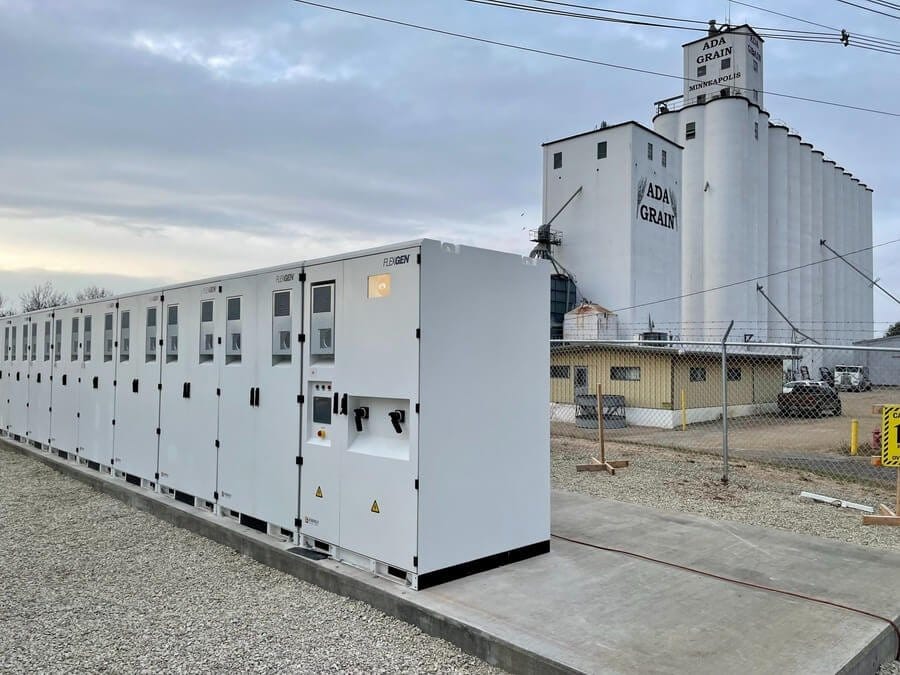
The electrical substation batteries are among the most overlooked components of the modern power systems. They are what make a power grid to be reliable by ensuring continuous operation during power outages, system faults, and maintenance activities. The reliability of electrical substations directly impacts everything, including industrial operations and residential power supply. Substation batteries provide essential DC power to protection systems, control circuits, and communication equipment when the primary power source fails. The transition is seamless and makes all the difference whether it’s a minor interruption or a catastrophic system failure. Understanding the Role of Battery Systems in Electrical Substations Electrical substation batteries serve multiple critical functions within the power distribution network. They have the main role of supplying continuous DC power to critical systems in the event that there is no AC power. These involve activating protective relay systems, breaker tripping and closing circuits, SCADA communication systems and emergency lights. The battery in substation applications must meet stringent reliability requirements. Substation batteries are required to provide immediate power with no interruption as opposed to commercial backup systems which may be allowed to experience short-term interruption. Protection systems do not have milliseconds to wait until they can restore the power, which may lead to the destruction of equipment or blackouts of large areas. The modern substations are more and more based on advanced monitoring and control systems. These digital devices need clean, stable DC power to operate properly. This stable platform is a product of substation batteries that remove fluctuations in the voltage and keep working at a steady rate irrespective of the behavior of the grid. The battery system also facilitates emergency shutdown procedures where the operators are able to isolate equipment safely in the event of a fault. Battery System Integration Contemporary substation designs integrate battery systems with advanced monitoring capabilities. These systems continuously track battery health, charge status, and environmental conditions. Smart battery management systems can predict maintenance needs, optimize charging cycles, and alert operators to potential issues before they become critical failures. The integration extends beyond basic monitoring. Modern electrical substation batteries work in conjunction with renewable energy sources, load management systems, and grid stabilization equipment. This holistic approach ensures maximum reliability while optimizing operational efficiency across the entire power network. Types of Electrical Substation Batteries: Technology Overview Valve-Regulated Lead-Acid (VRLA) Batteries VRLA batteries are the most widely used technology within substations. These systems are maintenance free and have deployed good reliability and performance tests in the harshest environmental conditions. Sealed design removes the necessity of frequent water additions and delivers stable operation over a long period of time. The substation batteries that employ VRLA technology are normally of the absorbed glass mat (AGM) or gel electrolyte characteristics. AGM batteries are the best in applications that demand a high discharge rate and this makes them best suited in operation of circuit breakers and fault clearing. Gel batteries, although slightly less in discharge rates, are better in deep-cycle and service life. VRLA systems are especially well suited to outdoor substation conditions due to their high temperature stability. Such batteries perform comparably at both high and low temperatures, an important feature when it comes to substations at extreme weather conditions. They also have low self-discharge rates so that they are ready even when the grid is out of power over long periods. Nickel-Cadmium Batteries Nickel-cadmium technology offers exceptional durability and performance consistency. These electrical substation batteries excel in extreme temperature conditions and provide reliable service for decades with minimal maintenance. Their ability to deliver high currents instantly makes them ideal for critical protection applications. The robust construction of nickel-cadmium batteries enables them to withstand physical stress and vibration common in substation environments. They maintain performance characteristics even after thousands of charge-discharge cycles, making them cost-effective despite higher initial investment costs. Emerging Lithium-Ion Solutions Lithium-ion technology is gaining traction in substation applications due to superior energy density and advanced monitoring capabilities. These systems offer compact footprints, reduced maintenance requirements, and intelligent battery management systems that provide real-time performance data. Substation batteries utilizing lithium-ion technology provide longer service life and higher efficiency compared to traditional lead-acid systems. The integrated monitoring capabilities enable predictive maintenance strategies, reducing operational costs and improving system reliability. Critical Sizing and Design Considerations Load Analysis and Capacity Planning Proper sizing of electrical substation batteries requires comprehensive load analysis considering both steady-state and transient requirements. Engineers must account for protection system loads, communication equipment, emergency lighting, and motor-operated devices such as circuit breakers and disconnect switches. The duty cycle analysis forms the foundation of battery sizing calculations. This involves determining the duration and magnitude of various loads during emergency conditions. Critical loads like protection systems operate continuously, while others such as circuit breaker operations occur intermittently but require high instantaneous currents. Battery capacity calculations must include safety margins to account for aging effects, temperature variations, and unexpected load increases. Industry standards typically recommend 25-30% capacity margins to ensure reliable operation throughout the battery’s service life. Environmental Considerations Substation batteries must operate reliably across extreme environmental conditions. Temperature significantly affects battery performance and longevity. High temperatures accelerate aging processes while low temperatures reduce available capacity. Proper thermal management through ventilation or climate control systems is essential for optimal performance. Humidity control prevents corrosion of battery terminals and monitoring equipment. Sealed battery rooms with controlled ventilation systems maintain optimal environmental conditions while preventing the accumulation of potentially hazardous gases. Installation and Housing Requirements Battery installation requires careful consideration of structural requirements, accessibility for maintenance, and safety protocols. Battery in substation installations must comply with electrical codes and safety standards while providing easy access for routine inspections and emergency maintenance. Seismic considerations are particularly important in earthquake-prone regions. Battery racks and housing systems must withstand seismic forces without compromising structural integrity or creating safety hazards. Flexible connections accommodate building movement while maintaining electrical continuity. Maintenance Best Practices and Monitoring Preventive Maintenance Programs Effective maintenance programs ensure electrical substation batteries deliver reliable service throughout their design life. Regular inspections identify
How Substation Automation is Revolutionizing Power Systems
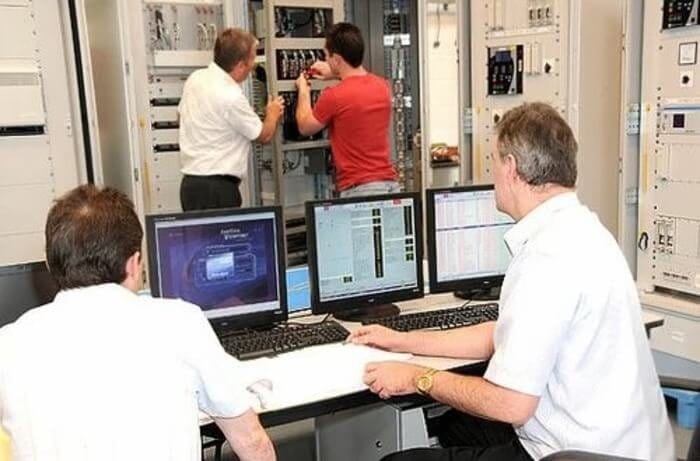
Substation automation is the key to the modern evolution of power systems. This crucial process changes the way the electrical infrastructure is run and monitored. The specifics of automated substation technologies are an added advantage to professionals who have been working with power systems for a long time. They are also essential for remaining competitive and performing well in operations. This change in how power systems operate (manual control to automated intelligent systems) has revolutionized how power systems are operated as far as reliability, efficiency and safety are concerned in the industry. Contemporary substation automation includes complex control algorithms, real-time data processing and control protocols that have never been seen before, which allow a high degree of grid intelligence and responsiveness. Power systems that are found in the modern world are faced with more complex challenges like the integration of the renewable energy sources, variations in loads, cybersecurity threat, and the need to comply with regulations. The problems demand automation capabilities far beyond simple remote control capabilities that would introduce a full system intelligence, predictive analytic and autonomous decision making capabilities in order to enhance overall grid performance. The Evolution of Modern Substation Automation Systems The journey from electromechanical control systems to today’s digital substation automation system implementations reflects decades of technological advancement and operational experience. Initial automation went towards remote monitoring and simple control tasks but now incorporate numerous layers of intelligence and turn substations into active nodes of grid control. Digital transformation has allowed substations to become active hubs of a network that actively cooperate in grid optimization. Advanced algorithms are continuously used to analyze the conditions of the system, to predict the behavior of equipment and take corrective measures to ensure that the system performs optimally and safeguard the critical infrastructure. Artificial intelligence and machine learning technologies are the latest trend in the automation development. These powerful abilities allow the substations to receive insights based on the patterns in the operation, detect a developing problem before it becomes a serious one, and maximize the work on the basis of the past and future trends. Moreover, interoperability of systems by different manufacturers has never been possible due to the standardization of communication protocols especially IEC 61850. This standardization allows utilities to adopt best-of-breed solutions without compromising system integration and minimizing long-term maintenance complexities. Core Technologies Driving Automation Excellence Intelligent Electronic Devices and Control Systems Modern substation automation products center around sophisticated intelligent electronic devices (IEDs) that combine multiple functions into integrated platforms. These devices perform protection, monitoring, control, and communication functions while providing the computational power necessary for advanced analytical capabilities. Microprocessor-based protection relays form the foundation of most automation architectures. These devices not only provide primary and backup protection functions but also serve as data acquisition points, local controllers, and communication gateways that enable system-wide coordination and optimization. Advanced control systems integrate multiple IEDs into cohesive automation platforms that can execute complex control sequences, manage load transfers, and coordinate with external systems. These control platforms provide the intelligence necessary for autonomous operation while maintaining human oversight capabilities. The evolution toward software-defined control systems enables greater flexibility and functionality compared to traditional hardware-based approaches. Software-defined platforms can be updated and enhanced throughout their operational life, providing long-term value and adaptability to changing requirements. Communication Infrastructure and Networking Robust communication infrastructure represents the nervous system of modern automation implementations. High-speed networks enable real-time data exchange between devices, systems, and remote control centers while supporting the bandwidth requirements of modern digital substations. Fiber optic communication networks provide the reliability and performance necessary for mission-critical applications. These networks support multiple communication protocols simultaneously while providing the security and electromagnetic immunity essential for substation environments. Wireless communication technologies offer additional flexibility for specific applications including temporary installations, mobile substations, and locations where fiber installation is challenging. Advanced wireless systems provide security and reliability comparable to wired solutions while offering deployment advantages. Network redundancy and failover capabilities ensure continuous operation even during communication system failures. Multiple communication paths and automatic switching mechanisms maintain system functionality while providing transparent recovery from network disruptions. Advanced Substation Automation Solutions and Applications Protection System Integration Protection schemes in modern systems are well incorporated into automation platforms to ensure better security and reliability of the system. Fine protection algorithms have the ability to study the conditions of a system on a wide-range of substations so that wider-area protection schemes have been implemented that are able to detect and clear faults more efficiently than conventional methods. Adaptive protection features do not require any human intervention to change protection settings, which changes depending on the real-time system conditions. Such systems are able to alter protection properties during the maintenance processes, abnormal operating conditions, or emergencies to assure the best protection coverage and accommodate operational flexibility. With synchrophasor technology integration, real-time observation of system dynamics on wide geographic scales is possible. This brings new levels of visibility to power system behavior and enables more sophisticated applications such as stability monitoring, oscillation detection, and controlled islanding strategies. Digital fault recording and event analysis functions give precise data on the interferences in the system that can be applied to enhance protection settings, detect problems of equipment and improve the entire system performance. Such analytical capabilities shift fault investigation into a proactive system optimization process. SCADA Integration and Remote Operations Supervisory control and data acquisition (SCADA) integration enables centralized monitoring and control of multiple substations from remote control centers. Modern SCADA systems provide comprehensive situational awareness while supporting operator decision-making through advanced visualization and analytical tools. Real-time data processing capabilities enable control center operators to monitor thousands of data points continuously while receiving automatic alerts for abnormal conditions. Advanced alarm processing and prioritization systems help operators focus on critical issues while filtering routine operational notifications. Remote control capabilities allow operators to perform switching operations, adjust equipment settings, and respond to emergency conditions from centralized locations. These capabilities reduce response times while enabling more efficient use of skilled personnel across multiple facilities. Historical data
How to Become a Substation Technician

The path to understanding how to become a substation technician represents one of the most rewarding career trajectories in the electrical power industry. If you are considering a career transition or you are a young engineer looking for specialization, a substation technician is worth consideration. This role requires a combination of technical expertise and hands-on problem-solving in critical infrastructure environments. The modern power grid is solely dependent on the trained technicians who possess the knowledge about the theoretical and practical aspects of the work at the electricity substation. The contemporary substation is becoming more sophisticated, dating back to the early electromechanical technology, to the most recent high-tech and digitalized installations, and the professionals need to be capable of altering quickly without forgetting about safety and reliability. This detailed discussion provides the strategic insight that is needed to succeed in pursuing this specialized career path. The transformation of the industry into smart grid technologies, integration of renewable energy sources, and upgraded automation systems has opened up new opportunities in the industry that are unprecedented with the adoption of qualified substation technicians. However, these opportunities are also associated with more demanding technical specifications that presuppose the careful preparations and flexible professional development throughout life. Understanding the Substation Technician Role The modern substation technician operates at the intersection of multiple engineering disciplines, requiring proficiency in electrical systems, mechanical equipment, digital controls, and communication technologies. Their responsibilities extend far beyond routine maintenance tasks to encompass complex troubleshooting, system optimization, and emergency response capabilities that directly impact grid reliability. Daily operations typically involve performing preventive maintenance on high-voltage equipment, analyzing protective relay settings, conducting system tests, and documenting equipment performance. These tasks require deep understanding of power system principles, equipment specifications, and safety protocols that protect both personnel and critical infrastructure. Advanced technicians often specialize in specific areas such as protection systems, SCADA operations, or power quality analysis. This specialization requires additional training and certification but offers enhanced career prospects and increased earning potential. The progression from general technician to specialist typically occurs over several years of focused experience and continuing education. Emergency response capabilities represent a critical aspect of the role. When system failures occur, substation technicians must quickly diagnose problems, implement temporary solutions, and coordinate with system operators to restore service safely and efficiently. These high-pressure situations demand both technical competence and excellent decision-making skills. Educational Foundations and Prerequisites The educational pathway for aspiring substation technicians typically begins with a solid foundation in electrical engineering principles. The majority of successful candidates have an electrical engineering degree, electrical technology diploma, or other technical education that includes circuit analysis, power systems fundamentals, and electrical safety practices. The knowledge of mathematics does not only involve simple calculations but also complex numbers, trigonometry, and statistical analysis applied on power systems. Knowledge of these mathematical principles will lead technicians to be able to calculate loads, analyze fault conditions and interpret settings of any type of protection system correctly. The theoretical basis of how equipment reacts to a wide range of conditions comes in the form of physics knowledge especially in the fields of electromagnetism and thermodynamics. This information is invaluable in resolving strange behaviors of the system or in tuning the equipment. Computer literacy is increasingly becoming a major issue especially with the introduction of advanced digital systems in substations. Knowledge of databases, network, and programming is an added advantage to the career and helps technicians to be effective players when it comes to working with the new generation automation systems. Professional Training Programs and Electrical Substation Training Electrical substation training programs vary significantly in scope, duration, and specialization focus. Comprehensive programs typically combine classroom instruction with extensive hands-on laboratory experience using actual substation equipment. These programs cover high-voltage safety procedures, equipment operation, maintenance practices, and emergency response protocols. Specialized training modules address specific equipment types including power transformers, circuit breakers, protective relays, and control systems. Each equipment category requires unique knowledge sets and safety procedures that must be thoroughly understood before working on energized systems. Safety training represents the most critical component of any substation training program. High-voltage environments present unique hazards that require specialized knowledge, proper equipment, and strict adherence to established procedures. This training typically includes arc flash analysis, electrical shock prevention, and emergency response procedures. Advanced training programs may include specialized courses in protection system testing, power quality analysis, and digital substation technologies. These advanced skills command premium compensation and open doors to senior technical positions within utility and industrial organizations. Apprenticeship Opportunities and Hands-On Experience Apprentice substation electrician jobs and apprentice substation technician jobs provide the essential bridge between classroom learning and professional competence. These structured programs combine paid employment with systematic skill development under experienced mentorship. Traditional apprenticeships typically span three to four years and include rotation through various substation types and voltage levels. This exposure ensures comprehensive understanding of different equipment technologies and operational requirements. Apprentices work alongside journeyman technicians, gradually assuming increased responsibility as their skills develop. Substation apprentice jobs often include specialized tracks focusing on protection systems, maintenance practices, or construction activities. These specialized tracks allow apprentices to develop expertise in high-demand areas while building comprehensive foundational skills. The mentorship component of quality apprenticeship programs cannot be overstated. Experienced technicians provide practical insights that supplement formal training, helping apprentices develop the judgment and problem-solving skills essential for independent operation in critical infrastructure environments. Certification Pathways and Professional Development Substation technician certification requirements vary by employer and geographic region, but several industry-standard certifications are widely recognized. These certifications validate technical competence and demonstrate commitment to professional excellence. Safety certifications typically include OSHA compliance training, electrical safety standards, and company-specific safety protocols. These certifications require regular renewal and ongoing safety training to maintain currency with evolving industry standards. Technical certifications may focus on specific equipment manufacturers, protection system platforms, or testing procedures. Obtaining multiple certifications enhances employment prospects and provides flexibility for career advancement into specialized roles. Professional development extends beyond formal certifications to include conference attendance, technical paper presentations,
The Complete Guide to Substation Technician Jobs

The electrical power sector is fast changing and the demand of qualified personnel to maintain, operate and build this much-needed infrastructure is unprecedented. Among these essential roles, substation technician jobs represent some of the most rewarding and technically challenging career opportunities available in the electrical engineering sector. These jobs are well paid, secure, and rewarding given that the employees use the latest technology that directly affects people and economies worldwide. Substation technician jobs encompass a diverse range of responsibilities, from routine maintenance and testing to complex troubleshooting and emergency repairs. With power grids getting more complex and renewable energy integration at a faster rate, the skills needed to work in these positions has grown tremendously. Modern technicians operating in substations have to be versed in not just conventional electrical systems, but also in digital protection systems, SCADA systems and smart grid systems that are now changing the face of the industry. Understanding the Role of a Substation Technician Core Responsibilities and Daily Operations The substation technician is the backbone of the electrical power distribution and transmission systems. These professionals make sure that high-voltage equipment works safely and efficiently and ensure the balance between power generation and consumption which modern society critically relies on. This position needs a special set of technical skills, awareness of safety, and problem-solving skills that are needed by few other jobs in the electric world. The routine duties of the people who have electrical substation jobs are to perform regular inspection of transformers, circuit breakers, disconnect switches, and protective relay systems. They conduct preventive maintenance activities like oil sampling, inspection/testing of insulation, and cleaning of equipment, which play important roles in ensuring expensive breakdowns do not occur and the system is reliable. Moreover, such technicians are supposed to be ready to act in emergency cases, and sometimes they receive the assignments under pressure to fix power to the critical infrastructure or residential buildings. Another critical element of substation work is documentation and record-keeping. Technicians should also keep good records of the performance of an equipment, maintenance procedures, and any abnormal situation that they discover in the process of work. This is necessary information to comply with regulations, warranty claims and long term asset management planning. Moreover, the technicians working in substations nowadays tend to use computerized maintenance management systems and digital documentation systems more often. Essential Skills and Qualifications The electrical substation technician line of work needs a multi-dimensional skill base balancing both theoretical and hands-on expertise in order to be successful in this job field. The majority of the employers would prefer to employ those with a formal education either using technical schools or community colleges; though the positions sometimes do need full degrees in electrical engineering. The second is by use of apprenticeship programs which are available by the utilities and contractors and with them, the participants gain practical experience as they work with skilled individuals. Technical skills that are vital in the construction of substation jobs are a comprehensive knowledge of electrical concepts especially in the high voltage units. The technicians will be required to read and understand complicated electric schematics, one-line diagrams, and equipment manuals. Understanding of protective relay principles, power system analysis and equipment testing procedures becomes more critical as technologies become more complex and systems get more interconnected. The safety training is, probably, the most crucial qualification that anyone is going to acquire when trying to pursue the jobs of substation electricians. Working with high-voltage devices is a severe risk, and one should always be extra vigilant and follow strict safety measures. These positions are usually required to have OSHA certification, arc flash training and utility safety course programs. Most employers also demand safety refresher training on a periodic basis so as to keep the technicians up to date with the changes in the best practices and regulatory compliance. Career Paths and Specialization Opportunities Construction and Installation Roles Electrical substation construction jobs offer exciting opportunities for technicians who enjoy working on new projects and seeing facilities come to life from the ground up. These positions typically involve installing transformers, switchgear, control panels, and associated equipment according to detailed engineering specifications. Construction technicians work closely with project managers, engineers, and other trades to ensure installations meet quality standards and timeline requirements. The construction phase of substation projects requires specialized knowledge of rigging techniques, foundation work, and equipment commissioning procedures. Technicians in these roles must be comfortable working at heights, operating heavy machinery, and coordinating with multiple contractors on busy job sites. Many professionals find construction work particularly rewarding because they can see tangible progress daily and take pride in completing facilities that will serve communities for decades. Career advancement opportunities in substation construction jobs often lead to supervisory roles, project management positions, or specialized technical expert roles. Some technicians choose to become independent contractors, offering their expertise to multiple clients on a project basis. Others may transition into engineering roles, using their field experience to inform design decisions and improve construction practices. Operations and Maintenance Specialization Substation operator jobs focus primarily on the ongoing operation and maintenance of existing facilities. These positions typically offer more predictable schedules and work environments compared to construction roles, making them attractive to technicians who prefer routine-based work. Operators are responsible for switching operations, equipment monitoring, and coordinating with system dispatchers to maintain grid stability and reliability. The maintenance aspect of these roles involves conducting periodic testing of protective relays, circuit breakers, and other critical equipment. Substation relay technician positions represent a highly specialized subset of maintenance roles, requiring deep expertise in digital protection systems and testing equipment. These professionals often command premium compensation due to their specialized knowledge and the critical nature of their work. Emergency response capabilities are crucial for professionals in operations roles. When equipment failures occur or system disturbances arise, substation tech jobs require quick thinking and decisive action to minimize outage duration and prevent cascading failures. This aspect of the work can be stressful but also provides tremendous job satisfaction
A Complete Guide for Electric Substation Design and Operations
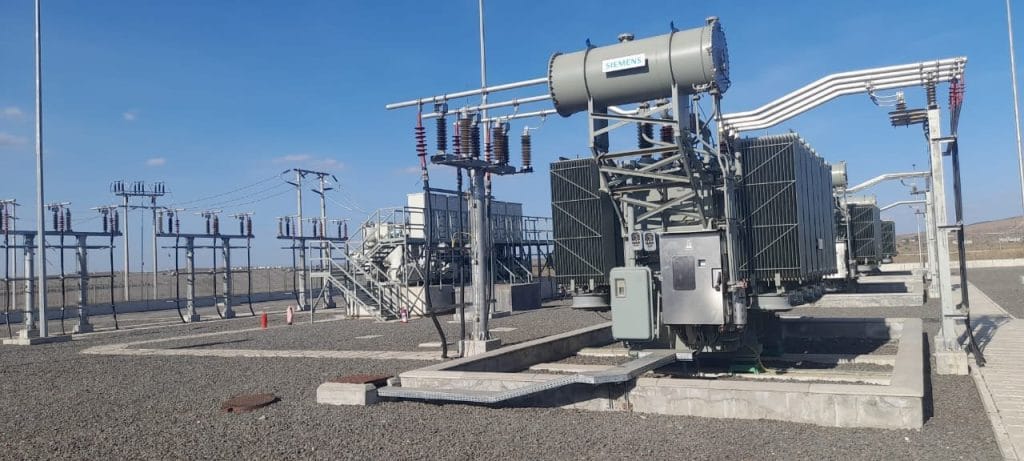
The secret of any efficient electrical power system is the perfect locations and advanced engineering of electric substation infrastructure. These are the vital nodes that are the nerve centers where the electrical energy is transformed, switched and also protected to meet the reliable delivery of power at incredibly large networks. To experienced electrical engineers and those working in the power system, knowing the ins and outs of designing Substation, operation, and maintenance is basic knowledge that distinguishes competent professionals in the field and those who are leaders in the industry. The power grid of today requires more and more complex solutions and the electrical substation is no longer what it was back in the days of simple transformer installations. Modern substations have high-end digital technologies, complex protection systems, and intelligent automation systems installed to react to grid situations in real-time. Understanding Electric Substation Fundamentals To define electrical substation in contemporary terms, we must consider these facilities as multifaceted electrical switching stations where voltage levels are modified and power flows are controlled and monitored. The conventional definition has been extended to include the digital substation that make use of IEC 61850 communications standards, process bus systems, and merging unit technologies that convert analogue measurements to a stream of digital data. What do electrical substations do extends beyond basic voltage transformation. Current substations have very important roles in regulating power flow, isolating faults, controlling voltages, reactive power compensation and improving grid stability. These facilities are strategic control points where the system operators can affect the pattern of power flow, react to contingencies and uphold standards of power quality across interconnecting networks. The electrical substation definition encompasses various configurations, from simple distribution substations serving local communities to massive transmission substations handling hundreds of megawatts. The architecture of each configuration will have very different engineering considerations, protection philosophies and operating procedures depending on its place in the overall power system architecture. Types and Classifications of Electrical Substations Transmission Substations High-voltage transmission substations operate at voltage levels typically ranging from 115 kV to 765 kV, serving as critical interconnection points between generation sources and distribution networks. These facilities incorporate sophisticated switching arrangements such as breaker-and-a-half schemes, ring bus configurations, and double bus-single breaker arrangements that provide operational flexibility and enhanced reliability. The design of transmission substations demands careful consideration of short-circuit currents, lightning protection, and coordination with adjacent facilities. Protection systems employ differential, distance, and overcurrent relays with communication-assisted schemes that enable high-speed fault clearing and maintain system stability during disturbances. Distribution Substations Distribution substations step down transmission voltages to levels suitable for local distribution networks, typically operating between 4 kV and 35 kV. These facilities serve as the interface between bulk power transmission and end-user distribution systems, requiring different design philosophies that prioritize cost-effectiveness while maintaining adequate reliability levels. Modern distribution substations increasingly incorporate load tap changers, capacitor banks, and voltage regulators that respond automatically to changing load conditions. Advanced distribution management systems enable remote monitoring and control capabilities that optimize power flow and minimize losses across distribution feeders. Industrial and Commercial Substations Private substations serving large industrial complexes or commercial facilities require specialized designs that address unique load characteristics, power quality requirements, and operational constraints. These installations often incorporate multiple voltage levels, specialized protection schemes, and backup power systems that ensure continuity of critical processes. Key Components and Equipment Primary Equipment Systems The heart of any electrical substation consists of primary equipment that handles the actual power flow and switching operations. Power transformers represent the most critical and expensive substation components, with modern units incorporating advanced insulation systems, on-load tap changers, and comprehensive monitoring systems that track oil quality, dissolved gas levels, and thermal conditions. Circuit breakers have evolved significantly with the widespread adoption of SF6-free alternatives, vacuum technology improvements, and digital control systems. These devices must reliably interrupt fault currents while withstanding the mechanical stresses of normal switching operations over decades of service life. Disconnect switches, current transformers, potential transformers, and surge arresters complete the primary equipment complement. Each component requires careful specification to ensure compatibility with system parameters and long-term reliability under diverse environmental conditions. Secondary Systems and Protection Modern substation protection systems integrate numerical relays with comprehensive communication capabilities, enabling sophisticated protection schemes that coordinate across multiple substations. These systems implement zone-selective interlocking, arc flash mitigation, and predictive maintenance algorithms that enhance both safety and reliability. SCADA systems provide the communication backbone that enables remote monitoring and control of substation equipment. Modern installations leverage fiber optic networks, redundant communication paths, and cybersecurity measures that protect critical infrastructure from both physical and digital threats. Control and Automation Infrastructure The integration of intelligent electronic devices (IEDs) has transformed substation control rooms into sophisticated command centers. These systems process vast amounts of real-time data, implement automatic control sequences, and provide operators with comprehensive situational awareness tools. Digital substations represent the cutting edge of automation technology, where conventional copper wiring gives way to fiber optic process buses. This architecture reduces installation costs, improves measurement accuracy, and enables new operational capabilities that were previously impractical. Design Considerations and Engineering Principles Site Selection and Layout Optimization What is an electrical substation without proper site selection becomes a compromised facility that may struggle to meet performance requirements throughout its operational life. Site evaluation must consider factors including soil conditions, environmental constraints, accessibility for construction and maintenance, and future expansion possibilities. Substation layout design balances multiple competing objectives including minimizing land requirements, optimizing equipment spacing for maintenance access, and ensuring adequate clearances for safety and reliability. Modern 3D design tools enable engineers to visualize complex arrangements and identify potential conflicts before construction begins. Environmental and Safety Considerations Contemporary substation design must address increasingly stringent environmental regulations while maintaining the highest safety standards. This includes noise mitigation strategies, oil containment systems, and fire protection measures that protect both personnel and surrounding communities. Arc flash hazard analysis has become a critical design consideration, with engineers implementing protective measures that limit incident energy levels and provide appropriate personal protective equipment
The Strategic Evolution of Automation Industrial Systems
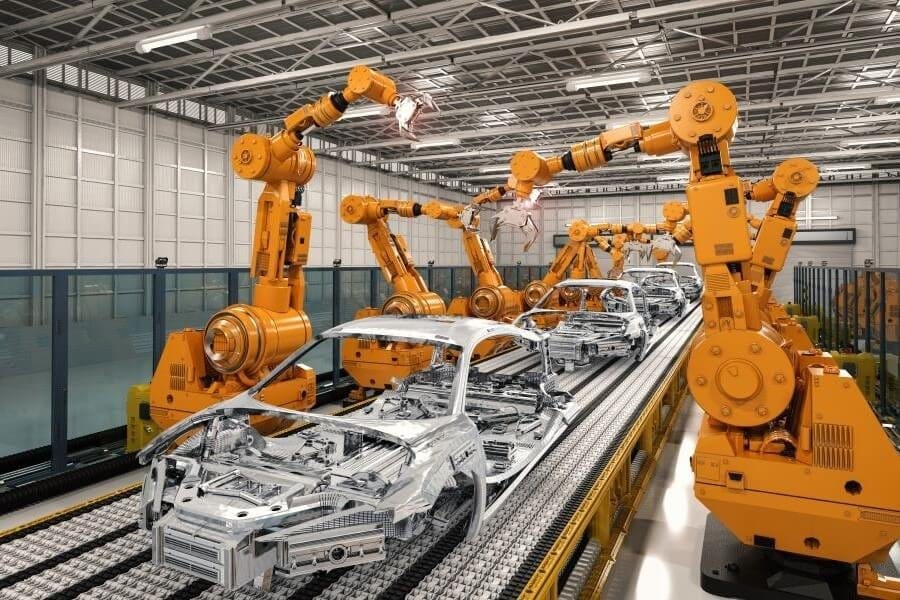
The manufacturing landscape has undergone a profound transformation over the past decade, with automation industrial systems emerging as the cornerstone of modern production excellence. Today’s industrial facilities demand more than traditional mechanization; they require intelligent, interconnected systems that can adapt, optimize, and respond to changing market conditions in real-time. This evolution represents not just a technological upgrade but a fundamental shift in how we conceptualize manufacturing efficiency, quality control, and competitive advantage in an increasingly digital world. Automation industrial technologies have moved far beyond simple programmable logic controllers and basic sensor networks. Modern systems integrate artificial intelligence, machine learning algorithms, and advanced analytics to create self-optimizing production environments that continuously improve performance. These sophisticated platforms enable manufacturers to achieve unprecedented levels of precision, consistency, and operational efficiency while reducing waste, minimizing downtime, and enhancing worker safety across all production processes. The strategic implementation of these systems requires deep understanding of both technological capabilities and operational requirements. Successful integration demands careful consideration of existing infrastructure, workforce capabilities, and long-term business objectives. Furthermore, the rapid pace of technological advancement means that today’s automation solutions must be designed with future scalability and adaptability in mind, ensuring that investments remain valuable as industry standards continue to evolve. Foundations of Modern Industrial Automation Engineering Core Technologies and System Architecture Industrial automation engineering has evolved into a highly sophisticated discipline that combines electrical engineering principles with advanced computer science and data analytics. Modern automation systems rely on distributed control architectures that can manage complex processes across multiple production lines simultaneously. These systems typically incorporate programmable logic controllers (PLCs), distributed control systems (DCS), and supervisory control and data acquisition (SCADA) platforms working in harmony to create seamless operational control. The integration of Internet of Things (IoT) sensors and edge computing devices has revolutionized data collection and processing capabilities within industrial environments. These devices capture real-time information about equipment performance, environmental conditions, and product quality, transmitting this data to centralized control systems for analysis and decision-making. Advanced communication protocols such as Ethernet/IP, Profinet, and OPC-UA ensure reliable, high-speed data exchange between disparate system components. Cybersecurity considerations have become paramount in modern industrial automation engineering projects. As systems become more connected and data-driven, protecting critical infrastructure from cyber threats requires implementing robust security measures at every level of the automation hierarchy. This includes secure communication protocols, encrypted data transmission, access control systems, and regular security audits to maintain system integrity and protect proprietary manufacturing processes. Integration Challenges and Solutions The complexity of modern manufacturing operations presents unique challenges for automation system integration. Legacy equipment often operates on outdated communication protocols or proprietary systems that resist easy integration with newer technologies. Successful projects require careful planning to bridge these gaps while maintaining operational continuity throughout the implementation process. This often involves developing custom interfaces, protocol converters, and middleware solutions that enable seamless communication between old and new systems. Workforce adaptation represents another critical aspect of successful automation implementation. While these systems are designed to enhance human capabilities rather than replace workers entirely, they do require new skill sets and operational procedures. Training programs must address not only technical operation but also troubleshooting, maintenance, and optimization techniques that enable workers to maximize system performance. Additionally, change management strategies help organizations navigate the cultural adjustments that accompany technological transformation. Scalability planning ensures that initial automation investments can grow with business needs over time. Modular system architectures allow for incremental expansion of automation capabilities without requiring complete system redesigns. This approach enables organizations to implement automation in phases, spreading costs over time while demonstrating value at each stage of implementation. Furthermore, standardized component selection and documentation practices facilitate future modifications and upgrades. Advanced Industrial Automation Technology Applications Manufacturing Process Optimization Industrial automation technology applications in manufacturing process optimization have transformed how companies approach quality control, efficiency improvement, and cost reduction. Advanced process control systems use mathematical models and real-time feedback to automatically adjust operating parameters, maintaining optimal conditions even as raw material properties or environmental factors change. These systems can detect minute variations in product quality and make instantaneous corrections that would be impossible for human operators to achieve. Predictive maintenance capabilities represent one of the most valuable applications of modern automation technology. By continuously monitoring equipment vibration, temperature, pressure, and other key parameters, these systems can predict component failures before they occur. This proactive approach dramatically reduces unplanned downtime, extends equipment life, and optimizes maintenance scheduling. Machine learning algorithms analyze historical data patterns to improve prediction accuracy over time, creating increasingly reliable maintenance forecasts. Quality assurance processes have been revolutionized through the integration of vision systems, precision measurement tools, and automated testing equipment. These technologies can inspect products at speeds far exceeding human capabilities while maintaining consistent accuracy standards. Automated quality control systems can detect defects, measure dimensions, verify assembly completeness, and perform functional testing with minimal human intervention. When integrated with production control systems, they can automatically adjust process parameters to prevent future quality issues. Energy Management and Sustainability Modern industrial process automation systems play a crucial role in achieving sustainability goals and optimizing energy consumption across manufacturing operations. Intelligent energy management systems monitor power usage patterns, identify inefficiencies, and automatically implement energy-saving measures during low-production periods. These systems can coordinate equipment startup and shutdown sequences to minimize peak demand charges while maintaining production schedules. Advanced motor control systems, particularly variable frequency drives (VFDs), offer significant energy savings by matching motor speed to actual load requirements rather than running at constant speeds. When integrated with automation systems, these drives can respond to real-time production demands, reducing energy consumption by 20-50% in many applications. Smart motor control centers can also provide detailed energy usage analytics that help identify additional optimization opportunities. Waste reduction initiatives benefit tremendously from automation technology implementation. Precise material handling systems minimize spillage and contamination while ensuring optimal material utilization. Automated inventory management systems track material consumption in real-time, enabling just-in-time delivery strategies that reduce storage requirements and material waste. Additionally, closed-loop control systems can automatically recycle process
Electric Substation Components for Reliable Power Distribution

Electric substations are the core of electrical transmission and distribution systems. These stations ensure a safe and efficient delivery of electricity to generations sources and end consumers—businesses and domestic use. For an electric power substation to perform and ensure system reliability, operational efficiency, and long-term infrastructure sustainability, it’s important to understand what each of the electric substation components does. These smart installations are where a lot of inter-related components come together to work towards ensuring power quality and system stability. The practicality of the contemporary electric grids requires deep understanding of the operation of the different electrical substation components both independently and together. Whether it is huge power transformers or the complex protection relay systems, all these components are extremely important to ensure smooth functioning of the electrical network. The mentioned technical landscape is ever-changing due to the increasing technology, and professionals must be up to date about the most recent changes in the electrical substation equipment. Primary Power Transformation Equipment Power Transformers: The Heart of Substations Power transformers in substations represent the most critical and expensive components in any electrical substation. These electromagnetic devices facilitate voltage level changes necessary for efficient power transmission and distribution. The selection and specification of appropriate transformer configurations directly impact system performance, efficiency, and reliability. Substation power transformers come in various configurations, including single-phase and three-phase units, with power ratings ranging from a few MVA to several hundred MVA. The choice between different transformer types depends on factors such as system voltage levels, load requirements, fault current capabilities, and environmental considerations. Key considerations for substation transformers include: Transformer Auxiliary Systems Substation transformer parts extend beyond the core electromagnetic components to include essential auxiliary systems. These supporting elements ensure optimal transformer performance and longevity. Cooling systems, whether natural air, forced air, or oil circulation, maintain operating temperatures within acceptable limits. Bushings provide insulated connections between transformer windings and external circuits. These critical components must withstand both electrical and mechanical stresses while maintaining insulation integrity. Tap changers, whether on-load or off-load types, enable voltage regulation to accommodate varying system conditions. Switching and Protection Equipment High Voltage Switchgear The main switching devices in electrical substations are circuit breakers which offer the capability to interrupt fault currents and de-energize equipment to perform maintenance. Contemporary circuit breakers technology encompasses SF6 gas-insulated breakers, vacuum interrupters and air-blast circuit breakers with each having its own applicative benefits. The disconnect switches make the equipment and circuits visibly isolated, which keeps the personnel safe during maintenance procedures. Such devices are normally used at no-load conditions but the device is to be capable of full system voltage and current ratings. Load break switches are a combination of disconnect switches with limited current interrupting capacity, to provide flexibility in operation of the system to reconfigure and manage loads. Protection and Control Systems Protective relay systems monitor electrical parameters and initiate appropriate responses to abnormal conditions. Modern digital relays offer sophisticated protection algorithms, communication capabilities, and extensive data logging functions. These intelligent devices can detect various fault conditions including overcurrent, differential, distance, and frequency anomalies. Current transformers (CTs) and voltage transformers (VTs) provide scaled representations of primary system quantities for measurement and protection purposes. Accurate ratio transformation and burden characteristics are essential for proper relay operation and system monitoring. Power Quality and Conditioning Equipment Reactive Power Compensation Capacitor banks provide reactive power support to improve system power factor and voltage regulation. These installations can be fixed or automatically switched based on system requirements. Proper sizing and switching logic are critical for optimal system performance. Reactors, both shunt and series types, provide inductive reactance for various system applications. Shunt reactors compensate for capacitive charging currents in long transmission lines, while series reactors limit fault currents and provide voltage regulation. Voltage Regulation Equipment Static VAR compensators (SVCs) and static synchronous compensators (STATCOMs) provide dynamic reactive power control for voltage stability and power quality improvement. These devices respond rapidly to system changes, maintaining voltage levels within acceptable limits. Voltage regulators, both step-type and induction types, provide automatic voltage control for distribution circuits. These devices maintain constant voltage levels despite varying load conditions and source voltage fluctuations. Monitoring and Control Infrastructure SCADA and Communication Systems Supervisory control and data acquisition (SCADA) systems allow remote monitoring and control of the substation equipment. More recent implementations use digital communication standards like IEC 61850, DNP3, and Modbus to integrate with utility control rooms. Local data acquisition and control capabilities are provided by remote terminal units (RTUs) and intelligent electronic devices (IEDs). These devices transmit information about equipment status, measurements, and alarms to central control facilities and receive remote control signals. Instrumentation and Metering Revenue metering systems accurately measure energy consumption and demand for billing purposes. These precision instruments must meet strict accuracy requirements and provide tamper detection capabilities. Power quality monitors track voltage, current, frequency, and harmonic distortion parameters. This data helps identify system problems and verify compliance with power quality standards. Safety and Environmental Systems Grounding and Lightning Protection Substation grounding systems provide personnel safety and equipment protection by maintaining safe step and touch potentials. Ground grid design must consider soil conditions, fault current levels, and safety clearances. Lightning protection systems, including surge arresters and overhead ground wires, protect equipment from atmospheric overvoltages. Proper coordination between protection devices ensures effective lightning performance while minimizing equipment stress. Fire Protection and Environmental Controls Fire detection and suppression systems protect valuable substation equipment from fire damage. These systems must be compatible with electrical equipment and provide rapid response to minimize damage. Environmental monitoring systems track conditions such as temperature, humidity, and gas concentrations. This data helps optimize equipment performance and identify potential problems before they become critical. Future Considerations and Technology Trends The electrical power industry continues to evolve with advancing technology and changing grid requirements. Smart grid implementations demand enhanced communication capabilities and automated response systems. Energy storage integration requires new protection and control strategies. Digital substation concepts promise improved reliability, reduced maintenance requirements, and enhanced operational flexibility. These implementations rely heavily on