
How an Electrical Substation Distributes Power Across Modern Grids
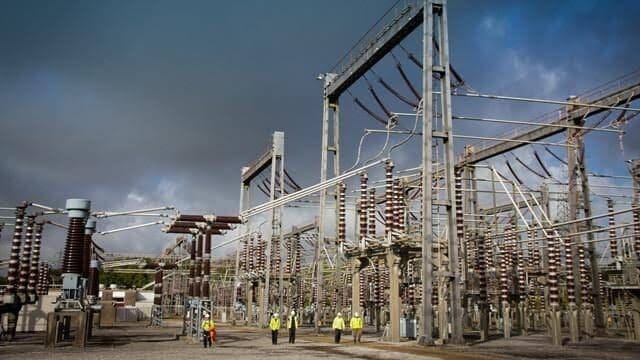
An electrical substation is the backbone of modern power distribution systems, serving as critical nodes where electricity undergoes transformation, switching, and control before reaching end users. These complex plants work as control centres in the electrical grid, which coordinate the movement of power resources in generation sources to the industrial, commercial and residential users. This knowledge gives an idea of one of the most complex and important infrastructures of engineering and its intricate functioning. Modern power systems require strong infrastructure that has the ability for supporting different voltage levels, loading requirements, and grid stability needs. Electric substations have the necessary equipment and control systems that meet this requirement and ensure reliable power delivery. Electric substations ensure power delivery to various places with different power needs, including transmission plants that operate hundreds of kilovolts or tiny distribution stations which supply local residential areas. The Fundamental Role of Substations in Power Systems The question of how do electric substations work starts with the main functions that they play in an electrical grid. Substations play several very important roles, including voltage transformation, circuit protection, power quality and system monitoring. These plants serve as strategic control stations where electrical engineers may monitor, control and redirect the flow of power according to the demand patterns and the conditions of the system. Voltage transformation is probably the most apparent substation role. Electrical power produced at generating stations is usually at quite low voltages, however, when long distances are required to deliver the power, it must be transmitted at high voltages to reduce the loss. Substations increase electricity voltages to be transmitted and then reduce voltages so that they are safe to end users. The method entails advanced transformer technology that can distribute immense power loads at the same time ensuring stability of the system. Circuit protection functions provide system reliability, isolating faulted sections and avoiding cascading failures that may impact large areas of the grid. Advanced protection systems are based on digital relays, communication and automated switching equipment and are able to detect abnormal conditions and act in milliseconds. This quick response system averts damage of equipment and preserves power of the consumers. The possibility of system monitoring and control enables the operators to monitor the real-time situations on the network. State of the art substations integrate advanced SCADA (Supervisory Control and Data Acquisition) which gives detailed visibility into voltages, currents, equipment conditions, and environment. This data allows for proactive maintenance and efficient system functionality. Essential Components That Make Substations Function To best answer the question on how does a power substation work, the most important devices that facilitate such intricate workings need to be discussed. In most substations, power transformers are at the core of the facility, applying the principles of electromagnetic induction to increase or decrease the voltage and still efficiently preserve the flow of power. Such large machines have complex windings, cooling systems and protection equipment that are expected to last decades. Switchgear assemblies offer methods of control and protection of the electrical circuits in the substation. High-voltage circuit breakers, disconnect switches and related control equipment allow the operators to establish power flow paths and isolate equipment to be maintained or in emergency. Modern switchgear features gas-insulated technology which occupies less space, has high reliability and safety. Protection and control systems make up the brain of the substation, coordinating all the actions and reacting to the conditions of the system. Digital relay technology has transformed the protection schemes to present faster response, improved coordination, and improved diagnostic capability. These systems interact with grid operators via advanced communication networks, allowing remote monitoring and control. Instrument transformers give precise measurement of high-voltage and high-current parameters used to measure protection and metering. Current transformers and potential transformers reduce dangerous amounts of electricity to safe levels that can be handled by protective relays and monitoring devices. System protection and power quality are directly influenced by the accuracy and reliability of these devices. Substation Types and Their Specialized Functions Different applications require specialized substation designs tailored to specific operational requirements. Transmission substations operate at the highest voltage levels, typically ranging from 69kV to 500kV or higher. These facilities interconnect major transmission lines and provide voltage transformation between different transmission levels. Their robust construction and redundant systems ensure minimal interruption to bulk power transfer. Distribution substations serve local areas by transforming transmission-level voltages down to distribution levels, typically 4kV to 35kV. These smaller facilities include automatic voltage regulation equipment to maintain consistent voltage levels for end users. Many distribution substations operate unmanned, relying on remote monitoring and automated systems for normal operation. Industrial substations cater to large manufacturing facilities, mining operations, and other high-power consumers. These installations often include specialized equipment such as rectifiers for DC processes, large motor starting equipment, and power factor correction systems. The design of industrial substations must accommodate the specific needs of the facility while maintaining grid compatibility. Collector substations play crucial roles in renewable energy installations, gathering power from multiple generation sources and transforming it for transmission to the broader grid. Wind farms and solar installations rely on these facilities to consolidate and condition their output before injection into the transmission system. Advanced Technologies Shaping Modern Substation Operations How do electrical substations work in today’s environment involves increasingly sophisticated technologies that enhance efficiency, reliability, and grid integration. Smart grid technologies enable two-way communication between substations and grid control centers, facilitating real-time optimization of power flow and rapid response to changing conditions. These capabilities support the integration of renewable energy sources and demand response programs. Digital substations represent the latest evolution in substation technology, replacing traditional analog systems with digital communication protocols and integrated control systems. IEC 61850 communication standards enable seamless integration of protection, control, and monitoring functions while reducing installation complexity and improving system flexibility. Condition monitoring systems continuously assess the health of critical substation equipment, enabling predictive maintenance strategies that reduce downtime and extend equipment life. These systems monitor parameters such as transformer oil quality, partial discharge activity, and mechanical
A Comprehensive Guide on Electrical Substations
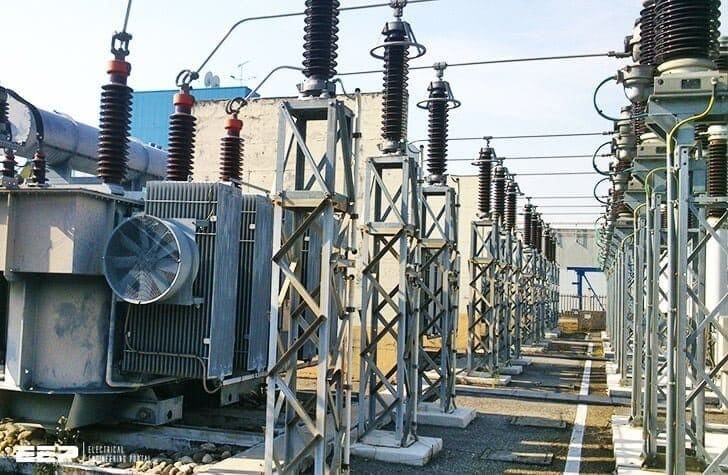
Quality electrical power systems depend on the infrastructure of its substations. They are advanced installations that are at the junction points where electrical energy is converted, regulated and delivered to diverse requirements of present-day industrial and business activities. Engineers, facility managers and other industry professionals who rely on reliable, high quality power delivery need to understand the different possible types of electrical substation configurations. Electrical substations represent far more than simple switching points in the power grid. They are symbolic of decades of engineering ingenuity, with inbuilt superior protection mechanisms, automation systems and intelligent monitoring systems that guarantee a smooth power supply flow, all the way from the generation plant to the end users. The intricacy and finesse of such installations indicates their dire importance in the sustainability of the economic activity of the industrial operations in East Africa and beyond. The relevance of substations as part of the strategy becomes especially noticeable taking into account the high rates of the industrial growth and infrastructure development that takes place in Kenya, Uganda, and Tanzania. Due to the growing number of manufacturing facilities, commercial complexes and the growing automation in the industry, the need to have quality, effectively designed substation systems is ever increasing. Primary Classification of Substation Types The electrical power industry categorizes substations based on several key criteria, including voltage levels, functional purposes, and operational characteristics. This classification system helps engineers and operators select the most appropriate substation configuration for specific applications and operating environments. Transmission Substations: The High-Voltage Workhorses Electrical transmission substation facilities operate at the highest voltage levels within the power system hierarchy, typically handling voltages ranging from 115 kV to 500 kV or higher. These installations serve as the primary interface between power generation facilities and the broader transmission network, playing a crucial role in maintaining system stability and enabling long-distance power transfer. The design complexity of transmission substations reflects their critical operational requirements. Advanced protection schemes, sophisticated control systems, and redundant equipment configurations ensure maximum reliability and rapid fault clearance capabilities. Key components include: High voltage electrical substation installations require specialized design considerations, including proper insulation coordination, electromagnetic field management, and enhanced safety protocols. The physical footprint of these facilities often spans several acres, accommodating the necessary clearances and safety margins required for high-voltage operation. Distribution Substations: Bridging Transmission and End Users Electrical distribution substation facilities serve as the vital link between high-voltage transmission systems and medium-voltage distribution networks. Operating typically at voltage levels between 4 kV and 69 kV, these installations transform electrical energy to voltage levels suitable for industrial and commercial customers. The operational flexibility of distribution substations makes them particularly valuable in urban and industrial environments where diverse load characteristics and varying power quality requirements must be accommodated. Modern distribution substations incorporate: Distribution substations often feature more compact designs compared to their transmission counterparts, utilizing space-efficient equipment arrangements and innovative technologies such as gas-insulated switchgear (GIS) in areas where real estate costs are prohibitive. Specialized Substation Configurations Beyond the primary transmission and distribution categories, numerous specialized substation types serve specific operational requirements and system conditions. These configurations address unique challenges related to system integration, load characteristics, and operational flexibility. Switching Substations: Enhancing System Flexibility Switching substations primarily facilitate network reconfiguration and power flow control without significant voltage transformation. These facilities enable utilities and industrial operators to optimize system performance, improve reliability, and accommodate changing load patterns. The strategic placement of switching substations enhances overall system reliability by providing alternative power paths and enabling rapid isolation of faulted sections. Modern switching stations incorporate advanced automation systems that can execute predetermined switching sequences within seconds of detecting system disturbances. Mobile and Portable Substations: Temporary Power Solutions Mobile and portable electrical substation units, as well as mobile and portable configurations, meet temporary power needs, and emergency situations. These miniature installations offer necessary electrical infrastructure in the event of scheduled maintenance outages, natural disasters, or temporary industrial processes. The engineering problems that are related to the design of small electricity substations are the need to have maximum functionality with minimum size and weight requirements. These units incorporate advanced materials, novel cooling systems, and integrated control technologies to provide performance levels comparable to permanent installations. Indoor vs. Outdoor Installations Environmental conditions, available space, and operational requirements influence the choice between indoor and outdoor substation configurations. Indoor installations offer superior protection from environmental factors and enhanced security, while outdoor facilities typically provide easier maintenance access and lower initial costs. Climate considerations become particularly important in East African environments, where high ambient temperatures, humidity variations, and seasonal weather patterns can significantly impact equipment performance and maintenance requirements. Modern Substation Technologies and Innovations Contemporary substation design incorporates numerous technological advances that enhance performance, reliability, and operational efficiency. Digital transformation initiatives within the electrical power industry have revolutionized traditional substation operations through intelligent automation and advanced monitoring capabilities. Digital Substations and IEC 61850 Protocol Digital substation architectures leverage standardized communication protocols, particularly IEC 61850, to enable seamless integration of protection, control, and monitoring functions. This technology eliminates traditional copper wiring between devices, replacing it with fiber optic communication networks that provide superior reliability and flexibility. The implementation of digital substation technologies offers several operational advantages: Smart Grid Integration Recent developments in modern substations form important nodes in new smart grid systems, which include sophisticated sensors, communication networks and analytical tools. These technologies facilitate real-time monitoring of system conditions, automatic response to disturbances, and optimization of power flow patterns. Advanced substation applications enhance demand response programs, renewable energy integration, and customer service capabilities. Data harvested on such installations can be used to get important insights on the trends of system performance and offer proactive maintenance plans. Environmental Considerations and Sustainability Contemporary substation design increasingly emphasizes environmental responsibility and sustainability. Low-impact construction techniques, environmentally friendly insulating materials, and energy-efficient operational practices reduce the environmental footprint of substation installations. Noise reduction technologies, aesthetic design considerations, and minimal land use requirements address community concerns while maintaining operational effectiveness. These factors become particularly important in
Advanced Substation Engineering and Design
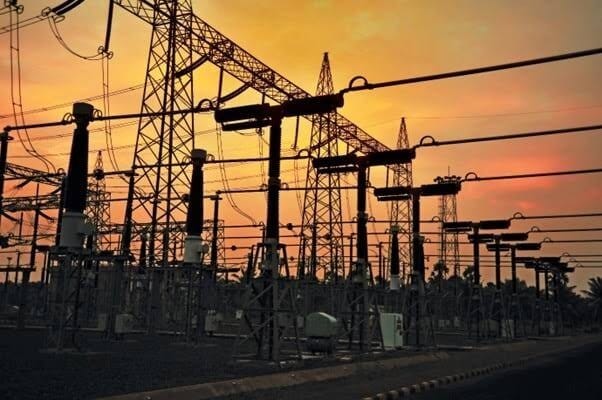
Modern electrical infrastructure demands sophisticated approaches to substation engineering and design, where technical precision meets operational excellence. With the evolving power grid to accommodate renewable energy sources, smart grid and rising loads, the specialized engineer is becoming even more significant in developing robust, efficient, and future-ready electrical substations. Modern substation projects have become far more complex than they were in the past in terms of switching and transformation capabilities. The modern electrical substation design engineer has to deal with complex issues of coordinating protection, environmental issues, cybersecurity standards, and smooth interconnection with the current grid infrastructure. Such requirements are complex and require high levels of technical knowledge and thorough knowledge of the fundamental principles and new technologies. Foundational Principles of Modern Substation Design System Architecture and Configuration A proper electrical substation engineering starts by good system analysis in terms of system requirements, load characteristics, and operational constraints. The architectural basis defines the long-run performance and maintenance needs and the ability to expand. Many bus configurations should be assessed by engineers and the evaluation criteria should be reliability requirements, fault isolation capabilities, and operating flexibility. Simple bus systems may be single bus with simplicity and low cost being of benefit in smaller installations, whereas more complex systems such as ring bus or breaker and a half arrangement provide greater reliability in critical applications. Selection is carried out after careful study of fault analysis, protection coordination, and operating conditions so as to perform optimally during normal and emergency operations. Another cornerstone of substation architecture is the protection system design. Present-day installations demand advanced relay protection schemes to offer selective clearing of faults, system stability and reduce impacts to healthy circuits. Modern digital relays provide enhanced capabilities such as adaptive protection settings, extensive event recording, and supervisory control system integration. Equipment Selection and Specification Modern substation design engineer duties include the complete assessment of equipment based on technical requirements, environmental conditions, and lifecycle costs. The main equipment selection is carried out through the analysis of power transformers, circuit breakers, disconnect switch, and current/voltage transformers. Transformer specifications should cover load requirements, voltage regulation, impedance, and cooling. Newer installations are adopting more environmentally friendly insulating fluids, and to a greater degree, sophisticated monitoring systems to allow predictive maintenance. Selection of circuit breakers includes consideration of the interrupting capacity, operating mechanism and maintenance needs, and SF6-free types are becoming more common because of environmental issues. The integration of secondary equipment should be thoroughly considered in terms of protection relays, control systems, communication networks, as well as monitoring equipment. The movement towards digital substations requires experience with IEC 61850 standards, process bus systems, and cybersecurity solutions. Advanced Design Methodologies and Technologies Digital Substation Implementation The evolution toward digital substations represents a paradigm shift in substation engineering design, incorporating advanced communication protocols, process automation, and real-time monitoring capabilities. IEC 61850 implementation enables standardized communication between intelligent electronic devices, facilitating interoperability and reducing engineering complexity. Process bus architecture eliminates traditional copper wiring between primary equipment and protection systems, utilizing fiber optic networks for high-speed, immune-to-electromagnetic-interference communication. This approach reduces installation complexity, improves measurement accuracy, and enables advanced functionality such as traveling wave fault location and synchronized measurements. Digital twin technology increasingly supports design validation and operational optimization. Virtual modeling allows engineers to simulate various operating scenarios, validate protection settings, and optimize control strategies before physical implementation. This approach reduces commissioning time, minimizes operational risks, and supports ongoing performance optimization. Grid Integration and Smart Grid Technologies Modern electrical substation design engineer practices must accommodate bidirectional power flows, renewable energy integration, and demand response capabilities. Grid-tied solar installations, wind farms, and energy storage systems introduce unique challenges related to power quality, protection coordination, and grid stability. Advanced voltage regulation schemes, including on-load tap changers and static VAR compensators, become essential for maintaining power quality in dynamic grid conditions. Harmonic filtering and power factor correction systems address power quality issues associated with renewable energy sources and modern electronic loads. Communication infrastructure design supports wide-area monitoring and control systems, enabling real-time situational awareness and coordinated response to grid disturbances. SCADA systems, PMU networks, and cybersecurity protocols form integrated solutions supporting reliable grid operations. Specialized Engineering Disciplines in Substation Projects Civil and Structural Engineering Integration Substation civil engineering design encompasses foundation systems, equipment support structures, and site infrastructure development. Foundation design must accommodate equipment loads, seismic requirements, and soil conditions while providing long-term stability and minimal maintenance requirements. Structural steel design involves equipment support structures, bus support systems, and cable trays designed to withstand mechanical loads, short-circuit forces, and environmental conditions. Modern installations increasingly incorporate prefabricated modular components to reduce field construction time and improve quality control. Site grounding systems require sophisticated design to ensure personnel safety, equipment protection, and electromagnetic compatibility. Grounding grid design involves soil resistivity analysis, touch and step potential calculations, and coordination with lightning protection systems. Environmental and Regulatory Compliance Contemporary substation projects must address comprehensive environmental regulations, noise control requirements, and visual impact considerations. Environmental impact assessments evaluate effects on local ecosystems, water resources, and air quality, with mitigation measures incorporated into project design. Oil containment systems for transformers and other fluid-filled equipment require secondary containment capabilities sized for worst-case spill scenarios. Modern installations incorporate advanced leak detection systems and automated response capabilities to minimize environmental risks. Electromagnetic field analysis ensures compliance with exposure limits for personnel and sensitive equipment. Design optimization techniques minimize field levels while maintaining electrical performance and clearance requirements. Advanced Protection and Control Systems Comprehensive Protection Coordination Modern electrical substation engineering demands sophisticated protection coordination considering diverse generation sources, complex load characteristics, and varying system configurations. Protection engineers must develop selective relay settings that provide rapid fault clearing while maintaining coordination with upstream and downstream protective devices. Adaptive protection schemes adjust relay settings based on real-time system conditions, improving performance during various operating scenarios. Machine learning algorithms increasingly support protection system optimization, analyzing historical fault data and system performance to enhance reliability and selectivity. Wide-area protection systems coordinate multiple substations to maintain system stability
Critical Factors for Successful Electrical Substation Building

The design and construction of electrical substations is critical to the performance of any electrical power system. Electrical substations components are the nerve centers for transforming, distributing, and controlling electrical power flow across networks. This makes electrical substation building a necessity that demands technical and strategic foresight. The present-day power grids are struggling to keep up with new challenges, with the demand to integrate more renewable energy, and the necessity to ensure a greater resilience of the grids. The nature of the electrical infrastructure in the modern environment is very complex and demanding a profound knowledge of the technical specifications is not sufficient to take the design to its operational stage as the complex interdependence of different parts of the sub-systems, environmental factors to be considered, and the long term functional needs have to be understood well. To an experienced electrical engineer, the art of developing substations goes much beyond installation of equipment. It involves a thorough site study, complex protection strategies, state-of-the-art automation and a combination of latest technologies that will deliver power reliably in the next decades. Essential Components of Modern Substation Infrastructure Power Transformation Equipment Transformation capabilities are the heart of any substation. The load characteristics, fault tolerance, and thermal management of high-voltage transformers are places where special attention should be paid as it is the main linkage between transmission and distribution systems. Step-down transformers will require selecting not only based on current demand but also future growth trends so that the infrastructure will remain viable over the lifespan of their operation. The latest transformer installations have built-in modern monitoring systems displaying the real-time information about temperature, oil quality, and internal conditions. These smart systems provide the possibility of predictive maintenance approaches that greatly prolong the life of equipment, and minimize surprise breakdowns. Switchgear and Protection Systems Medium voltage switchgear forms the protective backbone of substation operations. Circuit breakers, disconnect switches, and protective relays work in concert to isolate faults and maintain system stability. The selection of switchgear technology—whether air-insulated (AIS) or gas-insulated (GIS)—depends heavily on space constraints, environmental conditions, and reliability requirements. Protection schemes have evolved from simple overcurrent devices to sophisticated digital relay systems capable of advanced fault analysis and communication with other protective devices across the network. These systems incorporate features like: Design Considerations for Optimal Performance Site Selection and Environmental Factors The foundation of successful electrical substation building begins with comprehensive site evaluation. Soil conditions directly impact grounding system effectiveness, requiring detailed resistivity measurements and geological assessments. Factors such as seismic activity, flood zones, and extreme weather patterns must be incorporated into structural design specifications. Elevation considerations affect both equipment selection and protection requirements. High-altitude installations may require derating of equipment or enhanced insulation coordination due to reduced air density. Similarly, coastal installations demand special attention to corrosion protection and salt contamination mitigation. Electrical Design Parameters Load flow studies and short-circuit analysis form the technical foundation for substation design. These studies determine conductor sizing, protection device ratings, and fault current capabilities throughout the system. Proper coordination studies ensure that protective devices operate in the correct sequence during fault conditions, minimizing system disruptions. Grounding system design represents one of the most critical safety aspects of substation construction. The ground grid must provide low-resistance fault paths while maintaining safe step and touch potentials during fault conditions. Computer modeling helps optimize grid design to meet safety standards while minimizing material costs. Construction Methodologies and Best Practices Project Planning and Execution Electrical substation construction firms tend to adopt a phased nature of the project delivery wherein initial stages are the detailed engineering and procurement activities followed by the construction activities. Modern substations are very complex and therefore the work of various professions such as civil, electrical, protection and telecommunications engineering, have to be coordinated. The use of the modular type of construction has become popular due to the benefits of speed of on-site construction and quality control. Factory-built control buildings, pre-assembled switchgear modules and tested protection panels are some of the items that can make a big difference in the schedule of a project with little compromise in quality. Quality Assurance and Testing Comprehensive testing protocols ensure that all substation components function correctly both individually and as integrated systems. Factory acceptance tests (FAT) verify equipment performance before shipment, while site acceptance tests (SAT) confirm proper installation and commissioning. Testing procedures encompass: Integration of Advanced Technologies Automation and Control Systems Modern substations incorporate sophisticated SCADA systems that provide remote monitoring and control capabilities. These systems enable operators to respond quickly to changing system conditions while maintaining detailed historical records for analysis and maintenance planning. Digital substations represent the cutting edge of substation technology, utilizing IEC 61850 communication protocols to create fully integrated automation systems. Process buses and merging units replace traditional copper wiring with fiber optic communication links, reducing installation complexity while enhancing system reliability and flexibility. Smart Grid Integration The evolution toward smart grid technologies has transformed substation requirements. Advanced metering infrastructure (AMI) integration, demand response capabilities, and renewable energy interconnection all require sophisticated control and communication systems. Energy storage integration at the substation level provides grid stabilization services and peak shaving capabilities. Battery energy storage systems (BESS) require specialized protection schemes and fire suppression systems, adding complexity to traditional substation designs. Specialized Considerations for Different Applications Transmission Substations High-voltage transmission substations require specialized design considerations for insulation coordination and clearance requirements. Air-insulated substations demand significant land area but offer accessibility advantages for maintenance activities. Gas-insulated substations provide compact solutions for urban environments but require specialized maintenance procedures and SF6 gas handling protocols. Distribution Substations Distribution-level installations focus on serving local load requirements with emphasis on reliability and cost-effectiveness. Automatic voltage regulators, capacitor banks for power factor correction, and load tap changers help maintain power quality while optimizing system efficiency. Distribution automation systems enable remote switching and fault isolation, reducing outage duration and improving customer satisfaction. These systems integrate with advanced distribution management systems (ADMS) to provide operators with comprehensive system visibility. Regulatory Compliance and Safety
The Evolution of Electrical Automation
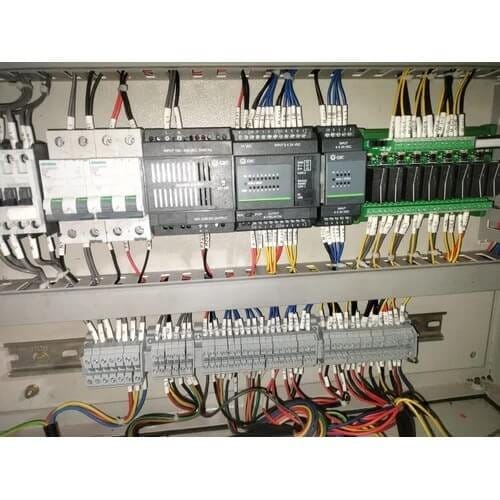
The industrial landscape has undergone a remarkable transformation over the past few decades, with electrical automation serving as the cornerstone of this evolution. What began as simple mechanical processes has evolved into sophisticated, interconnected systems that respond intelligently to operational demands. This technological revolution has fundamentally changed how industries approach efficiency, safety, and productivity. Modern facilities no longer rely on manual oversight and mechanical controls. Instead, they leverage automated electrical systems that can predict, adapt, and optimize performance in real-time. The integration of advanced sensors, programmable logic controllers, and intelligent software has created an ecosystem where human intervention becomes strategic rather than operational. The shift toward comprehensive automation electrical solutions represents more than just technological advancement—it embodies a fundamental reimagining of industrial operations. Organizations that embrace these technologies find themselves better positioned to compete in an increasingly demanding global marketplace. Understanding the Core Components of Modern Electrical Automation Intelligent Control Systems At the heart of every effective electrical automation system lies a sophisticated control architecture. These systems integrate multiple layers of intelligence, from basic input/output processing to advanced algorithmic decision-making. Modern programmable logic controllers (PLCs) serve as the central nervous system, processing thousands of data points per second while maintaining precise control over critical operations. The evolution from simple relay-based controls to microprocessor-driven systems has enabled unprecedented levels of precision and reliability. Today’s controllers can handle complex mathematical calculations, implement advanced control algorithms, and communicate seamlessly with enterprise-level systems. This integration allows for holistic operational visibility and control. Variable frequency drives (VFDs) exemplify how individual components contribute to system-wide efficiency. These devices not only control motor speed and torque but also provide detailed feedback on performance metrics, energy consumption, and predictive maintenance indicators. The data generated becomes invaluable for optimizing overall system performance. Sensor Networks and Data Acquisition The proliferation of intelligent sensors has transformed how electrical automation controls gather and process information. Modern sensor networks extend far beyond traditional temperature and pressure monitoring, incorporating vibration analysis, power quality assessment, and even environmental factors that might impact operations. Advanced data acquisition systems create comprehensive operational profiles that enable predictive analytics and proactive maintenance strategies. These systems can identify patterns that precede equipment failures, allowing maintenance teams to address issues before they impact production. The integration of wireless sensor networks has further expanded monitoring capabilities while reducing installation complexity. Real-time data processing capabilities ensure that automation electrical systems can respond immediately to changing conditions. This responsiveness is crucial in applications where even minor deviations can result in significant operational or safety consequences. Strategic Implementation Approaches System Architecture Design Successful implementation of electrical automation requires careful consideration of system architecture from the outset. The design phase must account for current operational requirements while building in flexibility for future expansion and technological evolution. This forward-thinking approach prevents costly retrofits and ensures long-term system viability. Network topology plays a crucial role in determining system reliability and performance. Modern industrial networks utilize redundant communication paths and failover mechanisms to ensure continuous operation even when individual components experience issues. The selection of communication protocols directly impacts system interoperability and future expansion possibilities. Integration with existing infrastructure presents both challenges and opportunities. Experienced electrical automation engineers understand how to leverage legacy systems while introducing new technologies that enhance overall capabilities. This hybrid approach often provides the most cost-effective path to modernization. Human-Machine Interface Evolution The relationship between operators and automated electrical systems has evolved significantly as interfaces become more intuitive and informative. Modern human-machine interfaces (HMIs) provide comprehensive operational visibility while simplifying complex processes into manageable, actionable information. Touchscreen displays have largely replaced traditional button and switch panels, offering dynamic interfaces that can adapt to different operational modes and user preferences. These systems provide real-time graphics, trend analysis, and alarm management that enable operators to make informed decisions quickly. Mobile accessibility has become increasingly important as operational teams require remote monitoring and control capabilities. Modern systems provide secure access through mobile applications and web-based interfaces, allowing key personnel to maintain operational awareness regardless of location. Industry-Specific Applications and Benefits Manufacturing and Process Industries Manufacturing environments have embraced electrical automation services to achieve levels of precision and consistency that manual operations simply cannot match. Automated production lines can maintain tolerances measured in microns while operating continuously for extended periods. This capability directly translates to improved product quality and reduced waste. Process industries, including chemical, pharmaceutical, and food processing, rely on electrical engineering and automation to maintain strict environmental controls and ensure product safety. Automated systems can maintain precise temperature, pressure, and chemical composition parameters while documenting every aspect of the production process for regulatory compliance. The integration of quality control systems with production automation creates closed-loop processes that can automatically adjust parameters based on real-time quality measurements. This approach minimizes defects and reduces the need for costly post-production corrections. Infrastructure and Utilities Power generation and distribution systems represent some of the most sophisticated applications of electrical automation technology. These systems must maintain stable operations while accommodating variable demand and integrating renewable energy sources. Advanced control systems can automatically balance generation and consumption while optimizing efficiency across the entire grid. Water treatment and distribution facilities utilize automated systems to maintain water quality standards while minimizing energy consumption. These systems can adjust treatment processes based on source water quality variations and optimize pump operations based on demand patterns. Building automation systems integrate HVAC, lighting, and security systems to create environments that automatically adapt to occupancy patterns and environmental conditions. These systems can significantly reduce energy consumption while maintaining optimal comfort levels. Advanced Technologies Shaping the Future Artificial Intelligence Integration The incorporation of artificial intelligence into electrical automation systems represents the next evolutionary step in industrial control. Machine learning algorithms can analyze vast amounts of operational data to identify optimization opportunities that might not be apparent through traditional analysis methods. Predictive analytics capabilities enable systems to forecast equipment failures, optimize maintenance schedules, and adjust operational parameters based on predicted demand patterns. This proactive approach significantly reduces unplanned downtime while optimizing
Comprehensive Substation Design
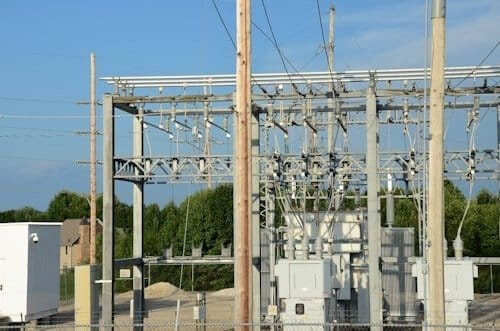
The backbone of any robust electrical power system lies in its substations, where the intricate art and science of substation design converge to create reliable, efficient power distribution networks. As power demands continue to escalate across industrial and commercial sectors, the importance of meticulously planned and executed substation projects cannot be overstated. Modern electrical substation design requires a deep understanding of both traditional engineering principles and cutting-edge technological innovations that drive today’s power infrastructure. Electrical substations serve as critical nodes in power transmission and distribution networks, transforming voltage levels, switching circuits, and providing protection for downstream equipment. The complexity of these installations demands expertise that spans multiple engineering disciplines, from high-voltage equipment specification to sophisticated control system integration. Whether you’re dealing with transmission substations handling hundreds of kilovolts or distribution substations serving local communities, the fundamental principles of sound design remain paramount. The evolution of substation technology has been remarkable over recent decades. Digital technologies, smart grid integration, and enhanced safety protocols have transformed how engineers approach substation projects. Today’s professionals must navigate increasingly complex regulatory environments while delivering solutions that meet stringent reliability requirements and environmental standards. Fundamental Principles of Modern Substation Design Understanding System Requirements and Load Analysis Every successful substation project begins with comprehensive system analysis. Load forecasting forms the foundation of effective substation design, requiring engineers to analyze current demand patterns while projecting future growth scenarios. This analysis encompasses peak demand calculations, load diversity factors, and contingency planning for equipment failures or maintenance outages. Power flow studies reveal how electrical energy moves through the proposed substation configuration under various operating conditions. These studies help determine optimal equipment ratings, identify potential bottlenecks, and validate the overall design approach. Short-circuit analysis ensures that protective equipment can safely interrupt fault currents, while stability studies confirm that the substation will maintain reliable operation during system disturbances. The selection of voltage levels represents another critical design decision. Primary voltage levels must align with existing transmission and distribution infrastructure while providing adequate capacity for future expansion. Secondary voltage levels should match the requirements of connected loads or downstream distribution systems. Equipment Selection and Specification Modern substations incorporate sophisticated equipment that must work harmoniously within the overall system design. Power transformers represent the heart of most substations, requiring careful consideration of capacity, voltage ratios, cooling systems, and protection features. Transformer selection impacts numerous other design elements, from foundation requirements to fire protection systems. Switchgear selection involves evaluating various technologies including air-insulated switchgear (AIS), gas-insulated switchgear (GIS), and hybrid solutions. Each technology offers distinct advantages depending on space constraints, environmental conditions, and operational requirements. GIS installations provide compact footprints ideal for urban applications, while AIS systems often prove more cost-effective for larger installations with adequate space. Protection and control systems have evolved dramatically with digital technology integration. Modern protective relays offer extensive functionality beyond traditional overcurrent and differential protection, incorporating sophisticated monitoring, diagnostics, and communication capabilities that enhance overall system reliability. Electrical Substation Layout Optimization and Spatial Planning Site Selection and Preparation Considerations Optimal site selection significantly influences both construction costs and long-term operational efficiency. Geotechnical investigations reveal soil conditions that affect foundation design and grounding system installation. Environmental assessments identify potential constraints related to wildlife protection, flood zones, or archaeological significance that may impact project development. Access considerations encompass both construction logistics and long-term maintenance requirements. Equipment delivery routes must accommodate large transformers and other heavy components, while permanent access roads need to support maintenance vehicles and emergency response equipment. Strategic placement of maintenance facilities, spare parts storage, and administrative buildings contributes to operational efficiency. Expansion planning requires allocating space for future equipment additions or upgrades. Many successful substations incorporate modular design approaches that facilitate systematic expansion as system requirements evolve. This forward-thinking approach minimizes future construction disruption while controlling long-term capital expenditure. Clearance Requirements and Safety Zones Electrical substation drawing specifications must incorporate minimum clearance requirements established by relevant standards and regulatory authorities. These clearances ensure safe operation and maintenance while preventing flashovers between energized components and grounded structures. Live parts clearances vary with voltage levels and environmental conditions. Higher altitudes require increased clearances due to reduced air density, while coastal locations may need additional considerations for salt contamination. Working space requirements around equipment must accommodate maintenance personnel and specialized tools required for various operational tasks. Fire protection zones influence equipment spacing and the placement of fire suppression systems. Oil-filled transformers require specific separation distances from buildings and other equipment, while fire walls may be necessary in space-constrained installations. Rural and Remote Substation Design Challenges Unique Considerations for Remote Installations Rural substation design guide principles recognize the distinct challenges faced when developing power infrastructure in remote locations. Limited access to skilled labor, extended construction timelines, and challenging logistics significantly impact project planning and execution strategies. Remote substations often require enhanced automation and monitoring capabilities to minimize the need for frequent site visits. SCADA systems and remote monitoring equipment enable operators to assess substation performance and respond to alarms from centralized control centers. This technology proves particularly valuable where travel to remote sites may be time-consuming or seasonally restricted. Component redundancy becomes more critical in remote installations where equipment failures could result in extended outages due to repair logistics. Spare parts inventory management requires careful planning to balance carrying costs against the risk of extended downtime while awaiting replacement components. Environmental and Climatic Adaptations Remote substations frequently encounter harsh environmental conditions that influence equipment selection and installation practices. Temperature extremes, high humidity, dust, and wildlife interactions all impact long-term reliability and maintenance requirements. Corrosion protection assumes greater importance in challenging environments. Protective coatings, cathodic protection systems, and material selection all contribute to extending equipment life in aggressive conditions. Regular inspection and maintenance programs must account for accelerated degradation in harsh environments. Wildlife protection measures prevent animal-caused outages that can be particularly disruptive in remote areas. These measures include wildlife guards, nest deterrents, and specialized conductor designs that reduce the likelihood of animal contact with energized equipment. Advanced Design Considerations and Modern Technologies
Design Considerations for Electrical Substation Transformer Selection
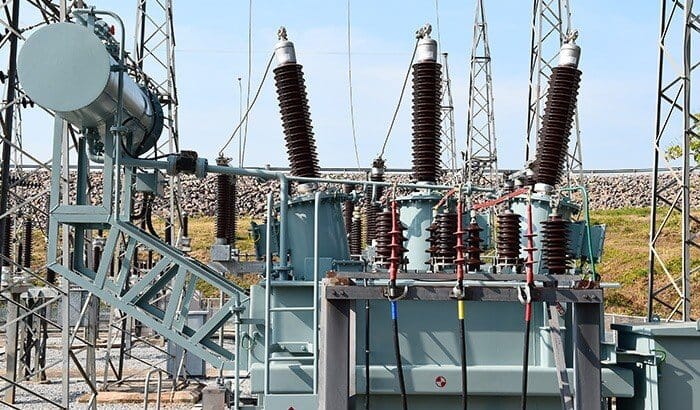
The backbone of any reliable power distribution network hinges on the strategic selection and deployment of electrical substation transformer systems. These essential assets are the linchpins of the pathway between generation plants and ultimate users, so grid stability hinges on their design, specification and maintenance. The past few decades have seen a revolution in material science and monitoring technologies, which completely changed the way we approach the selection of transformers, but the engineering principles involved have not only not lost their importance, they have gained new ones. Understanding the Role of Electrical Substation Transformers in Grid Architecture Electrical substation transformers operate at the nexus of power transmission and distribution networks, performing voltage transformation while maintaining system stability under varying load conditions. The installations have special considerations that distinguish them as compared to standard distribution transformers such as more demanding levels of fault current, protection coordination needs and reliability requirements. The development of grid structure into distributed generation and integration of renewable energy sources has completely changed the working paradigm of transformer substation installations. New substations need to support two-way power flows, address harmonic distortion caused by inverter-based generation and voltage control with load profiles that are becoming more volatile. This transition requires an advanced knowledge of the transformer behaviors beyond conventional nameplate ratings. Modern substation transformer design requirements have to consider non-linear loads, possible geomagnetically induced currents and the thermal cycling nature of renewable generation profiles. The selection system has become integrated with recent modeling tools, such as finite element analysis in determining the magnetic field distribution and computational fluid dynamics on cooling system optimization. Key Design Parameters for Transformer and Substation Integration Impedance Matching and System Coordination The design of electrical transformer substation components is directly affected by the impedance characteristics, which affect the fault current, voltage regulation and parallel operation. There is always a tradeoff between the competing needs of choosing optimal impedance, as lower impedance enhances voltage regulation, but also raises fault currents, and can be larger than switchgear rating. The modeling of impedance conditions under different scenarios to determine their effects on the protection coordination and the arc flash hazard can now be done using system studies and their complex software platforms. These analyses take into account not only steady-state conditions, but also transient effects, such as ferroresonance susceptibility and inrush current levels. Cooling System Architecture and Efficiency Optimization Thermal management represents a critical design consideration for transformer and substation reliability. The selection between ONAN, ONAF, OFAF, and OFWF cooling modes involves complex trade-offs between capital costs, operating expenses, and maintenance requirements. Each cooling methodology presents distinct advantages depending on ambient conditions, load patterns, and space constraints. Modern cooling system designs increasingly incorporate variable-speed pumps and fans, enabling dynamic thermal management based on real-time loading and ambient conditions. This approach optimizes energy consumption while extending insulation life through reduced thermal stress. Advanced monitoring systems track top oil temperatures, winding hot spots, and cooling system performance, enabling predictive maintenance strategies. The integration of synthetic ester fluids as alternatives to mineral oil introduces additional design considerations. While offering superior fire safety and environmental characteristics, these fluids exhibit different thermal properties, requiring careful evaluation of cooling system sizing and control strategies. Advanced Materials and Manufacturing Techniques in Substation vs Transformer Applications Core Material Selection and Loss Optimization The distinction between substation vs transformer applications becomes particularly evident in core material selection. Substation transformers typically employ higher-grade silicon steel or amorphous metal cores to minimize no-load losses, recognizing their continuous operation at relatively stable loading levels. Recent developments in domain-refined grain-oriented silicon steel have achieved specific losses below 0.9 W/kg at 1.7 Tesla, representing significant efficiency improvements. These materials, while commanding premium prices, often justify their selection through reduced lifecycle costs, particularly in regions with high energy prices or stringent efficiency regulations. Manufacturing techniques such as step-lap core construction and laser scribing further reduce core losses while minimizing audible noise, an increasingly important consideration for urban electrical substation transformers. The application of finite element modeling during design phases enables optimization of flux distribution, minimizing localized heating and extending operational life. Winding Configuration and Insulation Systems The winding design for substation transformer applications must accommodate multiple, often conflicting requirements. Disk windings offer superior impulse distribution but may exhibit higher eddy losses in large units. Helical windings provide excellent mechanical strength but complicate tap changer integration. Contemporary designs increasingly employ continuously transposed cable (CTC) conductors, reducing circulating current losses while improving space utilization. The selection of paper insulation systems has evolved from traditional Kraft paper to thermally upgraded variants, extending operational temperature limits and improving moisture tolerance. Hybrid insulation systems combining solid and liquid dielectrics enable enhanced thermal performance while maintaining dielectric strength. These systems particularly benefit transformers subject to frequent overloading or operating in high ambient temperature environments. Reliability Engineering and Condition Monitoring Strategies Dissolved Gas Analysis and Predictive Diagnostics The implementation of online dissolved gas analysis (DGA) systems has transformed maintenance strategies for electrical transformer substation assets. Continuous monitoring enables early detection of incipient faults, including partial discharge activity, thermal degradation, and arcing phenomena. Pattern recognition algorithms now interpret DGA results in real-time, differentiating between normal aging processes and active deterioration mechanisms. These systems integrate with broader asset management platforms, enabling risk-based maintenance scheduling and optimized resource allocation. Advanced diagnostic techniques extend beyond traditional DGA, incorporating frequency response analysis for mechanical integrity assessment and partial discharge monitoring for insulation condition evaluation. The correlation of multiple diagnostic parameters provides comprehensive health assessment, supporting informed decision-making regarding maintenance, refurbishment, or replacement. Bushing Monitoring and Failure Prevention Bushing failures represent a significant risk to transformer substation reliability, often resulting in catastrophic failures with extensive collateral damage. Modern monitoring systems continuously track bushing capacitance and power factor, detecting deterioration before failure occurs. The integration of fiber optic temperature sensors within bushing structures enables direct measurement of conductor temperatures, identifying abnormal heating from poor connections or excessive loading. These measurements, combined with leakage current monitoring, provide comprehensive bushing condition assessment. Protection System Integration and