
The architecture of building automation system represents the foundational framework that enables modern buildings to operate intelligently, efficiently, and responsively. This architecture is not only about how various elements are linked with others. It’s also about how such systems form a unified ecosystem to deal with HVAC systems as well as security methodology. For professionals tasked with specifying, designing, or maintaining these systems, a deep understanding of building automation system architecture is essential for delivering solutions that meet both current needs and future expansion requirements.
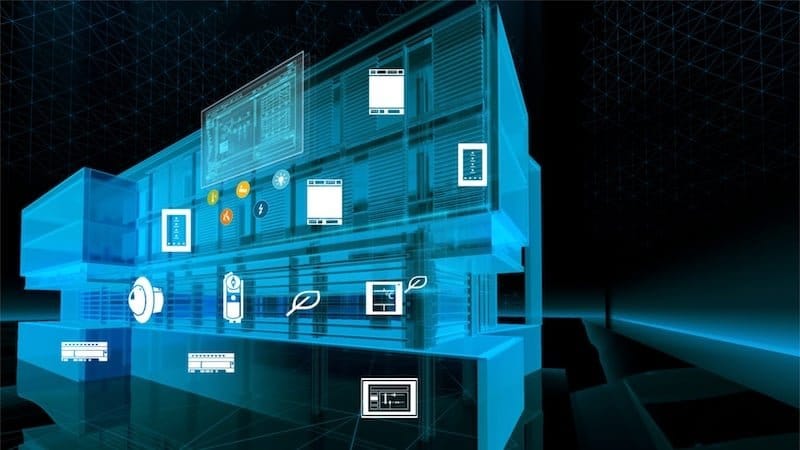
The modern commercial and industrial plants require not a simple environmental control. They require sophisticated building automation systems and services that can adapt to changing occupancy patterns, optimize energy consumption in real-time, and provide actionable data for facility management decisions. The architecture of building automation system design has evolved significantly, incorporating network technologies, open protocols, and cloud connectivity that transform buildings into intelligent assets rather than static structures.
Understanding the Foundational Layers of Building Automation System Architecture
The architecture of building automation system design operates on multiple interconnected layers, each serving distinct functions while contributing to the overall system performance. Fundamentally, this architecture is similar to a pyramid with field-level devices at the bottom, followed by controllers, network infrastructure, and finally, the management interface with operators provided an interface with the whole system.
The field level represents the most fundamental layer in the architecture of building automation system. This consists of sensors, actuators, and end devices that physically interact with building systems. The systems measure temperature, humidity, pressure, occupancy, and other parameters that operate dampers, valves, motors and switches. The cleverness of the current field devices has escalated exponentially and most of them have local processing facilities that reduce the load on the network and enhance the response time.

Network infrastructure forms the circulatory system within the architecture of building automation system, enabling communication between all components. Modern implementations typically employ a combination of wired and wireless protocols, with Ethernet-based networks becoming increasingly prevalent at the supervisory level. BACnet, Modbus, and LonWorks remain industry standards, though proprietary protocols from manufacturers like Trane building automation system solutions continue to coexist within many installations. The network architecture should be in a way that supports the bandwidth, provide
Components of Building Automation System: The Building Blocks
Understanding the components of building automation system architecture requires examining each element’s role and how they interconnect to create functional intelligence. Controllers are the level of decision making, which takes data input through sensors and the control logic to control outputs. These range from application-specific controllers dedicated to single tasks like fan coil unit control to more sophisticated programmable controllers capable of managing multiple systems simultaneously.
The supervisory layer within the architecture of building automation system provides centralized monitoring and management capabilities. With workstations with specialized software, the operator is able to see the performance of the system and reach setpoints, schedules and alarm responses. Modern interfaces incorporate dashboards that present complex data through intuitive graphics, making it easier for facility managers to identify trends and anomalies that might indicate equipment problems or optimization opportunities.
Data management and storage infrastructure has become increasingly important in contemporary building automation system architecture. The analysis of energy, predictive maintenance, and performance benchmarking is possible through historical data collection. On-demand storage services are popular now. They have an extremely large capacity and you can access them from anywhere so long as you have internet access. This evolution supports the integration of IoT building automation system concepts, where traditional building systems converge with enterprise IT infrastructure to create truly smart buildings.
Integration Strategies Within Building Automation System Architecture
The architecture of building automation system implementation must account for integration with both building systems and enterprise networks. HVAC systems typically receive priority in automation strategies, but lighting control, access security, fire safety, and power monitoring all benefit from inclusion in the overall architecture. Open protocol adoption facilitates integration by enabling equipment from different manufacturers to communicate effectively, reducing vendor lock-in and providing flexibility for future modifications.
Building automation for landlords and property management companies requires architecture that supports multi-tenant scenarios. It will entail the capacity of partitioning systems, to ascertain utility expenses, and to give tenants proper access to controls which impact their spaces along with the preservation of the integrity of building wide systems. The architecture of building automation system in commercial real estate must balance individual comfort preferences with overall building efficiency objectives.
Enterprise system integration extends the building automation system architecture beyond traditional boundaries. The work order generation is streamlined through links to computerized maintenance management systems in case of equipment faults. Demonstration The systems can integrate with energy management systems to participate in demand response and reduce utility costs. Utility information is forwarded to the financial systems to properly track the budget and bill tenants. These links make building automation a tool that operates independently to a one that is an operational tool that helps in achieving organizational goals.
Building Automation System Installation: Architectural Considerations
Proper building automation system installation begins with architecture design that considers both current requirements and future growth. Physical infrastructure planning determines where to locate controllers, how to power devices, and what cable to utilize. Modern installations increasingly rely on wireless sensors and battery-powered devices to reduce installation costs and improve flexibility, but the core network backbone still requires careful physical planning.
The architecture of building automation system must account for system scalability. The capacity of controllers, network bandwidth, and server processing speed ought to be in line with the expected growth without having to change it wholesale. This long-term mindset avoids the frequent situation in which effective initial implementations are curtailed by architecture constraints in situations where the people owning them desire to proceed with automation to other regions or systems.
Commissioning represents a critical phase in building automation system installation, verifying that the implemented architecture performs as designed. This process inspections communication channels, verifies control programmes, calibers sensors and records system setup. Thorough commissioning prevents the operational problems that plague poorly executed installations, ensuring that the sophisticated architecture of the building automation system delivers its promised benefits from day one.
Advanced Architectural Concepts in Modern Building Automation
Contemporary building automation system architecture increasingly incorporates edge computing capabilities that distribute intelligence throughout the system rather than concentrating it centrally. Edge devices are capable of performing local control logic and are less reliant on the network and enhance response times of time-sensitive functions. This distributed architecture will increase resilience in the system due to the fact that local operations are not halted when there is a disruption in communication with central servers.
Cybersecurity considerations have become paramount in architecture of building automation system design as these systems connect to corporate networks and the internet. These isolations are network segmentation between automation traffic of buildings and other enterprise traffic, which minimizes the attack area. Encryption will be used to deliver security to the data flowing between systems whereas the authentication will make sure that authorized users can only access the system functions. The architectural design should take into consideration regular security updates and patch management to keep pace with the changing threats.
The integration of artificial intelligence and machine learning represents the frontier of building automation system evolution. The predictive features offered by these technologies make it possible to predict the possible failure of equipment before its implementation, implement relevant control strategies depending on the observed patterns, and adapt to the transformation of specific conditions automatically. The architecture of building automation system must provide the data infrastructure necessary to support these advanced analytics, including adequate storage, processing power, and connectivity to cloud-based services where intensive computations typically occur.
Selecting the Right Architecture for Your Facility
Choosing the appropriate architecture of building automation system depends on numerous factors including building size, complexity, existing infrastructure, budget constraints, and operational objectives. Smaller facilities may use a simplified architecture that incorporates packaged controllers that have preset sequences whereas large campuses need to be designed with sophisticated hierarchies and multiple network levels with high redundancy.
The preferences the owner has concerning the openness of the system play an important role in the architectural choices of the owner. Open systems that are entirely based on common protocols are the most flexible and competitive without service providers but might present more technical expertise that might be difficult to properly manage. Proprietary solutions from established manufacturers like Trane building automation system offerings provide tightly integrated packages with single-source responsibility but potentially limit future flexibility.
The decision between on-premises and cloud-based architectures represents another fundamental choice in building automation system design. Cloud applications save the need of installing local infrastructure, and allow accessibility anywhere as long as it has an internet connection, however, they come with a recurring subscription fee. Mixed strategies of using the local controllers on important functions with cloud analytics and management is gaining more popularity, achieving a balance between reliability and advanced features.
Conclusion
The architecture of building automation system design fundamentally determines how effectively a building can meet its operational, comfort, and efficiency objectives. Starting at the sensors and actuators on the field up to network infrastructure then to supervisory workstations up to cloud analytics, every architectural layer of the system adds to the overall ability. Understanding these architectural principles enables informed decisions about building automation system installation, integration strategies, and future expansion planning that align technology investments with organizational goals.
Since its inception seven decades ago, IET has been leading the pack in providing complete electrical and automation solutions throughout East Africa. Our expertise in building management solutions encompasses the complete architecture of building automation system design, implementation, and support. Whether you’re planning a new building automation system installation, upgrading existing infrastructure, or seeking optimization of current systems, IET provides the technical knowledge and regional experience necessary to deliver solutions that perform reliably in East African conditions. Contact us today to discuss how our proven approach to building automation can transform your facility’s operational performance and efficiency.