
Manufacturing facilities need sophisticated climate control systems for more than keeping the environment comfortable. Installing HVAC systems along with the associated ductwork represents a major capital expenditure that impacts operational efficiency, product quality, and profitability in the long run. Understanding how these facilities impact cost will require an in-depth analysis of the various considerations that impact the pricing models.
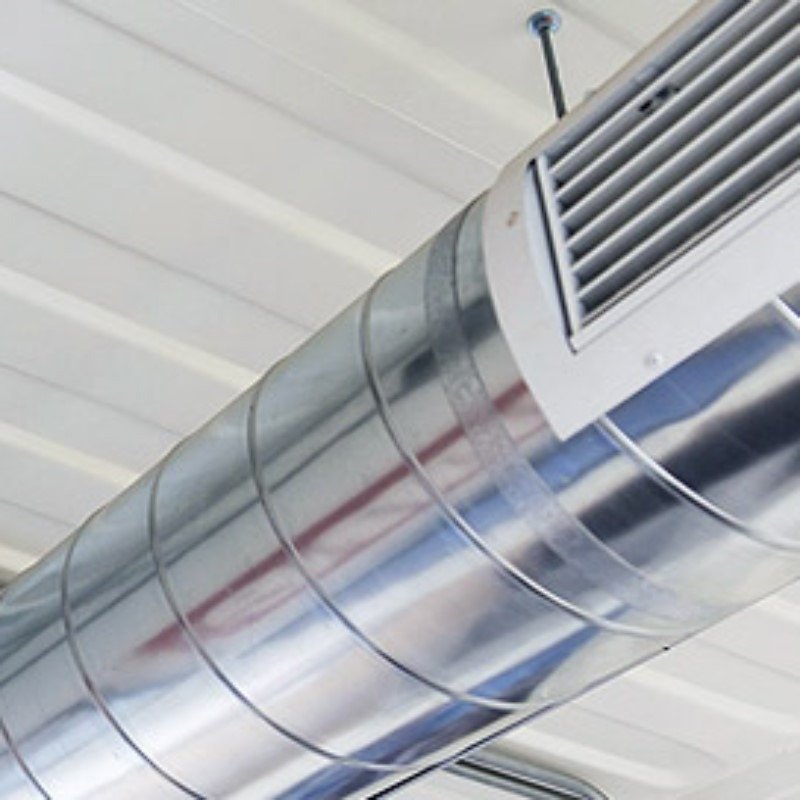
The strict environmental and specialized air handling requirements alongside the need for multi-system integration makes the manufacturing HVAC system complex. Unlike commercial office buildings, manufacturing plants have requirements for eliminating contaminants and highly specialized ventilation for process equipment. These factors increase initial investment, but recovery is seen through better production quality and meeting regulatory requirements.
Understanding Base Cost Components for Manufacturing HVAC Systems
The foundation of any HVAC and duct installation cost calculation begins with understanding the core system components. Manufacturing facilities typically require industrial-grade equipment designed to handle larger volumes, more demanding operating conditions, and continuous operation cycles. The primary cost drivers include air handling units, ductwork materials, control systems, and specialized filtration equipment.
Equipment costs alone can range from $15 to $35 per square foot for basic manufacturing spaces, with specialized facilities reaching $50 to $80 per square foot. These figures reflect the robust nature of industrial HVAC equipment, which must withstand harsh operating conditions while maintaining consistent performance. High-efficiency motors, variable frequency drives, and advanced control systems contribute significantly to upfront costs but provide substantial energy savings over the system’s lifecycle.
Labor costs represent another substantial portion of the total investment. Skilled technicians capable of handling complex industrial installations command premium rates, particularly in specialized manufacturing environments. The installation process often requires coordination with other trades, temporary shutdowns of production lines, and adherence to strict safety protocols that can extend project timelines and increase labor expenses.
Ductwork Material and Installation Considerations
Under specific processes and environmental conditions, the HVAC ductwork for manufacturing environments requires a distinct focus on the materials used. For basic processes, galvanized steel ductwork is often used; however, more advanced processes tend to require aluminum, stainless steel, or other specially coated aluminum materials that resist corrosion or chemical exposure.
The layout and the routing of ductworks in a manufacturing facility have unique challenges and complexities. The layout of the building’s safety features, ceiling and floor cranes, and various machines all have an impact on the cost of installation and ductwork. The time-consuming installation of custom hangers and specialized infrastructure increases cost.
Ductworks in manufacturing facilities have different insulation and energy efficiency needs compared to other commercial facilities. Noise control, energy efficiency, and insulation have to be more robust. Because of the factors stated, manufacturing environments require superior insulation. Even though these factors can increase the cost of basic ductworks, they have long-term benefits to the facility.
Facility-Specific Factors Affecting Installation Costs
The basic floor area of a building is not the only factor that impacts an HVAC system. The type and layout of a manufacturing facility coupled with the existing features impact HVAC system installation costs. Moreover, existing roofs, the infrastructure, and the height of the building all have an impact. In facilities where the ceiling is more than thirty feet, overhead cranes are more difficult to maneuver. Therefore, the materials and labor needed greatly increase.
The food processing industry is food processing facilities, air sanitization and filtration systems and enhanced systems and food industry fabrication facilities and sections. Precision and filtration is vital in advanced industries like aerospace, biotechnology, and pharmaceutical engineering. pharmaceutical industry pharmaceutical manufacturing facilities hot air systems and static air filtration electronics manufacturing industry. ultra clean air systems at high cost and extreme filtration to remove dust and static control systems air filtration electronics ultra clean pricing.
Regional and Market Dynamics
Geographic location within manufacturing regions affects both material costs and labor availability. Remote industrial locations may incur additional transportation costs for equipment and materials, while urban areas often face higher labor rates and more complex permitting requirements. Seasonal factors also influence pricing, with peak construction periods commanding premium rates for skilled installation crews.
Local building codes and environmental regulations create additional cost variables. Some regions require enhanced energy efficiency measures, specialized environmental controls, or extensive documentation and commissioning procedures that increase project complexity and duration. Understanding these regional requirements early in the planning process helps avoid costly surprises during implementation.
Advanced System Features and Technology Integration
Modern manufacturing HVAC systems increasingly incorporate sophisticated control systems and monitoring technologies that enhance operational efficiency while adding to initial HVAC duct installation cost calculations. Building automation systems, energy management platforms, and predictive maintenance technologies represent significant value additions that justify higher upfront investments through operational savings and improved system reliability.
Variable air volume systems, demand-controlled ventilation, and energy recovery equipment have become standard features in efficient manufacturing HVAC designs. While these technologies increase initial costs by 15-25%, they typically provide payback periods of 3-5 years through reduced energy consumption and improved system performance.
Integration with existing manufacturing systems requires specialized expertise and custom programming that commands premium pricing. However, this integration enables optimized operation based on production schedules, process requirements, and energy cost management strategies that provide substantial long-term value.
Maintenance and Lifecycle Cost Considerations
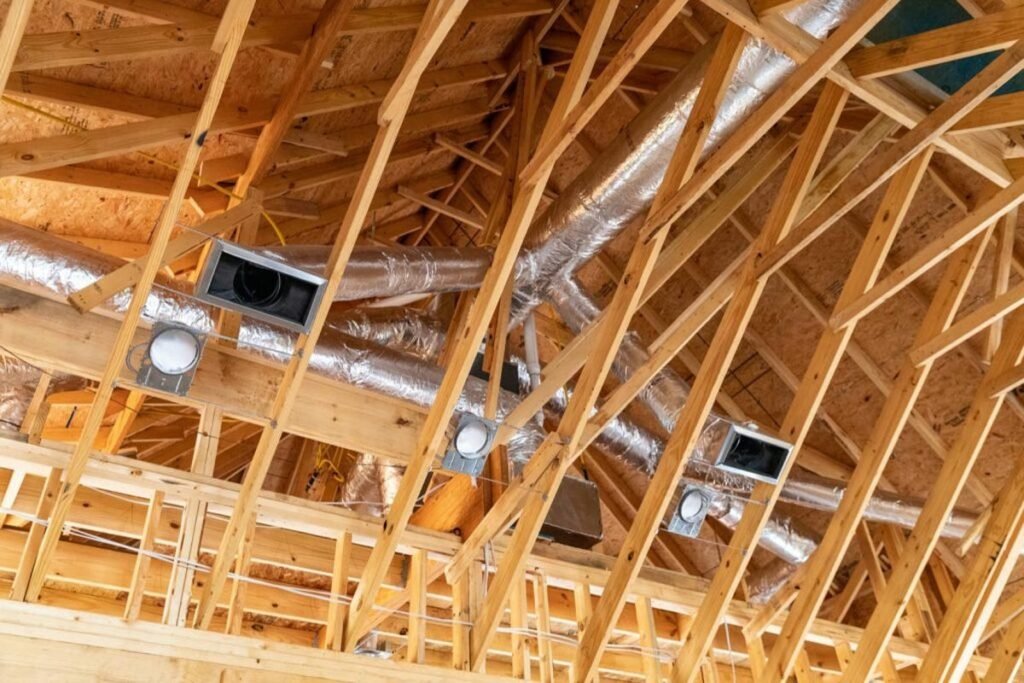
HVAC ductwork installation decisions should consider long-term maintenance requirements and operational costs. Higher-quality materials and installation practices reduce maintenance frequency and extend system life, while lower-cost alternatives may require more frequent service and earlier replacement. Accessibility for maintenance during the design phase prevents costly modifications later when service requirements become apparent.
Preventive maintenance programs become crucial for manufacturing HVAC systems due to their critical role in production quality and regulatory compliance. Systems designed with maintenance accessibility and diagnostic capabilities reduce long-term operational costs while ensuring consistent performance throughout their operational life.
Cost Optimization Strategies for Manufacturing HVAC Projects
Achieving successful cost management for manufacturing HVAC installation rests on balanced active strategies that consider future operational costs and spending. During the design phase, value engineering can be used to enhance the system’s HVAC performance while controlling costs with material choices, equipment sizing, and installation sequence.
These strategies work well with the new construction of facilities so that the work can be done while maintaining manufacturing capabilities. Facilities with a tighter operational budget, but greater availability in future budget cycles, can consider phased work strategies. These are ideal for expansions and for new construction with major renovation works as waiting for a full shut down would be incredibly expensive.
Rebate programs and tax breaks can help offset the cost of installing HVAC ductwork in manufacturing plants. Investment in energy recovery systems, along with high-efficiency equipment and advanced control technologies, improves system performance. These improvements often lower the overall cost of the project.
Project Timing and Scheduling Considerations
The timing of an installation has a direct impact on the overall project cost and the operations of the facility. Scheduled maintenance periods are ideal for the major HVAC works while peak production periods for manufacturing plants are emergency periods. Emergency work during peak periods is expensive due to the overtime labor rates.
Other facility improvement projects can be coordinated with the HVAC work for shared mobilization, equipment rental, utility shutdowns, and fewer costs overall. Addressing and planning multiple systems together improves value, as ‘piecemeal’ improvements over time often provide little to no value.
Financial Planning and Budget Development
Budgeting for manufacturing HVAC projects requires a detailed understanding of equipment, along with installation costs, to build an accurate budget. Design, permitting, system commissioning, training, and startup add 15-20% to the installation baseline, alongside installation and design. These costs help ensure optimal performance and regulatory compliance of the system.
Budgeting for unforeseen conditions needs to be adaptive with the resources and solutions available. During project renovation, manufacturing facilities often pose unexpected challenges that affect the overall schedule. Contingency planning protects the budget and schedule for unexpected conditions.
When planning long-term financing strategies, it is essential to factor in the operational advantages of high-efficiency HVAC systems. Throughout the system lifecycle, sustained positive cash flow and lowered operational risk justify the higher initial costs due to the energy savings, improved production quality, and reduced maintenance costs.
Standard commercial applications do not suffice for the expertise needed in the manufacturing HVAC installation. A thorough understanding of the industrial processes, regulatory frameworks, and the specific obstacles posed by manufacturing environments is essential for success.
Conclusion
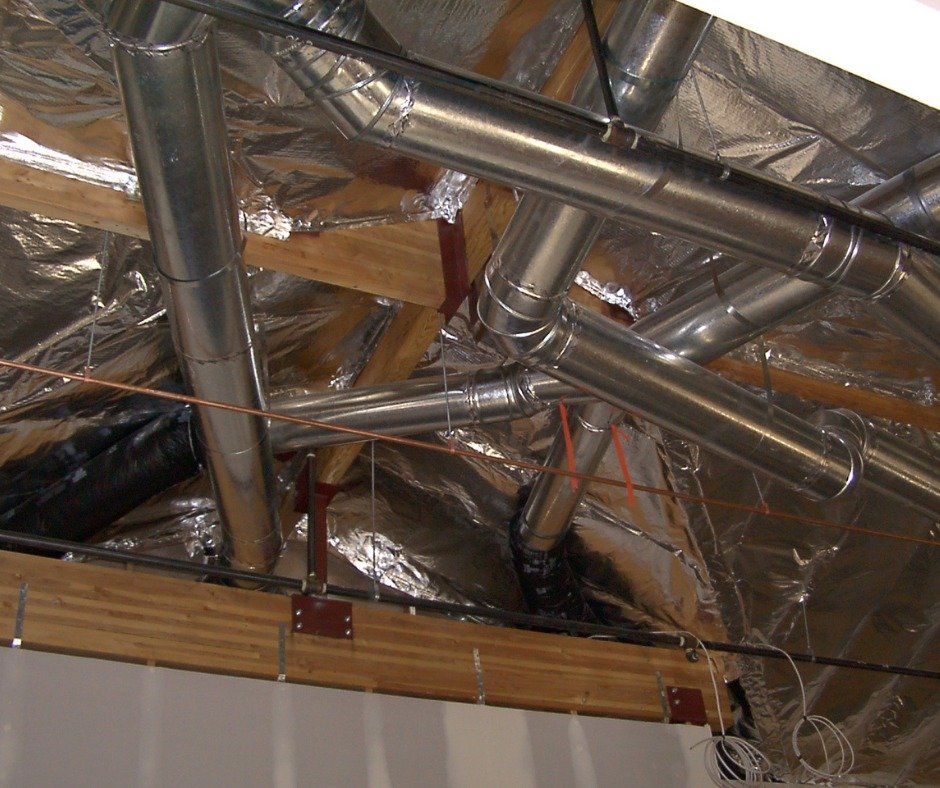
The investment for HVAC and ductwork installation in manufacturing facilities is complex and cannot be reduced to a simple square footage calculation. A well-thought-out approach to these cost drivers, optimization techniques, and the long-term strategic implications can lead to well-informed decisions that enhance value for manufacturing operations.
In-depth understanding along with cross-collaboration with other disciplines is necessary to design and execute successful manufacturing HVAC projects. The positive impact of this investment is seen in operational efficiency, compliance with regulations, and reliability of systems.
With IET, you get over 75 years of electrical engineering experience from East Africa and knowledge of manufacturing facilities in Kenya, Uganda, and Tanzania. For us, industrial automation and building management systems are more than just a collection of systems; we ensure that your investments in HVAC systems are fully integrated and, therefore, deliver your operations to their optimum value. Get in touch with us today and let us discuss how your facility’s environmental control investments can be optimized, and operational excellence be sustained using IET’s renowned complex manufacturing project skills.