
Understanding the average cost to install HVAC system is critical for the success of your project. Sophisticated climate control systems are a necessity for large scale installations, which require more than precise technical skills, prudent budgeting, and meticulous financial planning.
The complexity of these systems means that the HVAC installation costs for a given project also differ vastly. Each of these projects, including industrial complexes and commercial high rises, come with their share of unique challenges which impact the final costs. Understanding these unique factors helps project managers and engineers make informed decisions that require a balance between a project’s performance and its budget.
Climatic control installations are an integral part of large scale infrastructure projects, as they feature advanced intelligent HVAC systems, automation controls, energy optimization tools, and building management systems. Such intelligent systems integrated with existing infrastructure continuously reshape the technical and financial approaches to be taken.
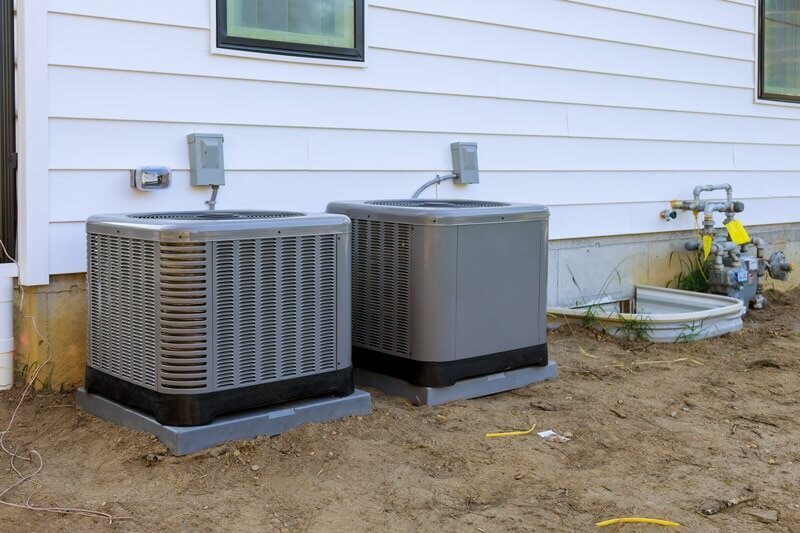
Understanding the Scope of Large-Scale HVAC Projects
Defining Large-Scale Infrastructure HVAC Systems
Large-scale HVAC systems are simply targeted at buildings that are larger than fifty thousand square feet in area, or those that are industrial in nature and need precise climate control. They cover a wide span of facilities such as manufacturing facilities, data centers, airports, shopping centers, as well as multi story office buildings. Each of these categories has distinct requirements which influence the overall cost.
The scale factor significantly impacts system complexity. Unlike residential installations, these projects often necessitate numerous zones, backup systems and advanced controls. Moreover, industrial uses may require specialized ventilation for hazardous materials or precision temperature control for certain manufacturing processes.
System redundancy becomes critical in large installations. Hospitals cannot risk HVAC downtime, while data centers cannot permit loss of cooling as equipment overheating will damage them. The large systems mounted in these facilities require extensive backup systems and fail-safes. These factors greatly increase the price, but ensure basic operational reliability.
Key Components Driving Installation Costs
The main construction installation cost drivers of a project are: hvac equipment purchase, labor and construction, system commissioning, and infrastructure modifications. Usually equipment procurement cost hvac equipment represents, and roughly estimated around forty to sixty percent of the project budget, installation and labor takes another 25 to 35 percent. The rest will include permits, engineering and commissioning, as well as include certain contingencies.
Specialized equipment in large facilities including industrial-grade chillers, custom air handling units, as well as advanced control systems will greatly impact installation cost of HVAC systems. Prices further increase with need for equipment redundancy, or materials requiring specialized corrosion resistant design features.
Changes to facilities and buildings often involve unforeseen costs. Retrofitting existing structures may involve reinforcing them for large items like heavy machinery. Furthermore, they may require electric upgrades for additional power gadgets, and mechanical rooms and ductwork will require architectural alterations.
Comprehensive Cost Breakdown Analysis
Equipment and Material Costs
Central plant equipment typically represents the largest single expense category. Industrial chillers range from $150,000 to $2 million depending on capacity and efficiency ratings. Boiler systems for heating applications can cost between $100,000 and $800,000. Air handling units for large facilities typically range from $50,000 to $300,000 each.
Ductwork and piping systems scale with building complexity. Materials alone can cost $15-30 per square foot of conditioned space, with fabrication and installation adding another $20-40 per square foot. Specialized ductwork for high-temperature or corrosive applications commands premium pricing.
Control systems and building automation integration represent increasingly significant cost components. Modern installations require sophisticated building management systems costing $50,000 to $500,000 depending on complexity and integration requirements. These systems provide energy optimization and remote monitoring capabilities essential for large-scale operations.
Labor and Installation Expenses
Due to a lack of qualified personnel in the mechanical trades, the cost of installation has significantly increased. In Union shops, workers in the larger metropolitan areas are getting paid over $75 per hour with benefits. In addition, these Union shops take between 6 to 18 months to complete their projects which cost 25-40% of the project total in labor.
These projects come with their own unique complexities that increase labor cost. For example, high rise installations require specialized crane equipment that come with high rigging costs. Technicians who work in clean rooms must follow strict protocols which require specialized certified personnel. In industrial installations, the need to coordinate activity delays with system shutdowns increases the difficulty of the project and the cost of urgency.
Project supervision and management work scale with a project’s complexity, not its size. For larger installation projects, the need for seasoned project managers increases, allowing cross-trade project supervision and enforcing strict quality control processes. Soft costs increase 10-15% over the project total to cover added work.
Infrastructure and Modification Requirements
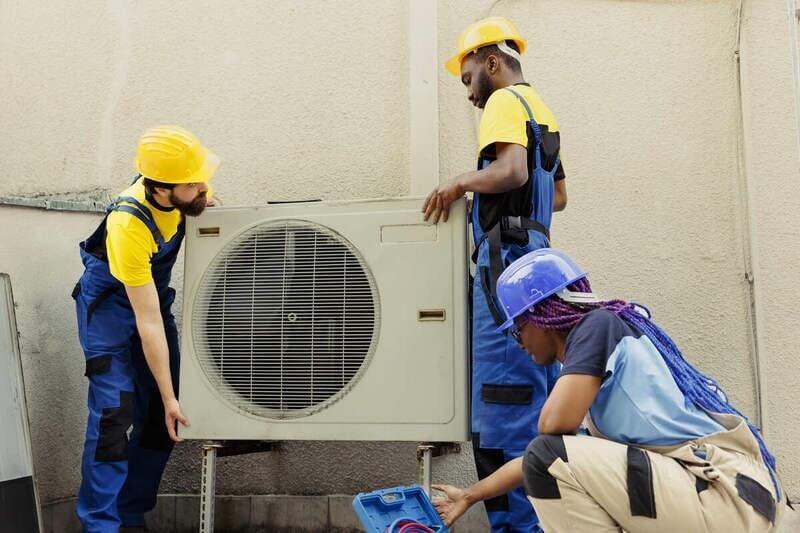
Electrical infrastructure upgrades represent a significant cost component often overlooked during initial budgeting. Large HVAC systems may require dedicated transformers, upgraded distribution panels, and emergency power systems. Electrical costs can range from $100,000 to $1 million for major installations.
Structural modifications for equipment support and access requirements add substantial expenses. Rooftop installations may require structural reinforcement costing $50,000 to $200,000. Mechanical room construction or expansion can add another $100,000 to $500,000 depending on size and requirements.
Water treatment systems and utility connections represent additional infrastructure costs. Cooling tower installations require water supply, drainage, and chemical treatment systems. These auxiliary systems can add $50,000 to $300,000 to project costs while being essential for proper system operation.
Regional and Market-Specific Cost Variations
East African Market Considerations
The East African region comes with additional unique cost considerations for HVAC system installations. Import duties on specialized equipment range between 15 to 25%. Supply chain challenges can also increase the lead time and shipping costs for certain components with limited local availability.
There is some offset, however, with local labor costs. Skilled technicians and engineers from Kenya, Uganda, and Tanzania are more cost-effective due to their lower wages compared to developed countries, while maintaining strong levels of competence. This is a notable advantage during the labor-intensive installation stages.
Considerations in equatorial areas focus more on cooling than heating. Although this can simplify system designs in many contexts, it may need better dehumidifying. The need for cooling throughout the year also affects equipment sizing and planned redundancy.
Currency and Economic Factors
Exchange rate fluctuations significantly impact project costs when equipment is imported. The cost of hvac installation can vary by 10-20% based on currency movements during the procurement phase. Long-term projects require careful currency hedging strategies to manage financial risk.
Local economic conditions affect labor availability and costs. Economic growth periods increase competition for skilled workers, driving up wages and potentially extending project timelines. Conversely, economic downturns may provide opportunities for more competitive pricing from contractors seeking work.
Government policies regarding energy efficiency and environmental standards influence equipment selection and costs. Incentives for high-efficiency equipment can offset higher initial costs, while environmental regulations may require premium technologies that increase upfront investment.
Advanced Cost Optimization Strategies
Value Engineering Approaches
Effective value engineering during the design phase can reduce hvac installation costs by 15-30% without compromising performance. This process involves analyzing system requirements to identify opportunities for simplification or alternative approaches that maintain functionality while reducing complexity.
Equipment standardization across large facilities provides economies of scale in procurement and maintenance. Using fewer equipment types reduces spare parts inventory requirements and simplifies technician training. Bulk purchasing arrangements can yield significant discounts on major equipment purchases.
Phased installation approaches allow spreading costs over multiple budget cycles while maintaining operational continuity. This strategy particularly benefits existing facility upgrades where complete system replacement would be disruptive or financially challenging.
Technology Integration Benefits
Modern building automation systems provide long-term cost benefits that justify higher initial investment. These systems optimize energy consumption, predict maintenance needs, and provide detailed performance analytics. The operational savings often recover the additional technology investment within 3-5 years.
Energy recovery systems capture waste heat and cooling to improve overall efficiency. Heat recovery ventilators, energy wheels, and heat exchangers add upfront costs but provide substantial operational savings. These technologies become increasingly cost-effective as energy costs rise.
Variable frequency drives and smart controls adapt system operation to actual demand rather than design maximum conditions. This optimization reduces energy consumption by 20-40% while extending equipment life. The technology premium typically pays for itself within 2-3 years through energy savings.
Long-Term Financial Planning and ROI
Total Cost of Ownership Analysis
The initial investment for hvac system installation is only a portion of the total cost incurred during the 20-30 year asset lifecycle. Energy consumption, maintenance, and repairs are operational costs that, together, often surpass the installation costs over the system’s lifetime. Therefore, reliability and operational efficiency are key elements that must be valued beyond purchase cost.
For HVAC systems, energy consumption accounts for 60-80% of total lifecycle costs. Equipment that is 20-30% more expensive on the market often features high-efficiency, yielding significant savings over the lifetime of the system. In today’s world, the return on investment for efficiency features is improving more and more due to the ever-increasing costs of energy.
The maintenance and servicing expenses for equipment differ greatly from one piece of equipment to the next, depending on the equipment’s level of quality and complexity. Premium equipment with proven reliability tends to be more expensive but require less repairs and have extended service intervals. These trade-offs are critical for remote areas with expensive or limited servicing access.
Financing and Budget Considerations
The significant capital investment of large HVAC projects comes with a unique set of challenges specifically targeting the financing approach. Equipment leasing, energy service contracts, and public-private partnerships are examples of non traditional capital expenditure approaches. These models support improved cash flow while allowing access to advanced technologies.
In a large HVAC project, budget contingencies are typically between 10 to 20 percent of the base costs. These financial reserves are a necessity for unforeseen conditions, change orders, and market price fluctuations. Experienced project managers are able to develop contingency estimates more accurately based on project-specific risk factors.
Both costs and installation schedules are influenced by seasonal timing. During peak demand periods, installation of equipment is less complex and subject to less weather-related delays, but comes at a cost. Total project costs can be reduced by 5 to 15 percent with more optimal strategic timing.
Conclusion

Infrastructure projects of large scale and scope incorporate the installation of HVAC system components, which adds greatly to the average cost due to the intricate and sensitive nature of the installations. With the value of reliable service supporting vital business functions, the initial investment of hundreds of thousands to millions of dollars can be recouped by proper planning and execution over the long term.
Informed financial planning and more sound decision-making can be achieved with better analyzing the cost drivers, which range from equipment selection to the complexity of the installation. These decisions will all count toward the total investment required for the successful completion of the project, influenced by the region, chosen technology, and long-term operational factors.
Companies looking to do large-scale HVAC system installations in East Africa will benefit by working with specialized electrical and mechanical engineering companies to achieve an efficient system design and economical execution. With IET Africa’s 75 years regional experience in many complex electrical and mechanical problems, we stand ready with proven Industrial HVAC systems along with BMS, and Power Quality systems. Get in touch with IET Africa and let us know what your large scale infrastructure HVAC project is so we can help you achieve the optimum performance and ROI with your engineering solutions.