
Type 1 Surge Protection Device: Critical Defence Against Lightning and Utility Disturbances
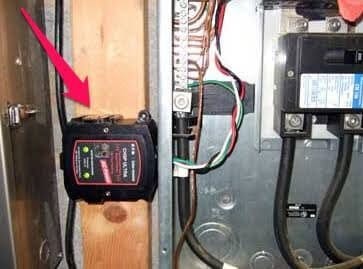
Modern electrical systems are more vulnerable to transient overvoltages than ever before as facilities rely more on electronic equipment and automation systems. At the forefront of surge protection strategies is the type 1 surge protection device which is the first line of defense against high energy transients from lightning strikes and utility system disturbances. Understanding type 1 surge protection devices is crucial for engineers designing robust electrical systems that can withstand the harsh electrical environment of tropical regions. These devices are the foundation of a coordinated protection scheme that protects expensive equipment and ensures continuity of operation during severe weather events. Surge protection technology has evolved from simple spark gaps to sophisticated semiconductor based devices that can handle extreme energy and provide precise voltage clamping. Modern surge protection devices spds have advanced materials and intelligent monitoring features that enhance both protection performance and system reliability. The placement and coordination of surge protection devices is critical to the overall protection scheme. Without understanding surge protection device types and their applications, even well intentioned protection efforts may not provide the comprehensive coverage required for critical electrical infrastructure. Understanding Type 1 Surge Protection Device Fundamentals Type 1 surge protection device is a special type of surge protective device. It’s designed to withstand high amount of energy that is released in lightning strikes. The gadgets are usually mounted at the service entrance points. They can therefore intercept the high energy transients before they can propagate to various parts of the electric system. The downstream protection equipment has much lower power handling capability than the Type 1 devices. Such requirements of the test are that the devices should be capable of resisting the current waveforms of specific impulse which are representative of the lightning stroke effects of adjacent lightning strokes, and therefore capable of dependable operation in the most adverse environment possible to be experienced in service. The Type 1 devices are characterised using the construction materials and the existence of internal characteristics of design. These include high-current capacities, heavy-duty varistor blocks, fault-current capacity, able to sustain repeated high-energy events and remain capable of protecting without compromising its protecting capability. Type 1 devices play an important role in system protection, since the requirements of installations are provided to the Type 1 devices. These devices are commonly used in principal electrical panels or surge protection panels, and some conductor sizing and path must be followed to provide optimal results when experiencing transient conditions. Energy Classification and Performance Standards The spd classification system offers unambiguous performance requirements that enable suitable selection of devices in a particular application. Type 1 devices will demonstrate to survive upon standardized test waveforms that indicate the worst case transient conditions. Lightning impulse current tests simulate the impacts of proximate lightning strikes, and test currents are tens of thousands of amperes. This ability of a type 1 surge protecting device to conduct such high currents, but limit voltages to safe levels demonstrates that they are ideally suited to primary protection applications. Switching impulse tests challenge device performance. They test how a device handles disturbances. These disturbances can come from the utility system. Examples include switching capacitor banks. Another is removing faults. The tests ensure that equipment reacts correctly. This reaction is to transient conditions. The conditions might be encountered during normal utility operations. Thermal stability tests make sure that equipment is able to radiate the energy it has gained in the transients without being damaged or losing their protective capabilities. Especially in tropical areas where the outside temperatures may be near the rating of the devices, thermal design is important. Key Performance Parameters Several critical parameters define Type 1 device performance: Installation Requirements and Best Practices An issue of proper installation practices has a direct effect on type 1 surge protection device system performance. The performance of the device under real transient events depends on conductor routing, connection strategy and grounding scheme. Minimization of lead length is one of the most important installation considerations. Long conductor length between the device and the circuit adds inductance that adversely affects the performance of the protection. The maximum length of lead and routing conditions are defined by industry standards in order to uphold maximum level of protection characteristics. Connection practices should be able to handle high fault current that may occur in the case of device failure conditions. Adequately rated over current protective devices and disconnect devices will provide the personnel safety and ensure collateral damages are not created in case of extreme events which are beyond the capability of the devices. The integrity of grounding system is the most important factor in surge protection. Type 1 devices use low-impedance grounding to successfully redirect transient currents to prevent reaching the equipments being safeguarded. Weak grounding undermines protection performance and can pose safety risks. The needs of environmental protection depend on the place of installation. Outdoor installations need to be suitably weatherproofed and have UV protection whereas indoor installations should take into account the need of ventilation and thermal management requirements. Coordination with Downstream Protection Devices Effective surge protection requires coordinated application of multiple surge protection device types throughout the electrical system. The type 1 surge protection device serves as the primary protection tier, working in conjunction with Type 2 and Type 3 devices to provide comprehensive coverage. Energy coordination ensures that upstream devices handle high-energy transients while allowing lower-energy events to pass through to downstream devices. This approach optimizes protection effectiveness while minimizing nuisance operations that could interrupt normal system operation. Voltage coordination prevents device interaction that could compromise protection performance. Proper voltage ratings and spacing between protection tiers ensure that each device operates within its intended range without interfering with other system components. Time coordination considerations become important when devices must operate in sequence during extreme events. Proper coordination prevents simultaneous operation that could lead to device damage or compromised protection effectiveness. The relationship between Type 1 and type 2 surge protection device applications requires careful consideration. While Type 1 devices provide primary protection
Automatic Voltage Regulator Technology: Critical Performance Parameters for Modern Power Systems
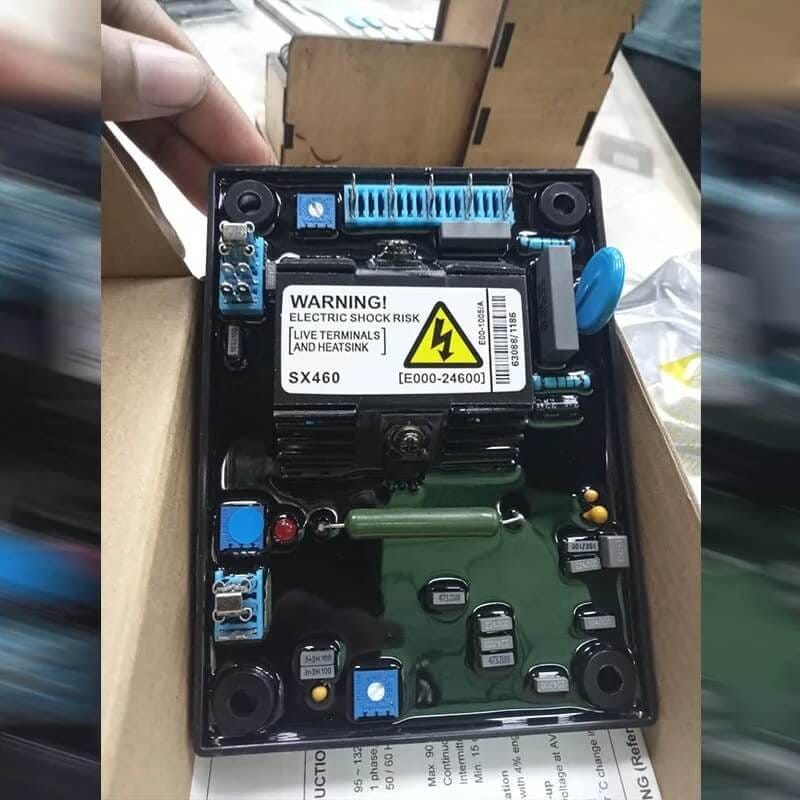
Power stability is one of the biggest challenges facing industrial facilities and commercial operations in East Africa. Voltage fluctuations can destroy sensitive equipment, stop production and cause costly downtime. The automatic voltage regulator is the foundation technology for power system integrity but many professionals underestimate its operational complexity and strategic deployment. Modern infrastructure requires precise voltage control beyond basic regulation. Today’s industrial environment has more sensitive electronic loads, variable frequency drives and computerized control systems that require stable power within tight margins. Understanding the mechanics of automatic voltage regulation is key for engineers designing robust power systems that can withstand the challenges in our regional power grid. Understanding Automatic Voltage Regulator Fundamentals The answer to the question of what is automatic voltage regulation brings us into the complicated world of power electronics and control theory. An automatic voltage regulator functions as an intelligent control device that continuously monitors system voltage levels and implements real-time corrections to maintain predetermined setpoints. This technology works by means of advanced feedback mechanisms that sense voltage discrepancies and make corresponding corrections within a twinkling of an eye faster than human operator would ever do. The conventional voltage control techniques were very dependent on manual control and mechanical switching equipment. Such methods were not suitable to be applied in modern industrial practice where the change in the voltage by several percentages may cause the malfunction of the equipment or its protective shutdown. The evolution toward automatic voltage regulators represents a fundamental shift in power system management philosophy, emphasizing proactive control rather than reactive responses. Contemporary automatic voltage regulator designs incorporate microprocessor-based control algorithms that analyze multiple system parameters simultaneously. These instruments do not just detect the level of voltage but also the changes in frequency, the level of harmonic distortion and the load properties. Such an inclusive strategy helps make smarter regulatory choices that take into account the bigger electrical landscape as opposed to just voltage amplitude. Key Components and Architecture Modern automatic voltage regulators integrate several critical subsystems working in coordinated fashion. The sensing circuit also constantly reads the system voltage with high-precision instruments that are calibrated to industrial accuracy. This measurement information is inputted into the control processor that compares actual value with reference values set and generates the necessary correction signals. The most demanding part of regulator design is its power stage. Such a section should be able to drive large current levels as well as high control resolution. Higher-end designs use semiconductor-based switching devices with high frequency switching capabilities to provide fast response times, but avoid excess electrical noise on the system. Another necessity is protection circuits that protect the regulator as well as other equipment against abnormal conditions. Such systems watch against overcurrent conditions, thermal stress, and input power quality problems that may affect regulator operation, or adversely impact downstream equipment. How Automatic Voltage Regulators Operate The question of how does a voltage regulator work cannot be answered without touching the topic of advanced control algorithms that drive up-to-date regulator behavior. The overall idea is to constantly compare the values of measured voltages with the reference points. In the case that deviations are measured, the control system will compute suitable correction signals and apply them to the power stage electronics. The continuous sensing phase provides system voltage samples hundreds or thousands of times per second. This fast monitoring allows even short-term disturbances in the voltage to be detected which would otherwise be missed but could still affect sensitive equipment. Digital signal processing techniques are used to filter noise in the measurement without loss of important transient information required to make accurate decisions in regulation. Control algorithms are forced to trade off a number of competing objectives. Quick reaction to voltage changes is incompatible with system stability demands, because excessively vigorous compensation may cause oscillations or hunting. The modern regulators use adaptive control strategy where the regulator alters response characteristics with respect to system conditions and the pattern of load behavior. Response Time Characteristics The speed at which an automatic voltage regulator responds to disturbances directly impacts its effectiveness in protecting connected equipment. Traditional electromechanical regulators required several seconds to implement corrections, leaving equipment vulnerable during transient events. Electronic regulators achieve response times measured in milliseconds, providing protection against fast-changing disturbances common in industrial environments. However, extremely fast response can create its own problems. Instantaneous corrections to minor voltage fluctuations may cause unnecessary stress on power system components and introduce unwanted interactions with other control devices. Optimal regulator tuning requires careful consideration of system dynamics and load characteristics to achieve the best balance between responsiveness and stability. Load-dependent response strategies represent an advanced feature found in premium automatic voltage regulator designs. These systems analyze load patterns and adjust their response characteristics accordingly. During light load conditions, the regulator may operate with faster response times since system stability margins are typically higher. Under heavy load situations, more conservative response settings prevent potential instability issues. Technical Specifications and Performance Parameters Professional evaluation of automatic voltage regulators requires understanding key performance metrics that determine suitability for specific applications. Regulation accuracy represents the primary specification, typically expressed as a percentage of rated voltage. Industrial applications generally require regulation accuracy of ±1% or better, while critical processes may demand even tighter tolerances. Input voltage range defines the span of supply voltage variations that the regulator can accommodate while maintaining proper output regulation. Wide input ranges provide greater flexibility but often come with trade-offs in efficiency or regulation accuracy. Engineers must carefully match input voltage specifications to the characteristics of their local power supply infrastructure. Response time specifications vary significantly among different regulator technologies. Electronic regulators typically achieve response times under 20 milliseconds for load changes, while electromechanical units may require several seconds. The choice between technologies depends on the sensitivity of connected equipment and the nature of expected disturbances. Efficiency and Thermal Considerations Energy efficiency has become increasingly important as organizations seek to minimize operating costs and reduce environmental impact. Modern automatic voltage regulators achieve efficiencies
UPS Automatic Voltage Regulation: Advanced Power Conditioning for Mission-Critical Applications

Modern UPS systems have moved far beyond simple battery backup. Today’s UPS automatic voltage regulation technology provides comprehensive power conditioning that addresses multiple power quality issues at once. While many people understand the basic battery backup function of UPS systems, fewer know the critical role that integrated voltage regulation plays in protecting sensitive electronics from a wide range of power disturbances. The integration of UPS automatic voltage regulation is a fundamental shift in power protection philosophy. Instead of just switching to battery power during outages, these advanced systems condition the incoming power to maintain a stable voltage even when utility power is still available. This proactive approach prevents equipment damage and downtime that can happen long before a complete power failure occurs. Industrial and commercial facilities are full of microprocessor controlled equipment that requires clean, stable power. Traditional UPS designs that only kick in during complete power failures leave equipment vulnerable to the voltage sags, surges and fluctuations that are present in the utility power. Understanding how UPS automatic voltage regulation addresses these issues is key to designing a robust power protection strategy. Understanding UPS Automatic Voltage Regulation Technology The question of how UPS with automatic voltage regulation differs from conventional backup systems requires examining the sophisticated power conditioning circuits integrated into modern designs. These systems monitor incoming utility power continuously, detecting voltage variations that could impact connected equipment. When deviations occur, the automatic voltage regulation circuits correct these problems without switching to battery operation, preserving battery life while maintaining optimal power quality. Traditional UPS systems operate in distinct modes – normal operation on utility power, battery operation during outages, and charging mode when utility power returns. Advanced UPS with automatic voltage regulation adds an intermediate conditioning mode where the system actively corrects voltage problems while remaining connected to utility power. This approach prevents unnecessary battery cycling and provides superior power quality under normal operating conditions. The voltage regulation circuits within modern UPS systems utilize sophisticated power electronics to provide precise voltage control. These circuits can boost low voltages, buck excessive voltages, and filter harmonic distortion without interrupting power delivery to connected loads. The seamless operation ensures that sensitive equipment receives stable power regardless of utility power variations. Operational Modes and Control Strategies Modern UPS automatic voltage regulation systems employ multiple operational modes optimized for different power conditions. The automatic voltage regulator (AVR) mode handles moderate voltage variations without battery intervention, extending battery life significantly. During severe voltage disturbances that exceed AVR correction range, the system seamlessly transitions to battery operation to maintain uninterrupted power delivery. The control algorithms governing these transitions must balance multiple competing objectives. Rapid response to voltage problems conflicts with system stability requirements, particularly when dealing with dynamic loads that create their own voltage disturbances. Advanced UPS designs incorporate adaptive control strategies that learn from system behavior patterns and optimize their response characteristics accordingly. Load prioritization represents another sophisticated feature found in premium UPS automatic voltage regulation systems. These designs can selectively protect critical loads while allowing less essential equipment to experience utility power variations. This selective protection strategy maximizes battery runtime for truly critical applications while reducing overall system complexity and cost. Automatic Voltage Regulator Stabilizer Integration The integration of automatic voltage regulator stabilizer functionality within UPS systems creates a comprehensive power protection platform that addresses multiple power quality issues simultaneously. This approach eliminates the need for separate voltage stabilization equipment, reducing installation complexity and improving overall system reliability. The combined functionality provides cost advantages while ensuring optimal coordination between different power conditioning functions. Traditional approaches required separate devices for voltage stabilization, harmonic filtering, and backup power protection. Each device introduced additional potential failure points and required individual maintenance schedules. Modern UPS automatic voltage regulation systems consolidate these functions into integrated platforms that provide superior performance while reducing total cost of ownership. The automatic voltage regulator stabilizer circuits within advanced UPS designs utilize high-frequency switching technology to achieve precise voltage control with minimal energy losses. These circuits can correct voltage variations as small as 1-2% while maintaining regulation accuracy better than ±1% under varying load conditions. This precision ensures optimal operating conditions for sensitive electronic equipment. Performance Characteristics and Specifications Understanding the technical specifications of stabilizer automatic voltage regulator functionality requires examining key performance parameters that determine system effectiveness. Input voltage range defines the span of utility voltage variations that can be corrected without switching to battery operation. Wider correction ranges reduce battery cycling but require more sophisticated power electronics and may impact system efficiency. Response time specifications become critical when protecting equipment sensitive to brief voltage disturbances. Modern UPS automatic voltage regulation systems achieve correction response times under 4-6 milliseconds, fast enough to prevent most equipment from detecting voltage variations. This rapid response capability protects against voltage sags caused by motor starting, transformer energization, and other transient events common in industrial environments. Regulation accuracy determines how closely the UPS can maintain target voltage levels under varying load and input conditions. Industrial applications typically require regulation accuracy of ±1% or better to ensure optimal equipment operation. The ability to maintain this accuracy across the full load range and throughout the input voltage correction window demonstrates the sophistication of modern UPS voltage regulation circuits. Implementation Strategies for Critical Applications Selecting appropriate automatic voltage stabilizer functionality requires careful analysis of application-specific power quality requirements and equipment sensitivities. Different UPS technologies offer varying approaches to voltage regulation, each with distinct advantages and limitations. Online double-conversion systems provide the highest level of power conditioning but consume more energy during normal operation compared to line-interactive designs with integrated voltage regulation. The choice between different UPS architectures depends heavily on the nature of protected loads and local power quality conditions. Facilities with relatively stable utility power may benefit from line-interactive UPS automatic voltage regulation systems that provide efficient operation with excellent voltage conditioning. Environments with poor power quality or extremely sensitive loads may require online double-conversion systems despite their higher energy consumption. Sizing considerations become more complex when UPS automatic
Voltage Regulator for Generator: Engineering Precision in Standby Power System Control
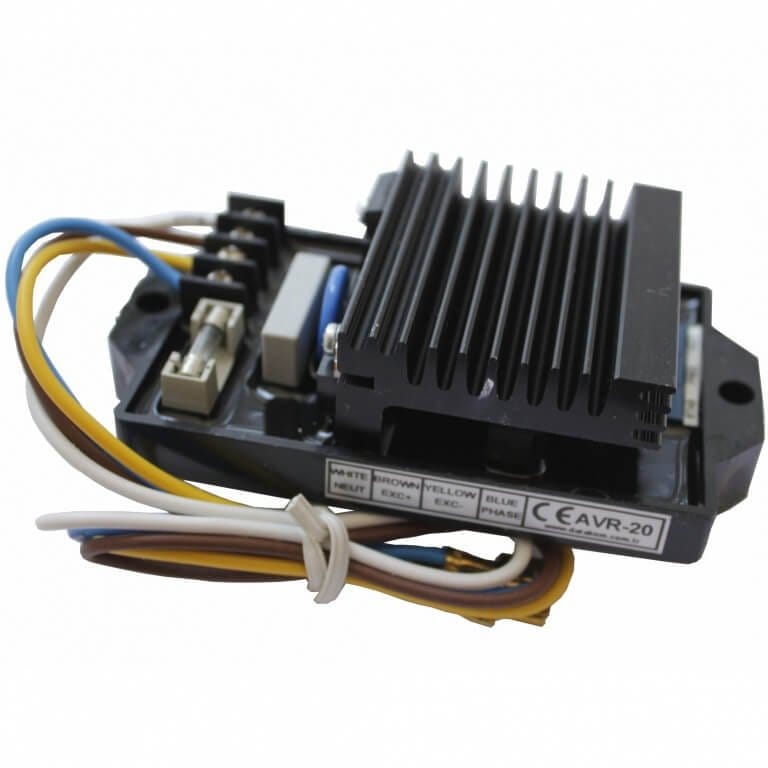
Generator based power systems are the backbone of critical infrastructure in industries where power reliability is not negotiable. But raw generator output never meets the stringent power quality requirements of modern electrical equipment. The voltage regulator for generator is advanced control technology that converts variable generator output into controlled electrical power for sensitive loads. Understanding the relationship between generator characteristics and voltage regulation requirements is key for engineers designing backup power systems. Generator output voltage varies with load changes, temperature changes and mechanical variations in prime mover speed. Without voltage regulation these variations can damage connected equipment or cause operational disruptions that defeat the purpose of having backup power. The evolution of voltage regulator for generator technology has followed the advancement of power electronics and digital control systems. Modern systems have microprocessor based control algorithms that provide regulation accuracy and response time that was not possible with earlier electromechanical designs. This technology allows generator systems to support more sophisticated electrical loads while maintaining the reliability expected from critical power infrastructure. Generator Voltage Regulation Fundamentals The physics of generating voltage output of generators inherently presents challenges that must be dealt with by automatic voltage regulation generator systems at all times. Generators Synchronous The voltage output of synchronous generators is a function of field excitation current, prime mover speed, and load. Due to the effect of internal impedance of the generator, terminal voltage would tend to decrease when changing electrical loads, necessitating the need to continuously adjust field excitation current to produce a stable generator output voltage. Conventional generator designs lacking automatic voltage regulation are based upon manual field current adjustment or low-speed mechanical governors that adjust very slowly to changes in conditions. Such methods are insufficient in modern applications where voltage stability within +/-1 percent of the nominal may be necessary to avoid malfunction or operation of protective devices. Automatic voltage regulation generator method uses closed-loop control schemes to continuously measure generator terminal voltage, and adjust field excitation current to track pre-set setpoints. This is a hundred-plus times a second, fast enough to allow a response to changes in load or system disturbance to be fast enough to ensure voltage stability. Control System Architecture and Operation Flexible automatic voltage regulator generator designs incorporate advanced control systems that are well beyond basic voltage feedback systems. These systems use various parameters such as generator frequency, load power factor, field current levels and temperature conditions in order to provide optimum regulation with varying operating conditions. Advanced voltage regulators contain sensing circuits which employ fine-tuned measurement systems that are adjusted to industrial precision standards. Digital signal processing technologies remove measurement noise, but retain key transient information that is necessary in regulation decisions. This use allows the regulator to differentiate between the real changes in the voltage that need correction and measurement artifacts to be disregarded. Control algorithms have to trade off conflicting goals in deciding what field excitation corrections to make. Fast-acting voltage correction is incompatible with requirements of system stability in situations where generator loads themselves generate their own voltage disturbances. The more advanced regulators use adaptive control rules where they adjust their reaction mode according to the behavior they have observed in the system and the load patterns Field Excitation Systems and Power Electronics The power stage of a voltage regulator for a generator must control significant field currents while maintaining precise regulation resolution. Modern designs utilize semiconductor switching devices operating at controlled frequencies to achieve rapid response without introducing excessive electrical noise into the generator system. Brushless excitation systems represent the current state-of-the-art for critical generator applications. These designs eliminate the maintenance requirements and reliability concerns associated with slip rings and carbon brushes while providing superior control response and accuracy. The brushless design incorporates a dedicated exciter generator that supplies controlled power to the main generator field through rotating rectifier assemblies. Static excitation systems offer alternative approaches where maintenance accessibility or cost considerations favor different designs. These systems supply field power directly through slip rings and brushes, enabling faster response times and simpler control circuits. However, the mechanical components require regular maintenance and may limit system reliability in harsh operating environments. Advanced AVR Technology Implementation Contemporary avr automatic voltage regulator designs incorporate digital control platforms that enable sophisticated regulation strategies impossible with analog control systems. Digital signal processors analyze multiple system parameters simultaneously and implement complex control algorithms that optimize generator performance across varying load and environmental conditions. The transition from analog to digital control represents more than a simple technology upgrade. Digital systems enable predictive control strategies that anticipate system behavior based on historical patterns and current operating conditions. These capabilities support more stable regulation with reduced hunting or oscillation tendencies that can affect power quality or disturb connected loads. Communication interfaces within modern automatic voltage regulator avr systems enable integration with facility management systems and remote monitoring platforms. These capabilities allow operators to monitor regulator performance, adjust settings remotely, and receive alerts for potential problems before they impact system operation. Performance Optimization and Tuning Strategies Achieving optimal performance from generator with automatic voltage regulator systems requires careful tuning of control parameters to match specific application requirements and system characteristics. Generic factory settings rarely provide optimal performance for specialized applications or unique system configurations. Load characteristics significantly influence optimal regulator tuning strategies. Linear loads such as resistive heating elements create relatively stable operating conditions that allow aggressive regulation settings without stability concerns. Nonlinear loads including variable frequency drives and rectifier-fed equipment introduce harmonic distortion and dynamic impedance characteristics that may require more conservative tuning approaches. System stability analysis becomes critical when tuning high-performance voltage regulators. The interaction between regulator response characteristics and system impedances can create resonance conditions that compromise regulation accuracy or cause oscillation problems. Proper tuning requires understanding both electrical and mechanical system dynamics to achieve stable operation across all operating conditions. Environmental and Installation Considerations Generator installations often occur in challenging environments where temperature extremes, humidity, vibration, and electromagnetic interference can impact voltage regulator for generator performance.
Electric Switchgear: Critical Infrastructure Components Driving Modern Power Distribution Excellence
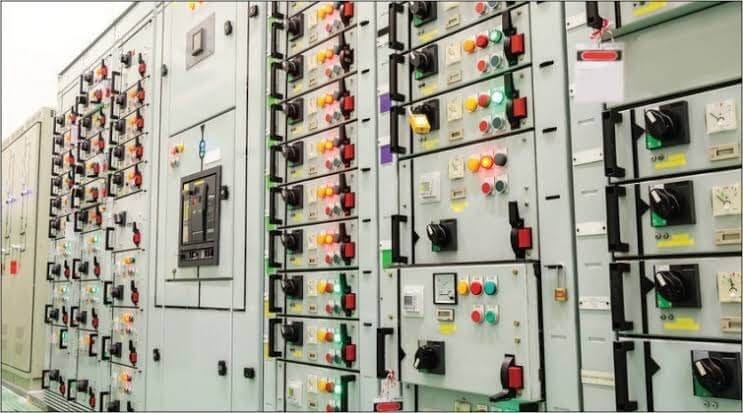
Modern power systems rely on complex control and protection equipment that works behind the scenes to deliver power to industrial and commercial loads. Switchgear is the heart of these power distribution systems, combining switching devices, relays, instruments and control systems into one platform that manages power flow with precision and safety. Switchgear today goes far beyond just switching. These systems have advanced protective algorithms, communication protocols and monitoring capabilities that turn basic power distribution into intelligent power management. Understanding the design principles and operational behaviour of modern switchgear is crucial for engineers designing robust electrical infrastructure that can meet today’s performance demands. Regional power distribution challenges in developing electrical networks adds more stress to switchgear performance and reliability. Voltage fluctuations, harmonic distortion and system instability requires switchgear that can operate under adverse conditions and provide the protection and control functions for safe operation. This tough operating environment drives innovation in switchgear technology and influences the selection criteria for critical applications. Understanding Electric Switchgear Fundamentals The question “what is electrical switchgear” encompasses a broad range of electrical apparatus designed to control, protect, and isolate electrical equipment within power systems. At its core, switchgear combines switching devices such as circuit breakers or contactors with protective relays, measurement instruments, and control circuits integrated into standardized assemblies that provide complete power distribution functionality. Traditional switchgear designs focused primarily on basic switching and protection functions using electromechanical devices and analog control systems. Modern electrical switchgear incorporates digital protective relays, microprocessor-based control systems, and communication interfaces that enable sophisticated power management strategies previously impossible to implement with conventional technology. The evolution from basic switching equipment to intelligent electric switchgear platforms reflects broader trends in power system automation and smart grid development. Contemporary switchgear assemblies function as data collection points that provide real-time information about power system conditions, enabling proactive maintenance strategies and optimized system operation through advanced analytics and monitoring capabilities. Classification and Voltage Ratings Electric switchgear classification systems organize equipment based on voltage levels, installation methods, and application requirements. Low voltage switchgear is normally designed to operate with voltages upto 1000V and is used in distribution applications in industrial plants and commercial building. Medium voltage switchgear has a voltage between 1kV and 35kV and it serves the primary distribution and power distribution at industrial plants. The switchgear definition electrical standards provides the construction requirements, test procedure and performance requirements that make them reliable to operate under variable operating conditions. These standards deal with aspects such as short-circuit withstand capacity, mechanical strength, environmental requirements and protection, as well as safety considerations that determine design and choice of switchgear. The choice of installation environment has a considerable influence on switchgear requirements and configuration. Installations in buildings can be more compact and can be built using air insulation, whereas out-of-building installations need to be more weatherproofed and might be better implemented using a gas insulation design to ensure a better reliability and less maintenance needs. Advanced Switchgear Technologies and Components Modern electrical switchgear incorporates sophisticated technologies that enhance performance, reliability, and operational capabilities compared to conventional designs. Digital protective relays provide precise fault detection and system monitoring capabilities that enable coordinated protection schemes and reduce fault clearing times, minimizing equipment damage and system disturbances. Communication protocols integrated within contemporary switchgear enable remote monitoring, control, and data collection capabilities that support advanced power system management strategies. These interfaces allow integration with supervisory control and data acquisition systems, enabling centralized monitoring of distributed switchgear installations and coordinated control responses to system disturbances. Arc flash mitigation technologies represent critical safety advancements in modern electric switchgear design. These systems detect developing arc faults and implement rapid interruption strategies that minimize arc energy release and protect personnel from potentially fatal arc flash incidents. The implementation of these technologies requires careful coordination with existing protective devices and system grounding practices. Circuit Breaker Technologies and Performance Circuit breakers form the heart of most electrical switchgear assemblies, providing the switching and interruption capability necessary for normal operation and fault protection. Vacuum circuit breakers dominate medium voltage applications due to their excellent interruption performance, minimal maintenance requirements, and environmental advantages compared to older oil or gas-filled designs. SF6 circuit breakers continue to serve high-voltage applications where superior interruption performance justifies their higher complexity and environmental considerations. However, industry trends favor alternative technologies including vacuum interrupters and solid insulation designs that eliminate greenhouse gas concerns while maintaining excellent electrical performance. The selection between different circuit breaker technologies depends on application requirements including fault current levels, switching frequency, maintenance accessibility, and environmental considerations. Understanding these trade-offs enables informed decisions about switchgear specifications that optimize performance while minimizing lifecycle costs and environmental impact. Protection and Control System Integration Modern electric switchgear protection schemes extend far beyond simple overcurrent protection to incorporate comprehensive monitoring and diagnostic capabilities. Digital protective relays analyze multiple electrical parameters simultaneously, enabling sophisticated protection algorithms that provide selectivity, sensitivity, and speed characteristics impossible to achieve with conventional electromechanical devices. Differential protection, directional overcurrent protection, and distance protection represent advanced protective functions commonly integrated within modern switchgear designs. These protection schemes require careful coordination and setting calculations to ensure optimal performance while maintaining proper selectivity between protective devices at different system levels. Control system integration within electrical switchgear enables automated responses to system conditions and remote operation capabilities that improve both system reliability and operational efficiency. These systems can implement load shedding strategies, automatic transfer sequences, and coordinated startup procedures that optimize system performance while reducing operator workload. Design Considerations and Engineering Challenges Understanding “what is a switchgear electrical” system requires examining the complex engineering challenges involved in designing assemblies that meet demanding performance requirements while ensuring safe operation under all conditions. Short-circuit current calculations are used to calculate the mechanical and thermal stresses that switchgear components are exposed to during a fault, and this information is used to select the components and to define assembly design considerations. The operation of protective devices in a proper sequence during fault conditions is guaranteed by the coordination studies, therefore
Electric Switchgear: Engineering Excellence in Power Distribution Systems
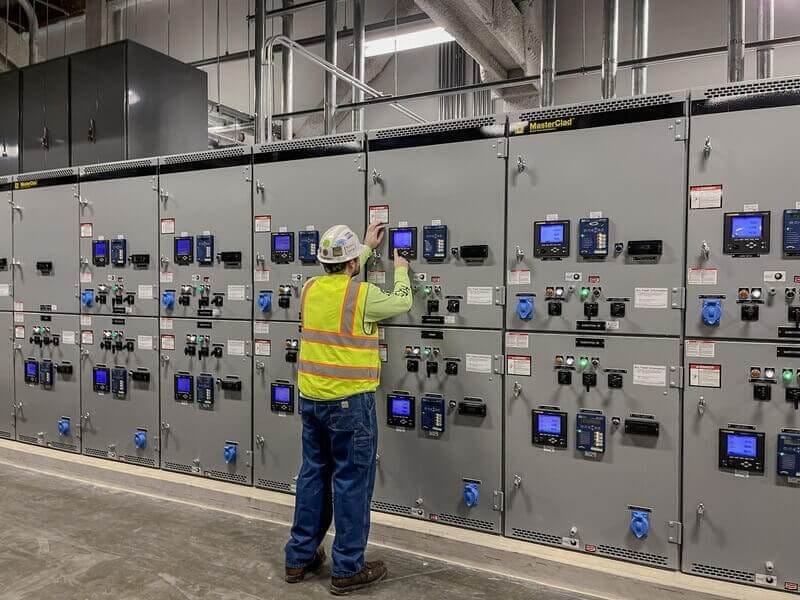
The foundation of any reliable electrical power system is control, protection and isolation of electrical equipment safely and efficiently. Electric switchgear is the critical interface between power generation, transmission and distribution networks, ensuring smooth operation and protecting personnel and equipment from electrical faults. In today’s fast paced industrial world, understanding switchgear technology is key for electrical engineers, facility managers and infrastructure planners. Modern power distribution systems require sophisticated control mechanisms to handle varying load conditions, protect against electrical faults and provide operational flexibility. The evolution of switchgear technology has changed the way we design power systems, from simple mechanical switches to intelligent digitally controlled systems that offer unparalleled levels of monitoring and control. Understanding Electric Switchgear Fundamentals Electric switchgear encompasses a broad range of electrical devices used to control, protect, and isolate electrical equipment in power systems. These systems combine switches, fuses, circuit breakers, relays, and other protective devices within a common enclosure, creating a comprehensive solution for power distribution management. The primary functions of switchgear extend beyond simple on-off control. These systems provide fault detection and isolation, load switching capabilities, protection coordination, and system monitoring functions. Modern switchgear installations incorporate advanced communication protocols, enabling integration with supervisory control and data acquisition (SCADA) systems for remote monitoring and control. Switchgear design considerations include fault current ratings, continuous current capacity, voltage levels, environmental conditions, and operational requirements. The selection process involves careful analysis of system parameters, load characteristics, and protection coordination studies to ensure optimal performance and reliability. Types of Electrical Switchgear Classifications Electrical switchgear is usually classified by voltage, construction technique, interrupting medium and the application need. Knowledge of these types can enable engineers to make the right choices of solutions to particular applications and operating conditions. The most widespread type of classification of switchgear systems is based on voltages. Low voltage switchgear is used at voltages of up to 1000V AC or 1500V DC and is typically used in the distribution of buildings, industrial control panels and motor control. Molded case circuit breakers, contactors and protection relays are frequently combined into these systems in small enclosures. Metal enclosed switchgear operating between 1kV and 35kV is known as medium voltage metal enclosed switchgear and is used as the workhorse in industrial facilities, commercial buildings and distribution substations. These systems are built strongly in metal-clad or metal-enclosed designs, which are more protective and safe in use. High voltage switchgear works with voltages exceeding 35kV, which would be found in transmission substations and power plants, and large distribution facilities. Such systems tend to use gas insulated or air insulated technology depending on the environmental limitations and operating needs. Classification according to construction is air-insulated switchgear (AIS), gas-insulated switchgear (GIS), and hybrid. The technologies all have their own benefits in regard to footprint, reliability and maintenance, and therefore lend themselves to different applications and operating environments. Low Voltage Switchgear Applications and Design Low voltage switchgear systems form the foundation of electrical distribution in commercial and industrial facilities. These systems typically incorporate intelligent protection devices, communication capabilities, and modular construction for enhanced flexibility and maintainability. Modern low voltage installations utilize microprocessor-based protection relays, providing advanced protection functions including overcurrent, earth fault, arc fault, and power quality monitoring. These intelligent devices offer programmable settings, event recording, and communication capabilities that enhance system reliability and operational efficiency. Motor control centers represent a specialized application of low voltage switchgear, combining motor starters, variable frequency drives, and protection devices within standardized enclosures. These systems provide centralized control for multiple motors while maintaining individual protection and control capabilities for each motor circuit. Power factor correction and harmonic filtering often integrate with low voltage switchgear installations, addressing power quality concerns that can impact equipment performance and energy efficiency. These solutions typically incorporate automatic capacitor switching, harmonic filters, and monitoring systems to maintain optimal power quality conditions. Medium Voltage Systems and Metal Enclosed Solutions Medium voltage metal enclosed switchgear represents the critical link between transmission and distribution systems, providing robust switching and protection capabilities for industrial and utility applications. These systems combine primary switching devices with comprehensive protection, control, and monitoring functions within metal-enclosed compartments. Metal-clad switchgear designs feature removable circuit breakers or switches housed within grounded metal enclosures, providing maximum personnel safety and operational flexibility. These systems incorporate multiple barriers and interlocks to prevent inadvertent contact with energized components while allowing safe maintenance operations. Custom medium voltage switchgear solutions address specific application requirements that standard designs cannot accommodate. These systems involve careful engineering of bus arrangements, protection schemes, and control functions to meet unique operational needs while maintaining compliance with applicable standards and regulations. Arc-resistant designs have become increasingly important in medium voltage applications, providing enhanced personnel protection during internal arc fault conditions. These systems incorporate pressure relief mechanisms, arc containment barriers, and specialized construction techniques to redirect arc energy away from operating personnel. High Voltage Switchgear Technologies High voltage switchgear systems employ sophisticated technologies to manage the challenges associated with high voltage interruption and isolation. Gas-insulated switchgear (GIS) utilizes sulfur hexafluoride (SF6) as both insulating and interrupting medium, enabling compact designs with exceptional reliability and minimal maintenance requirements. High voltage switchgear breakers represent critical components in transmission and sub-transmission systems, providing fault interruption capabilities for short circuit currents that can exceed 40,000 amperes. These devices utilize various interrupting technologies, including SF6, vacuum, and air blast designs, each offering specific advantages for different applications. Digital protection and control systems have revolutionized high voltage switchgear operations, providing comprehensive monitoring, protection, and control functions through integrated digital platforms. These systems offer advanced protection algorithms, disturbance recording, and communication capabilities that enhance system reliability and operational efficiency. Integrated LV/MV Solutions for Complex Applications LV/MV electrical switchgear systems provide comprehensive solutions for facilities requiring both low and medium voltage distribution capabilities. These integrated approaches optimize space utilization, reduce installation complexity, and provide unified control and protection coordination across voltage levels. Low and medium voltage switchgear coordination involves careful analysis of protection device characteristics, fault current distributions, and operational requirements. Proper coordination ensures selective
Electric Switchgear: Critical Infrastructure Decisions That Define Industrial Success
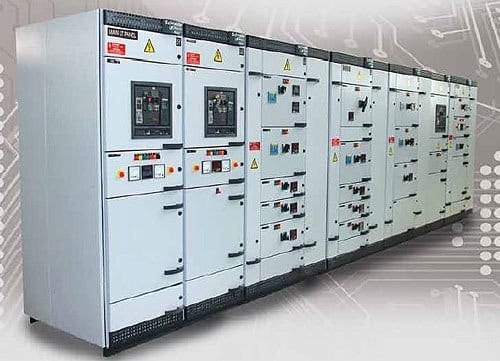
Any robust electrical infrastructure is built on the selection and implementation of reliable switching and protection systems. Electric switchgear is the heart of industrial power distribution where equipment protection, operational safety and system reliability all come together in one solution. These systems don’t just control electrical flow – they protect millions of dollars of equipment and ensure uninterrupted operations that keep industries running. In today’s competitive industrial world the stakes around switchgear selection have never been higher. One bad decision can cascade into downtime, equipment failure and safety incidents that can shut down operations for weeks or months. Understanding the intricacies of switchgear electrical systems from design philosophy to installation practices has become a critical skill for electrical professionals managing complex industrial facilities. Switchgear technology is evolving fast, driven by digitization, environmental regulations and the complexity of modern industrial processes. This technological advancement brings opportunities and challenges for facility managers, project engineers and maintenance professionals who have to navigate an ever more complex landscape of options and considerations. Understanding Modern Electric Switchgear Architecture Contemporary electric switchgear systems integrate multiple technologies and functions within cohesive, intelligent platforms that extend far beyond traditional switching applications. These systems combine primary switching devices, protection relays, control circuits, monitoring equipment, and communication interfaces into comprehensive solutions that support both local and remote operations. The architectural approach to switchgear design has shifted from component-based thinking to system-level integration. Modern installations consider factors such as cybersecurity, interoperability, scalability, and lifecycle management from the initial design phase. This holistic approach ensures that switchgear systems can adapt to changing operational requirements while maintaining the reliability and safety standards essential for industrial applications. Digital transformation has fundamentally altered switchgear capabilities, introducing features like predictive maintenance, real-time performance monitoring, and automated fault response. These advanced capabilities require careful consideration during the selection process, as they impact not only initial costs but also long-term operational efficiency and maintenance strategies. Key Performance Metrics in Switchgear Selection Successful switchgear implementation demands rigorous evaluation of performance metrics that align with specific operational requirements. Short-circuit ratings, continuous current capacity, and interrupting capability form the foundational technical specifications, but modern selection processes must also consider factors like communication protocols, environmental compliance, and integration complexity. Reliability metrics have expanded beyond simple failure rates to include parameters such as mean time between failures, maintenance intervals, and system availability calculations. These comprehensive reliability assessments help facility managers understand the total cost of ownership and operational impact of different switchgear options. Working with Electrical Switchgear Suppliers The bond between facility owners and electrical switchgear manufacturers has developed into strategic partnerships which span the life-span of equipment. Major suppliers provide full services to design, engineering, installation, commissioning and continuing maintenance programs that guarantee maximum performance of the system over decades of service. The characteristics of the suppliers chosen should be balanced between technical abilities, quality of manufacturing, support infrastructure in the area, and a long-term sustainability. The most appropriate electrical switch gear suppliers have large stocks, can respond quickly on emergency cases and carry out thorough training to the facility staff. They are also up-to-date with the changing industry standards and they can advise their customers on the complicated compliance needs. Local factors are important factors in supplier selection, especially in relation to local production, service network distribution and knowledge on the local operating environment. Suppliers who have a solid presence in certain geographic regions are normally able to provide better support and quicker response time when faced with critical situations. Evaluating Supplier Technical Capabilities Technical evaluation of potential suppliers requires assessment of design capabilities, manufacturing processes, quality control systems, and testing facilities. The most capable suppliers maintain accredited testing laboratories, certified design engineers, and comprehensive quality management systems that ensure consistent product performance. Documentation and technical support capabilities distinguish leading suppliers from competitors. Comprehensive technical documentation, application engineering support, and system integration assistance significantly impact project success and long-term operational efficiency. Safety Electrical Switchgear: Non-Negotiable Standards Safety electrical switchgear requirements have intensified significantly as industrial processes become more complex and regulatory oversight increases. Arc flash protection, personnel safety systems, and fault containment technologies now represent mandatory features rather than optional upgrades in most industrial applications. Arc-resistant designs have become standard requirements for medium and high-voltage applications, with specific construction standards governing pressure relief, arc containment, and personnel protection zones. These safety features require careful coordination with facility design, personnel training programs, and maintenance procedures to ensure maximum effectiveness. Safety integration extends beyond the switchgear itself to include coordination with building systems, emergency response procedures, and personnel protective equipment. Modern safety approaches consider the entire electrical system as an integrated safety platform rather than individual components with isolated safety features. Implementing Comprehensive Safety Protocols Effective safety implementation requires systematic approaches that address design, installation, operation, and maintenance phases of switchgear lifecycle management. Safety protocols must consider both routine operations and emergency response scenarios, ensuring that personnel remain protected under all operational conditions. Training programs for operations and maintenance personnel have become increasingly sophisticated, incorporating virtual reality simulations, hands-on practice sessions, and comprehensive documentation of safety procedures. Regular safety audits and updates ensure that safety systems remain effective as operational conditions change. Electrical Switchgear Manufacturers: Innovation Drivers The top manufacturers of electrical switchgears are advancing the technological boundaries by investing in research and development that is geared towards digitization, environmental sustainability and increasing their operational efficiency. Such innovations have a direct effect on industrial facility performance by increasing reliability, decreasing maintenance needs, and increasing flexibility of operation. Quality in manufacturing has gained more significance with more advanced and inter-connected switchgear systems. The most outstanding manufacturers have very strict quality control system, thorough testing procedures and ongoing improvement strategies that deliver the same performance of products in a variety of applications and operating environments. International production companies have to struggle with the problems of adapting the production to local needs, national norms and operational conditions. Effective manufacturers build regional knowhow, localized manufacturing and extensive support networks that are able to fulfill the wide
What Is a Building Management System: The Intelligence Behind Modern Infrastructure
In today’s fast changing world the question “what is a building management system” is becoming more and more relevant for facility managers, engineers and property developers globally. As buildings get more complex and energy costs rise the need for advanced control systems has never been more important. A building management system (BMS) is the central nervous system of modern commercial and industrial facilities. It’s a computer based control system that monitors and controls a building’s mechanical, electrical and electromechanical services. These systems have evolved from simple temperature controllers to full blown platforms that control everything from lighting and HVAC to security and fire safety systems. The integration of smart technology into building infrastructure has changed the way we approach facility management. Modern BMS platforms use advanced sensors, IoT and artificial intelligence to create responsive environments that adapt to occupancy patterns, weather and operational requirements in real time. Understanding Building Management System Fundamentals When exploring what is building management system technology at its core, we must examine its primary components and functionality. A BMS consists of software and hardware elements that work together to control and monitor building systems automatically. The hardware components include field controllers, sensors, actuators, and communication networks. These devices collect data from various building systems and execute control commands based on programmed logic or manual operator instructions. The software component provides the user interface, data storage, trending capabilities, and analytical tools that facility managers use to optimize building performance. Central processing units serve as the brain of the system, processing information from numerous input devices and making decisions based on predetermined parameters. These controllers can operate independently or as part of a larger network, ensuring system reliability even if individual components fail. Communication protocols play a crucial role in BMS functionality. Modern systems utilize standardized protocols such as BACnet, LonWorks, and Modbus to ensure interoperability between devices from different manufacturers. This standardization has revolutionized the industry by preventing vendor lock-in and enabling seamless integration of diverse building systems. Core Functions and Capabilities HVAC Control and Optimization Most of the building management systems are based on the main purpose of controlling heating, ventilation and air conditioning. The systems measure temperature, humidity, air quality, occupancy so that a comfortable environment is maintained with minimal energy usage. More advanced BMS systems use intelligent algorithms to forecast heating and cooling requirements on the basis of past experience, weather predictions and occupancy patterns. Such predictive strategies enable pre-conditioning of spaces ahead of time, which minimizes energy peaks and enhances comfort. The zone-based control features allow independent control of different parts of a building based on the different usage patterns, solar gain, and internal heat loads. This granular control strategy is very energy efficient in comparison with the conventional single-zone systems. Lighting Management Modern BMS platforms integrate comprehensive lighting control capabilities that extend far beyond simple on/off switching. Daylight harvesting systems automatically adjust artificial lighting levels based on available natural light, while occupancy sensors ensure lights operate only when spaces are in use. LED technology integration has expanded lighting control possibilities, enabling dimming, color temperature adjustment, and circadian rhythm support. These features not only reduce energy consumption but also improve occupant well-being and productivity. Emergency lighting systems are seamlessly integrated into BMS platforms, providing automatic testing, fault detection, and compliance reporting. This integration ensures safety systems remain operational while reducing maintenance overhead. Security and Access Control Integration Contemporary building management systems incorporate sophisticated security features that extend beyond traditional alarm systems. Access control integration allows facility managers to monitor and control entry points throughout the building from a centralized interface. Video surveillance integration provides real-time monitoring capabilities with intelligent analytics that can detect unusual activities or security breaches. These systems can automatically trigger responses such as lighting activation, alarm notifications, or emergency procedures. Visitor management systems work in conjunction with access control to provide temporary credentials and track visitor movements throughout the facility. This integration enhances security while improving the visitor experience. Advantages of Building Management System Implementation Energy Efficiency and Cost Reduction The advantages of building management system implementation are most evident in energy consumption reduction. Studies consistently demonstrate that properly implemented BMS platforms can reduce energy consumption by 15-30% compared to manually controlled systems. Real-time energy monitoring capabilities enable facility managers to identify inefficient equipment, optimize operational schedules, and implement demand response strategies. These insights lead to significant operational cost reductions and improved sustainability performance. Preventive maintenance scheduling based on equipment runtime and performance data helps extend equipment life while reducing unexpected failures. This proactive approach minimizes costly emergency repairs and reduces system downtime. Operational Efficiency The ability to centrally control and monitor operations increases efficiency levels drastically because there is no longer a necessity to manually monitor the system and make changes. The staff of this facility can control and monitor several buildings using only one operational spot, which is a perfect way to allocate resources and minimize response rates. Automated reporting capabilities can give thorough information on the system performance, energy usage, and system upkeep. Such reports facilitate regulatory compliance and data-driven decision-making. The ability to access remotely allows facility managers to observe and make adjustments to systems regardless of location which helps improve response times and eliminate the necessity to be physically present during off-hours. Enhanced Comfort and Productivity Building management systems create more comfortable and productive environments by maintaining optimal temperature, humidity, and air quality levels automatically. Occupant comfort directly impacts productivity, making BMS investment a strategic business decision. Indoor air quality monitoring and control capabilities have become increasingly important, particularly in the post-pandemic environment. BMS platforms can monitor CO2 levels, particulate matter, and other air quality indicators while automatically adjusting ventilation rates to maintain healthy indoor environments. Noise control integration helps maintain appropriate acoustic environments for different space types, further enhancing occupant comfort and productivity. Benefits of Building Management System Technology Scalability and Flexibility The benefits of building management system technology extend to system scalability and adaptability. Modern BMS platforms can easily accommodate building expansions,
Building Management System HVAC Integration: Optimizing Climate Control in Modern Facilities

The evolution of building management system HVAC has changed everything we do with climate control in commercial and industrial buildings. As energy costs rise and sustainability requirements get tougher the coordination between building management systems and hvac equipment is one of the most important parts of modern facility management. Today’s commercial buildings require more than just temperature control. The integration of advanced BMS with hvac systems creates intelligent environments that respond to occupancy patterns, weather and operational requirements while being energy efficient. The complexity of modern hvac systems and the demand for energy efficiency and occupant comfort requires sophisticated control strategies that only integrated BMS can deliver. These are the marriage of mechanical engineering excellence and digital intelligence. Understanding HVAC Integration Architecture System Communication Protocols Effective building management system integration with hvac depends on the strength of the communications protocols used to facilitate the exchange of data between controllers, sensors, and actuators. The current installations use a standard protocol like BACnet, Modbus, LonWorks to achieve an interoperability with various equipment suppliers. The BACnet protocol has become the most common HVAC integration protocol in large part because it has a full object model and standard data structures. The protocol allows deep integration functions which go beyond basic surveillance capability to provide advanced control functionality and diagnostic data. The backbone of the modern HVAC integration is direct digital control (DDC) systems that allow accurate temperature, humidity, air quality, and pressure control in the facility. These controllers read real time information on the sensors and run sophisticated control algorithms to ensure that the environmental conditions are optimum. A network architecture design has a huge implication in reliability and performance of the system. Redundant communicational links and decentralized control measures provide the possibility of further functioning even in case of failure of individual components, preserving the vital nature of environmental conditions. Sensor Technology and Data Acquisition Contemporary HVAC integration relies on sophisticated sensor networks that provide comprehensive environmental monitoring capabilities. Temperature sensors have evolved from simple thermostats to precision instruments that provide accurate measurements across wide operating ranges. Humidity sensors play crucial roles in maintaining indoor air quality and preventing moisture-related problems. These devices enable precise control of dehumidification and humidification systems, particularly important in climates with high humidity levels. CO2 sensors support demand-controlled ventilation strategies that adjust outside air intake based on actual occupancy levels rather than design occupancy assumptions. This approach significantly reduces energy consumption while maintaining acceptable indoor air quality. Pressure sensors monitor critical parameters such as duct static pressure, filter differential pressure, and building pressurization levels. These measurements enable optimization of fan speeds and identification of system inefficiencies or maintenance requirements. Advanced HVAC Control Strategies Variable Air Volume System Integration Variable Air Volume (VAV) systems represent sophisticated applications of hvac automation controls that demonstrate the capabilities of integrated BMS platforms. These systems modulate airflow to individual zones based on thermal loads while maintaining overall system efficiency. Terminal unit control involves precise coordination between damper positions, reheat valve operations, and supply air temperature to maintain zone comfort conditions. BMS integration enables advanced control sequences that optimize energy consumption while ensuring occupant comfort. Static pressure reset strategies automatically adjust supply fan speeds based on zone damper positions, reducing fan energy consumption when thermal loads are low. This approach can achieve significant energy savings compared to constant volume systems. Supply air temperature reset algorithms adjust chilled water and heating water temperatures based on zone requirements, reducing energy consumption in central plant equipment while maintaining adequate capacity for peak load conditions. Central Plant Optimization Chiller plant optimization represents one of the most significant opportunities for energy savings in commercial buildings. Hvac building management systems enable sophisticated control strategies that optimize chiller staging, condenser water temperatures, and chilled water temperatures based on building loads and equipment efficiency characteristics. Cooling tower control integration coordinates fan speeds, water flow rates, and basin heater operations to maintain optimal condenser water temperatures while minimizing energy consumption and water usage. Boiler plant optimization involves similar strategies for heating systems, including staging control, supply water temperature reset, and combustion efficiency optimization. These strategies ensure adequate heating capacity while minimizing fuel consumption and emissions. Thermal energy storage integration enables load shifting strategies that reduce peak electrical demand charges by storing cooling or heating capacity during off-peak hours and utilizing stored energy during peak demand periods. Air Quality Management Indoor air quality has become increasingly important, particularly in the post-pandemic environment. BMS integration enables sophisticated air quality management strategies that maintain healthy indoor environments while optimizing energy consumption. Particulate matter monitoring supports filtration system optimization and provides early warning of air quality problems. These systems can automatically increase ventilation rates or activate air cleaning equipment when particulate levels exceed acceptable thresholds. Volatile organic compound (VOC) monitoring enables detection of chemical contaminants and automatic responses such as increased ventilation or activation of specialized air treatment systems. Outside air economizer control maximizes the use of favorable outdoor conditions for free cooling while ensuring adequate ventilation rates are maintained. These systems consider enthalpy, temperature, and humidity to determine optimal mixing strategies. Integration with Building Systems Lighting Control Coordination Building management system lighting control integration with HVAC systems creates synergistic effects that improve overall building performance. Lighting heat gain calculations enable more accurate thermal load predictions and more efficient HVAC operation. Occupancy sensor data sharing between lighting and HVAC systems ensures both systems respond appropriately to space utilization patterns. This coordination reduces energy waste from conditioning unoccupied spaces while maintaining rapid response when spaces become occupied. Daylight harvesting integration considers both lighting and cooling load implications of automated shading systems. These systems balance natural light utilization with solar heat gain management to optimize overall energy consumption. Time scheduling coordination ensures lighting and HVAC systems operate in harmony, preventing unnecessary energy consumption from system conflicts or inefficient operational sequences. Security and Access Control Integration Security system integration provides valuable occupancy information that enhances HVAC control strategies. Access control data enables predictive HVAC operation based on actual building
Building Management System Software: The Digital Foundation of Intelligent Building Operations
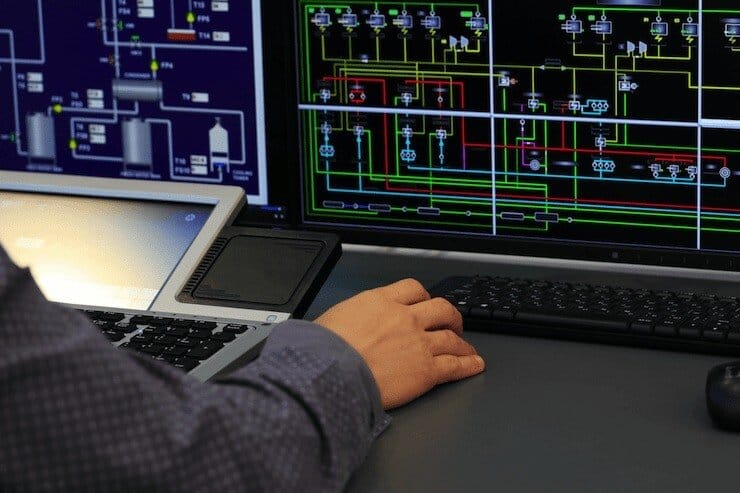
Modern commercial buildings rely on building management system software that can orchestrate complex building operations with precision and intelligence. Today’s software has moved way beyond simple scheduling programs to become full blown operational command centers that use artificial intelligence, machine learning and advanced analytics. Building management system software is the digital brain that processes thousands of data points every second, making split second decisions on energy consumption, occupant comfort and system reliability. These platforms are the culmination of decades of technological advancement in building automation and control systems. The move from proprietary, closed loop systems to open, interoperable software platforms has changed the game. Modern software provides unprecedented flexibility, scalability and integration that allows facility managers to respond to changing operational requirements and emerging technologies. Understanding BMS software architecture, functionality and implementation strategy is key for professionals managing complex commercial and industrial facilities in today’s competitive world. Software Architecture and Core Components Platform Architecture Design Modern BMS software utilizes distributed architecture models that distribute processing capabilities across multiple nodes while maintaining centralized oversight and control. This approach enhances system reliability by eliminating single points of failure while providing the scalability needed for large, complex facilities. Database management systems serve as the foundation for data storage, trending, and historical analysis. Contemporary platforms utilize both relational and time-series databases to optimize performance for different data types and access patterns. Web-based interfaces have largely replaced traditional thick-client applications, providing universal access through standard web browsers while reducing IT overhead and simplifying system administration. These interfaces support responsive design principles that adapt to various screen sizes and devices. Application programming interfaces (APIs) enable integration with third-party systems and custom applications, extending BMS capabilities beyond traditional building automation functions. RESTful APIs have become the standard for modern integrations due to their simplicity and widespread support. Real-Time Processing Capabilities Event-driven processing engines handle alarm conditions, schedule executions, and automated responses with millisecond precision. These engines process multiple concurrent events while maintaining system stability and ensuring critical functions receive appropriate priority. Data acquisition engines continuously collect information from field devices, process sensor readings, and update control outputs based on programmed logic and operator commands. High-speed processing capabilities ensure responsive system operation even with thousands of connected devices. Communication drivers handle protocol translation and device communication, abstracting hardware complexities from higher-level application functions. These drivers support multiple simultaneous protocols and provide error handling and recovery capabilities. Trending and logging functions capture operational data for analysis, regulatory compliance, and performance optimization. Configurable data retention policies balance storage requirements with analytical needs while ensuring critical information remains accessible. Advanced Software Features and Functionality Intelligent Control Algorithms Predictive control algorithms represent the cutting edge of building management system software capabilities. These algorithms utilize historical data, weather forecasts, and occupancy predictions to optimize building operations proactively rather than reactively. Adaptive control strategies automatically adjust control parameters based on system performance and changing conditions. These algorithms learn from operational experience and continuously refine control strategies to improve efficiency and performance. Model predictive control (MPC) techniques enable optimization across multiple variables and constraints simultaneously. These advanced algorithms consider equipment limitations, energy costs, and comfort requirements to determine optimal control strategies for complex scenarios. Fuzzy logic implementations handle situations where precise mathematical models are impractical or impossible. These algorithms enable effective control of complex systems with non-linear characteristics or uncertain parameters. Data Analytics and Reporting Advanced analytics engines process operational data to identify trends, anomalies, and optimization opportunities that may not be apparent through traditional monitoring approaches. These engines utilize statistical analysis and machine learning techniques to extract actionable insights from large datasets. Energy analytics capabilities provide detailed insights into consumption patterns, efficiency metrics, and cost allocation across different building systems and operational areas. These insights support data-driven decision-making and energy management strategies. Fault detection and diagnostics (FDD) algorithms continuously monitor system performance and automatically identify equipment problems or inefficient operation. These capabilities reduce troubleshooting time and enable proactive maintenance strategies. Custom reporting tools enable facility managers to create tailored reports that address specific operational requirements, regulatory compliance needs, or performance tracking objectives. Automated report generation and distribution reduce administrative overhead while ensuring stakeholders receive timely information. Building Management System Installation Considerations Software Deployment Strategies Building management system installation involving software components requires careful planning to ensure optimal performance and reliability. Server infrastructure sizing must account for current requirements and future expansion needs while providing adequate redundancy and backup capabilities. Network infrastructure assessment ensures adequate bandwidth and reliability for software communication requirements. Modern BMS software generates significant network traffic, particularly when supporting real-time graphics and video integration. Virtualization strategies enable efficient resource utilization and simplified disaster recovery procedures. Virtual server environments provide flexibility for testing, staging, and production deployments while reducing hardware requirements. Cloud deployment options offer scalability and reduced IT overhead but require careful consideration of security, latency, and connectivity requirements. Hybrid deployments that combine on-premises and cloud capabilities often provide optimal balance of performance and flexibility. Integration Planning Legacy system integration presents unique challenges that require specialized software tools and expertise. Modern BMS software platforms provide gateway capabilities that enable communication with older systems while providing upgrade paths to current technologies. Third-party system integration planning ensures comprehensive building control capabilities while avoiding vendor lock-in situations. Open protocol support and standardized interfaces facilitate integration with specialized equipment and systems. Data migration strategies ensure historical information remains accessible during system upgrades or replacements. Proper data migration preserves valuable operational insights while ensuring continuity of analytical capabilities. Testing and commissioning procedures verify that software installations meet performance requirements and operational expectations. Comprehensive testing validates control sequences, integration functions, and user interface capabilities before system acceptance. Building Management System Maintenance and Support Preventive Maintenance Strategies Building management system maintenance for software components involves regular updates, database optimization, and performance monitoring to ensure continued reliability and optimal performance. Software maintenance schedules should align with facility operational requirements to minimize disruption. Database maintenance procedures include regular backup verification, index optimization, and data purging based on retention policies. Proper